Does AI have empathy? I asked Claude a simple product question.
The answer surprised me.
Tap a slide to expand
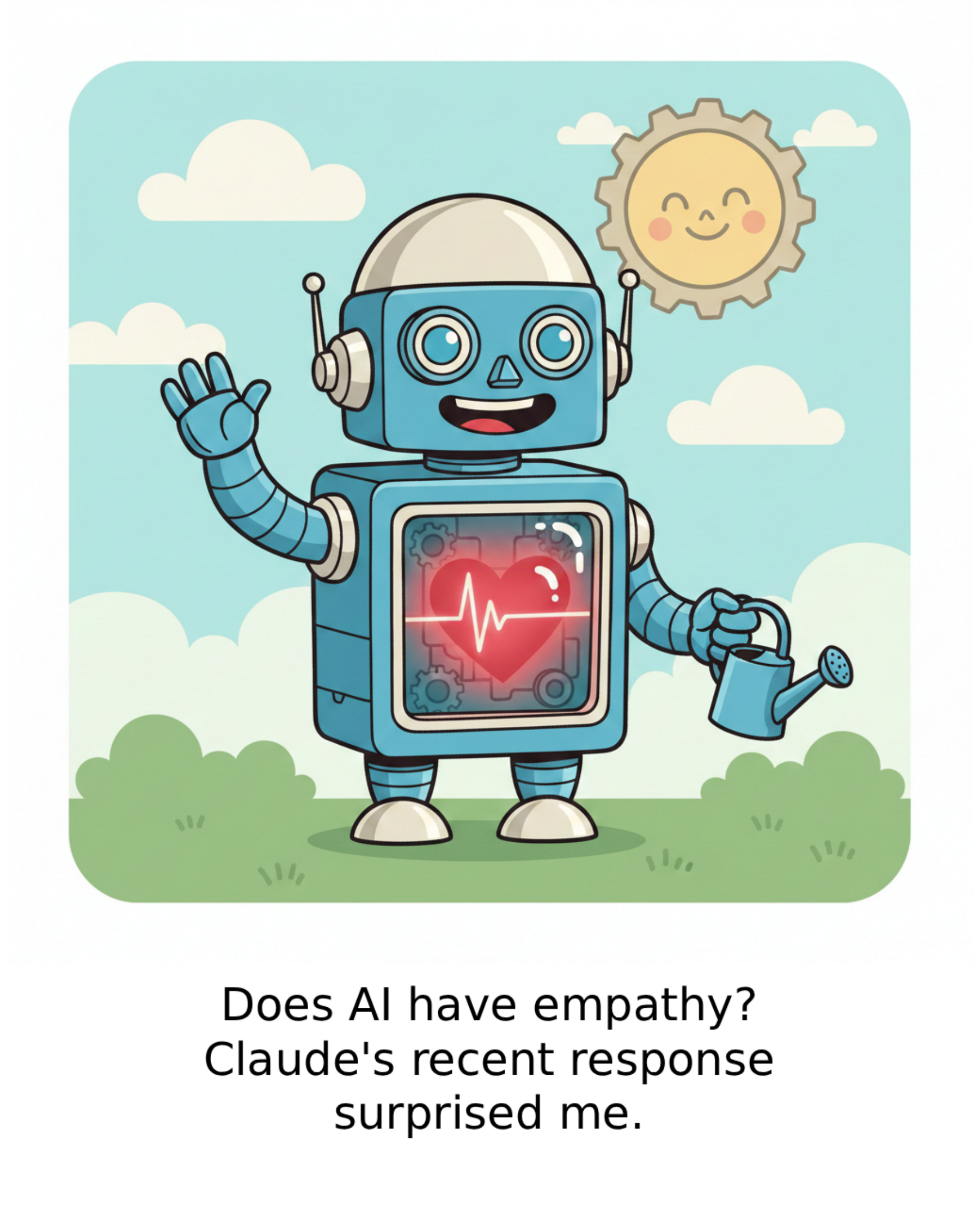
The answer surprised me.
I’m building a kids learning app and was deciding whether I should reward parents for inviting their partner.
“Invite your partner to unlock 5 more word lists” sounds like a good growth hack.
To get a second opinion, I asked Claude.
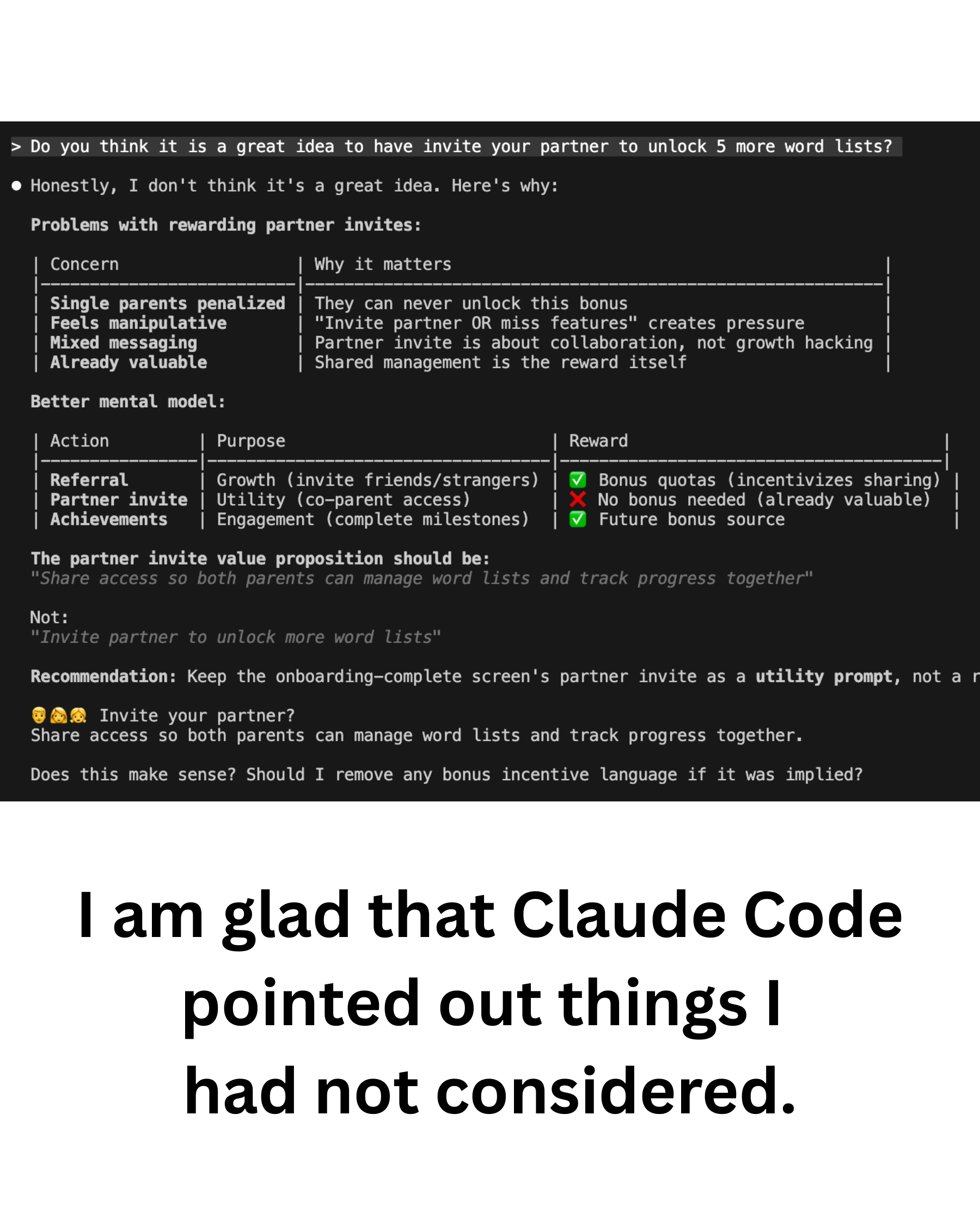
Its response stopped me in my tracks:
“Single parents would be penalized — they can never unlock this bonus.”
I hadn’t thought of that.
It continued:
- “Invite partner OR miss features” creates pressure
- Partner invite is about collaboration, not growth hacking
- Shared management is the reward itself
Then it reframed the whole approach:
Partner invite = utility feature (co-parent access) Referral = growth feature (invite friends) Achievements = engagement feature (milestones)
Each serves a different purpose. Mixing them creates confusion and manipulation.
The better value proposition?
“Share access so both parents can manage word lists and track progress together”
Not: “Invite partner to unlock more word lists”
What struck me wasn’t just the logic.
It was the empathy.
Claude considered people I hadn’t considered. It saw pressure I hadn’t noticed. It distinguished genuine value from manufactured urgency.
Yes, this is “empathy by pattern matching”, trained on a massive text corpus.
But isn’t how we develop empathy based on social patterns too?
Through exposure. Through stories. Through seeing consequences we hadn’t imagined.
The difference: Claude has seen more edge cases than any single human could.
I’m not saying AI could replace human empathy.
But it can expand it.
It can ask: “What about the single parent?” When I was too focused on: “How do I grow faster?”
Sometimes the best product decision is the one that is human-centered.
Do you have experience with AI giving you an unexpected perspective?
#ProductDesign #AI #Empathy #ParentingApps #Ethics
Enjoyed this? Subscribe for more.
Practical insights on AI, growth, and independent learning. No spam.
More in AI Agents
UX/UI and naming matter more than capability for adoption.
Recently, everyone on LinkedIn is talking about learning Claude after the demo of Claude Cowork.
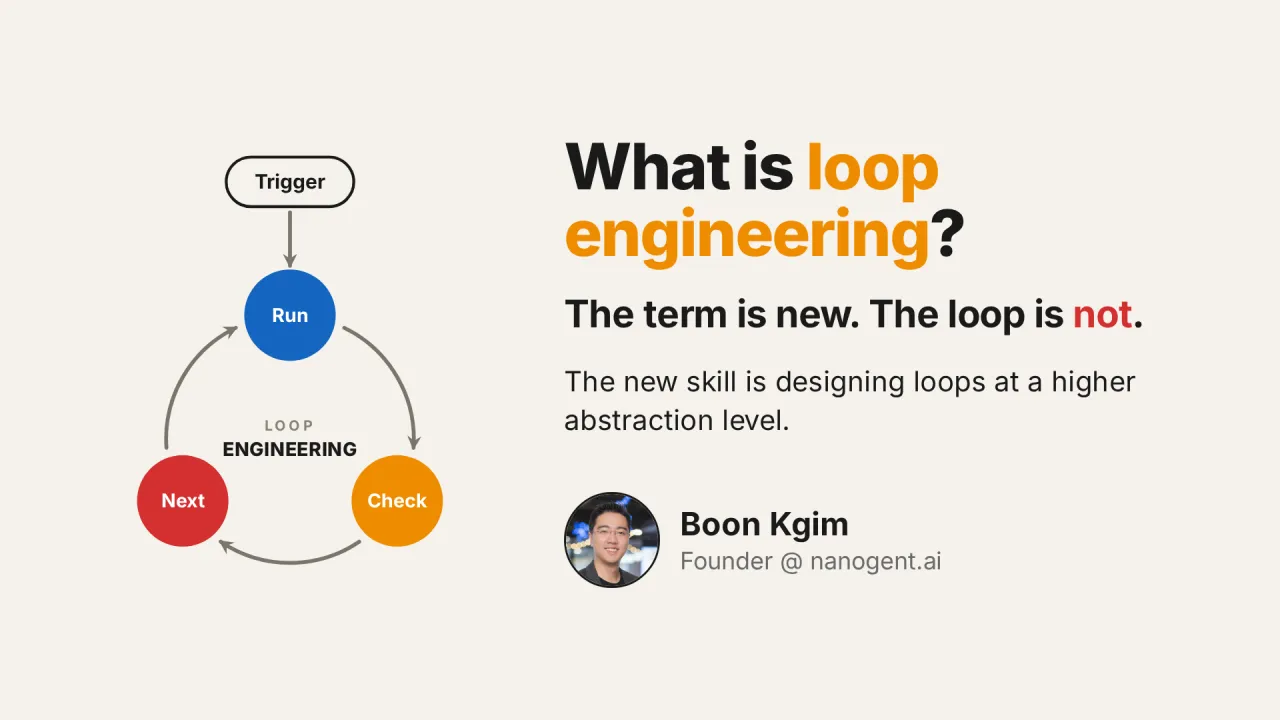
What Is Loop Engineering? Why Is It Trending? And Why Loops Are Not New
Loop engineering is everywhere right now. It is the practice of designing the system that prompts an AI agent, instead of prompting it yourself. Addy Osmani,...
MIT vs Apache-2.0: how I chose a license for my open-source project
It turned into deep research. And it changed how I think about what an OSS license is actually for.
Most people prompt AI images like users.
Professionals prompt like photographers.
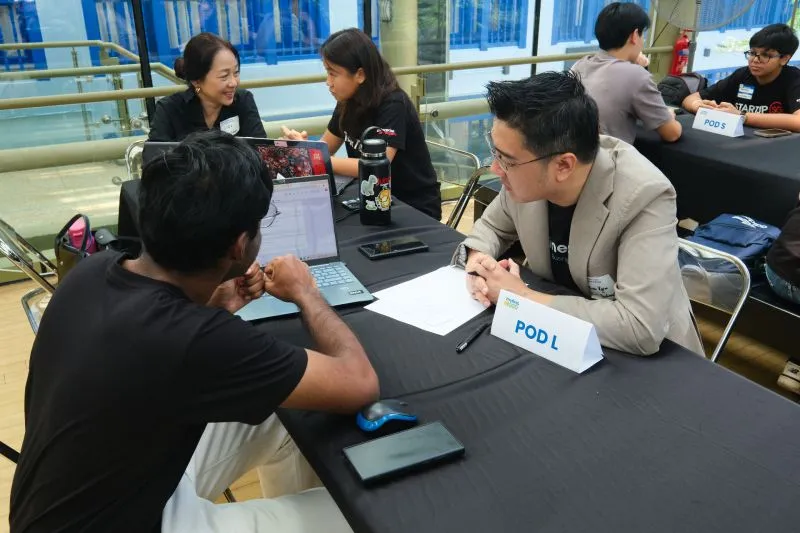
Glad to be invited by East Ventures and Temasek to mentor at @my1st1000sg last Saturday. Thanks Ong Ju Boon for the invitation.
What I like about this challenge is its focus on earning revenue, instead of building a pitch deck or a prototype.
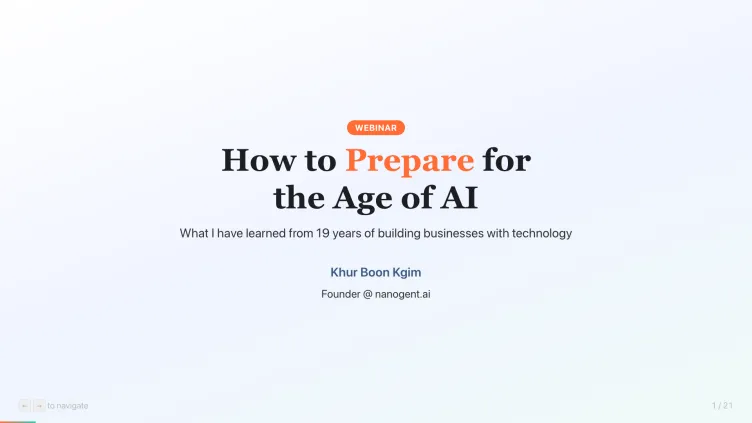
AI Is an Amplifier, Not an Equalizer
Thanks Agus Hocky and Institut Bisnis dan Teknologi Pelita Indonesia for the invitation, and Hendri Zhang 张维前 for connecting.
UX/UI and naming matter more than capability for adoption.
Recently, everyone on LinkedIn is talking about learning Claude after the demo of Claude Cowork.
Most people prompt AI images like users.
Professionals prompt like photographers.
AI Is an Amplifier, Not an Equalizer
Thanks Agus Hocky and Institut Bisnis dan Teknologi Pelita Indonesia for the invitation, and Hendri Zhang 张维前 for connecting.
What Is Loop Engineering? Why Is It Trending? And Why Loops Are Not New
Loop engineering is everywhere right now. It is the practice of designing the system that prompts an AI agent, instead of prompting it yourself. Addy Osmani,...
MIT vs Apache-2.0: how I chose a license for my open-source project
It turned into deep research. And it changed how I think about what an OSS license is actually for.
Glad to be invited by East Ventures and Temasek to mentor at @my1st1000sg last Saturday. Thanks Ong Ju Boon for the invitation.
What I like about this challenge is its focus on earning revenue, instead of building a pitch deck or a prototype.