We often think of AI agents as digital employees.
When companies treat agents as “digital employees,” they tend to make two critical mistakes. First, they manage agents like individual workers rather than as...
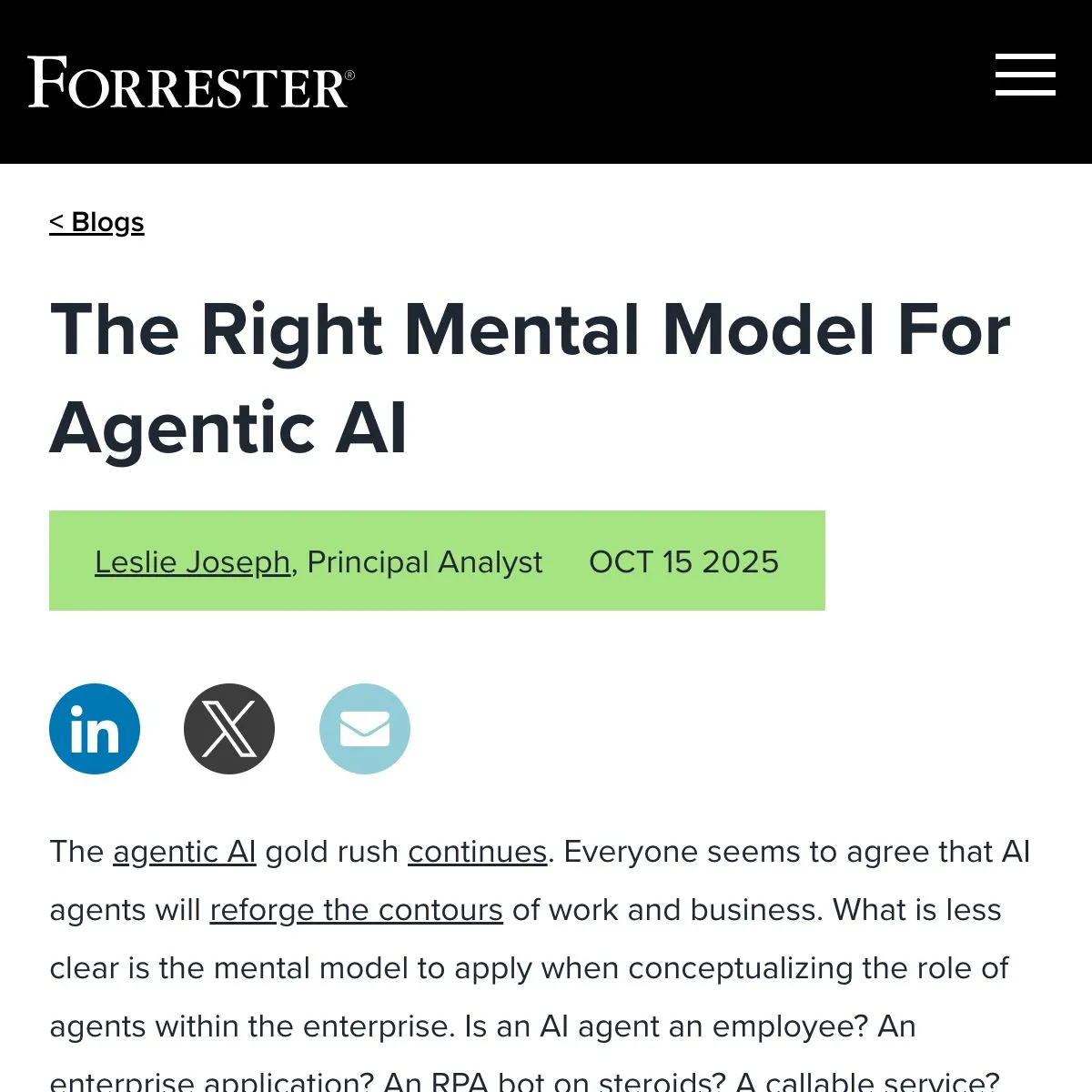
When companies treat agents as “digital employees,” they tend to make two critical mistakes. First, they manage agents like individual workers rather than as a system of cognitive capabilities. Second, they miss the opportunity to redesign processes and instead try to “swap” humans with AI within the same outdated structures. This approach limits innovation and creates governance blind spots.
A more effective framing is to view each AI agent as both a skill and a product.
As a skill, an agent represents a specific cognitive capability—like summarizing legal cases or forecasting retail demand—that can be improved, reused, and extended across use cases.
As a product, it must sit on a solid foundation with governance, telemetry, and lifecycle management, so it scales safely and delivers long-term value.
This leads to a dual roadmap: one for developing new skills and another for building the foundational platform that supports them. Early efforts may focus on launching specific skills, but over time, success depends on strengthening the platform that enables those skills to grow.
Instead of hiring “digital workers,” enterprises should build a portfolio of reusable AI skills on strong foundations. This shift in mindset is key to unlocking real transformation from agentic AI.
(Source: https://lnkd.in/g4TMHAj2)
What are your thoughts on viewing AI agents as skills rather than digital employees?
How has your organization approached the implementation of AI?
Share your insights below!
—
I share practical tips about business, marketing and AI
🔔 Follow me to learn more!
♻️ Re-post this to help others!
🔖 Save this for future reference!
💬 DM me for collaboration!
Enjoyed this? Subscribe for more.
Practical insights on AI, growth, and independent learning. No spam.
More in AI Strategy
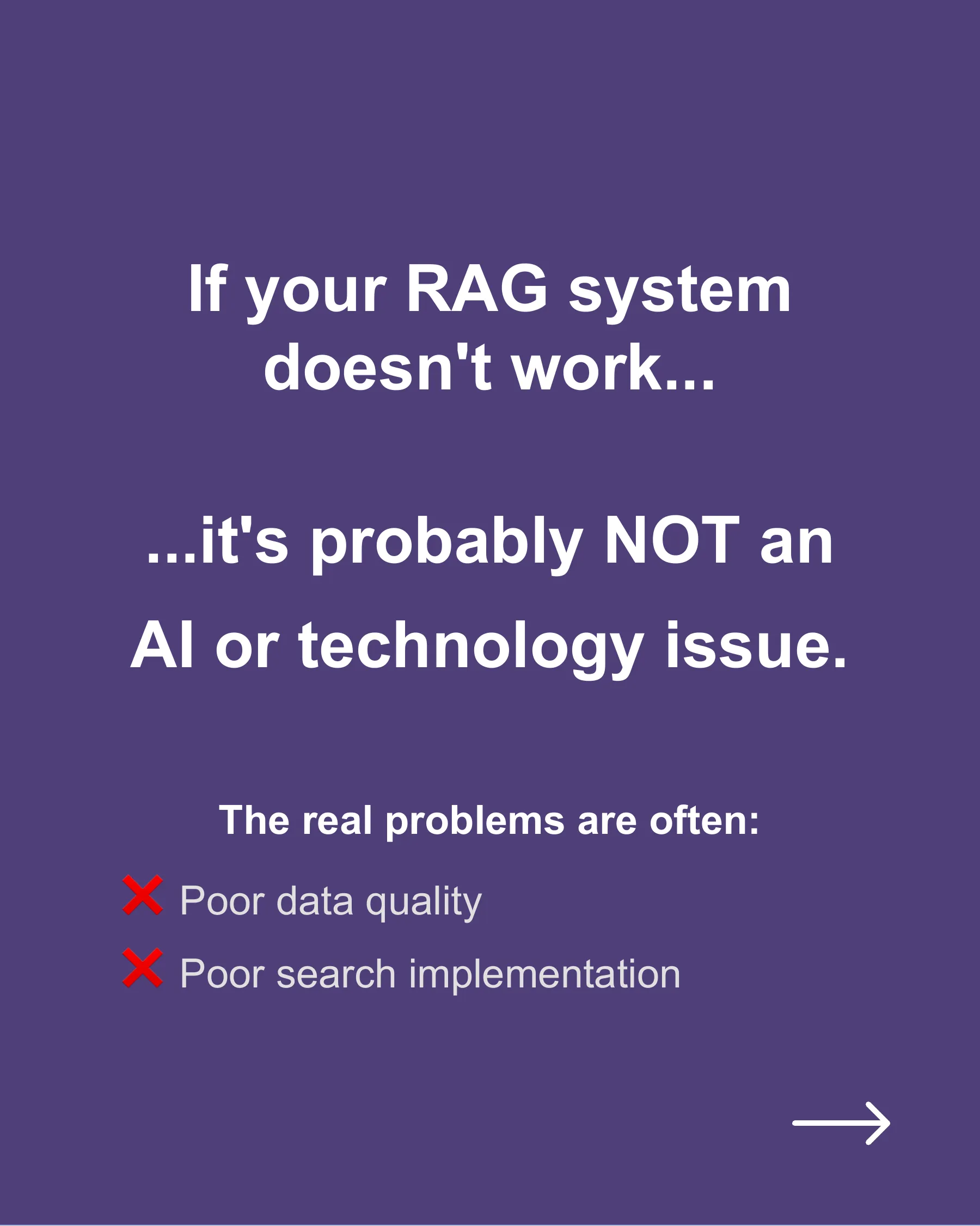
Your RAG System's Real Problem Isn't Hallucination
Two top common root causes are:
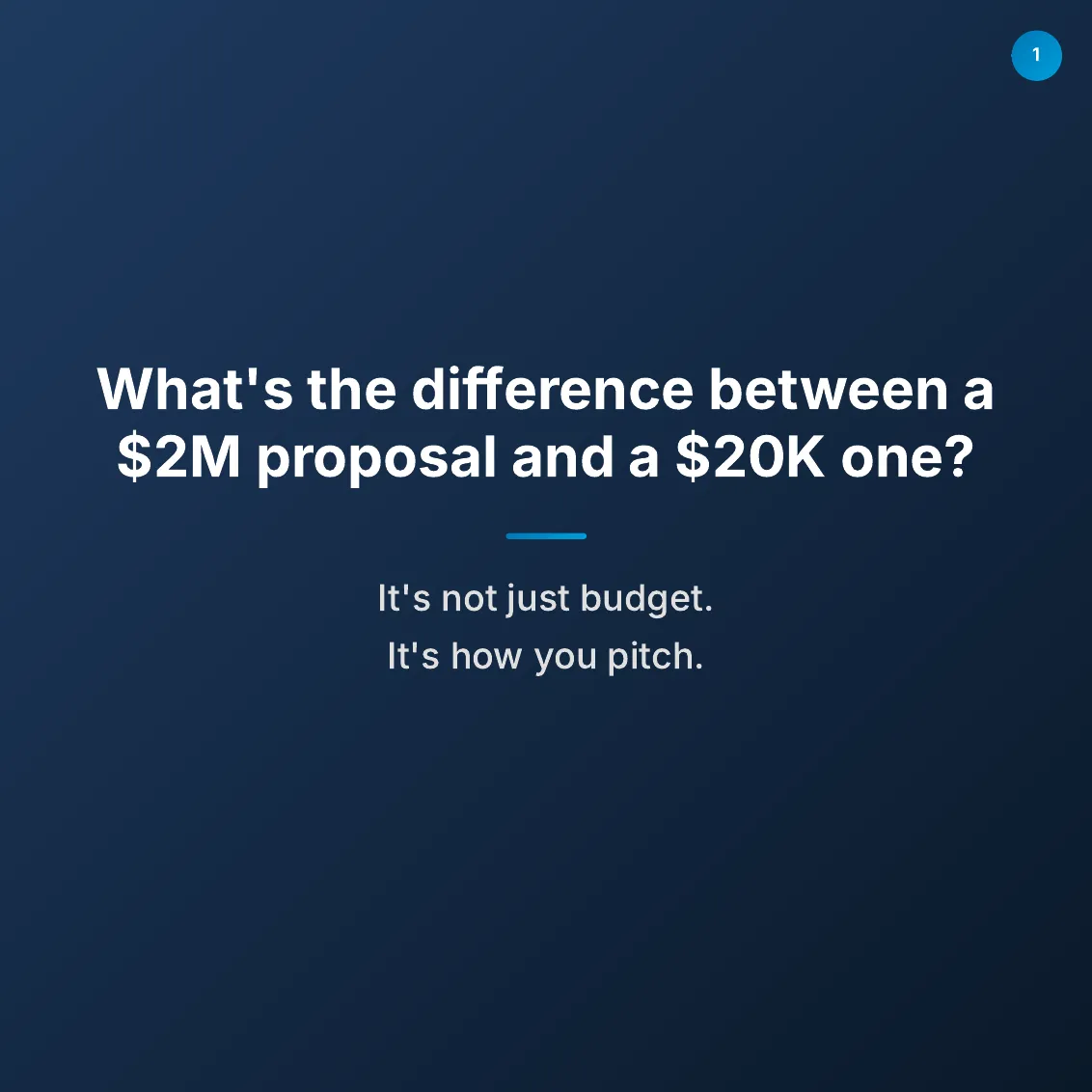
What is the difference between a proposal that can win $2m vs $20k deal?
$2M Proposal: Focuses on strategy. The "why" we should do this and the high level approach.
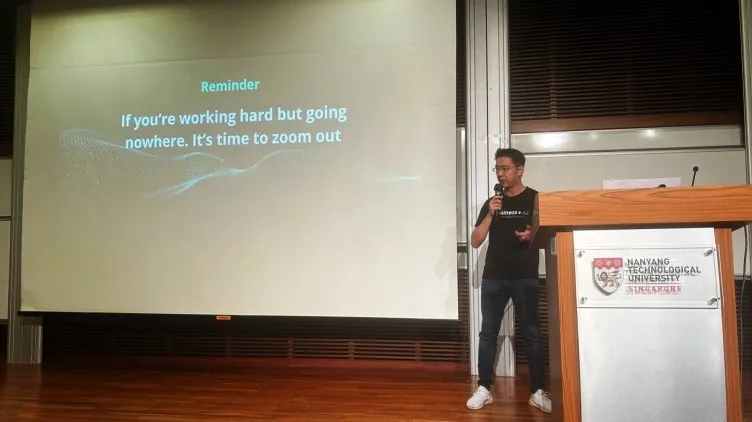
Three Stories of a Technopreneur
I have done many workshops and professional sharing sessions. This was the first time I shared personal stories.
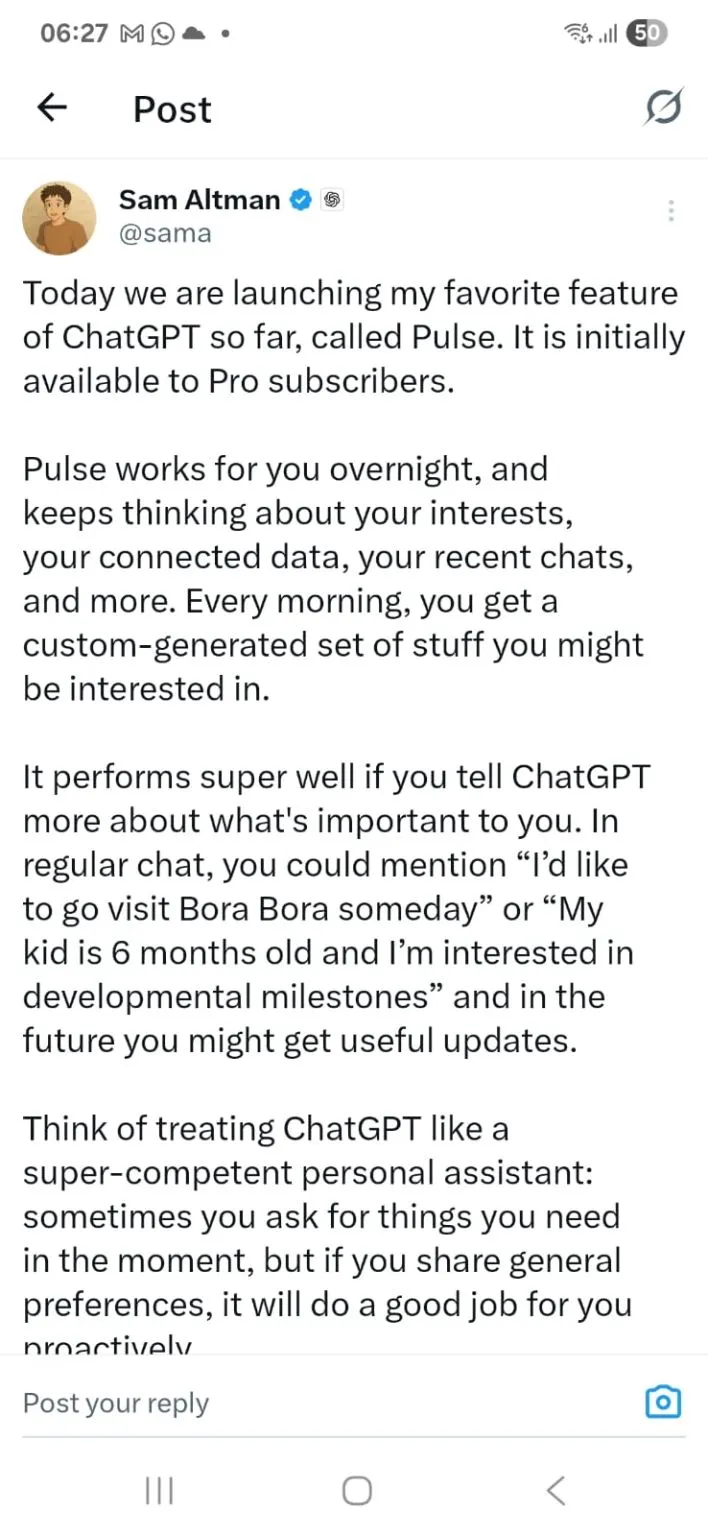
Sam Altman Announces ChatGPT Pulse
If this gains traction, OpenAI is no longer just an AI company. It’s evolving into a media and lifestyle company, shaping what we see and think about each da...

OpenAI’s Windsurf deal is off — and Windsurf’s CEO is going to Google
Anyone feel like we should use AI to create a drama and publish it on Netflix?
What Zoom and AI Note Taker Can Really Do
You're not alone — but you're missing out.
Your RAG System's Real Problem Isn't Hallucination
Two top common root causes are:
Sam Altman Announces ChatGPT Pulse
If this gains traction, OpenAI is no longer just an AI company. It’s evolving into a media and lifestyle company, shaping what we see and think about each da...
What is the difference between a proposal that can win $2m vs $20k deal?
$2M Proposal: Focuses on strategy. The "why" we should do this and the high level approach.
Three Stories of a Technopreneur
I have done many workshops and professional sharing sessions. This was the first time I shared personal stories.
OpenAI’s Windsurf deal is off — and Windsurf’s CEO is going to Google
Anyone feel like we should use AI to create a drama and publish it on Netflix?
What Zoom and AI Note Taker Can Really Do
You're not alone — but you're missing out.