Most startups' growth stalls because they pour users into a leaky bucket.
That is why you should look at AARRR not as a funnel but as loops.
Tap a slide to expand
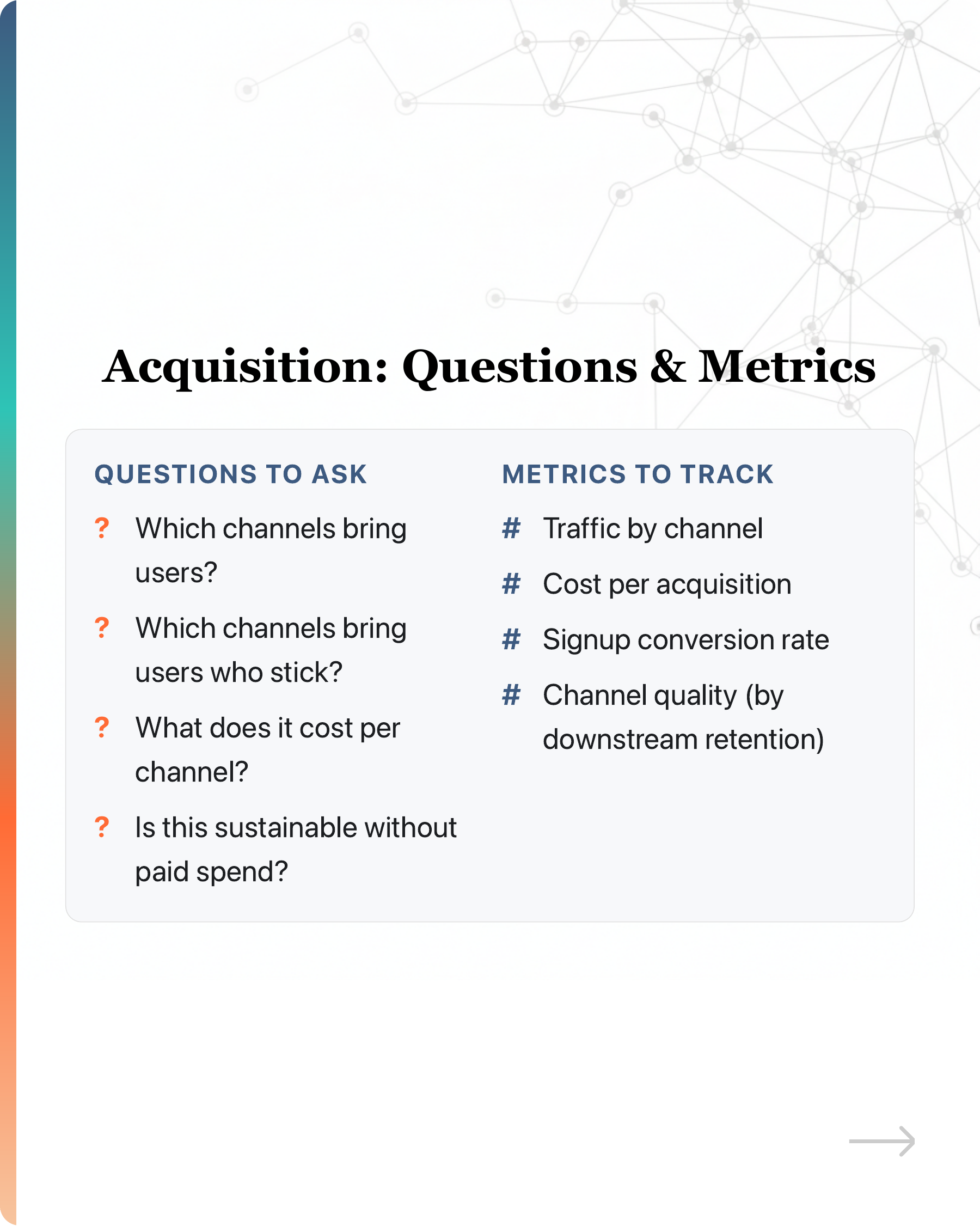
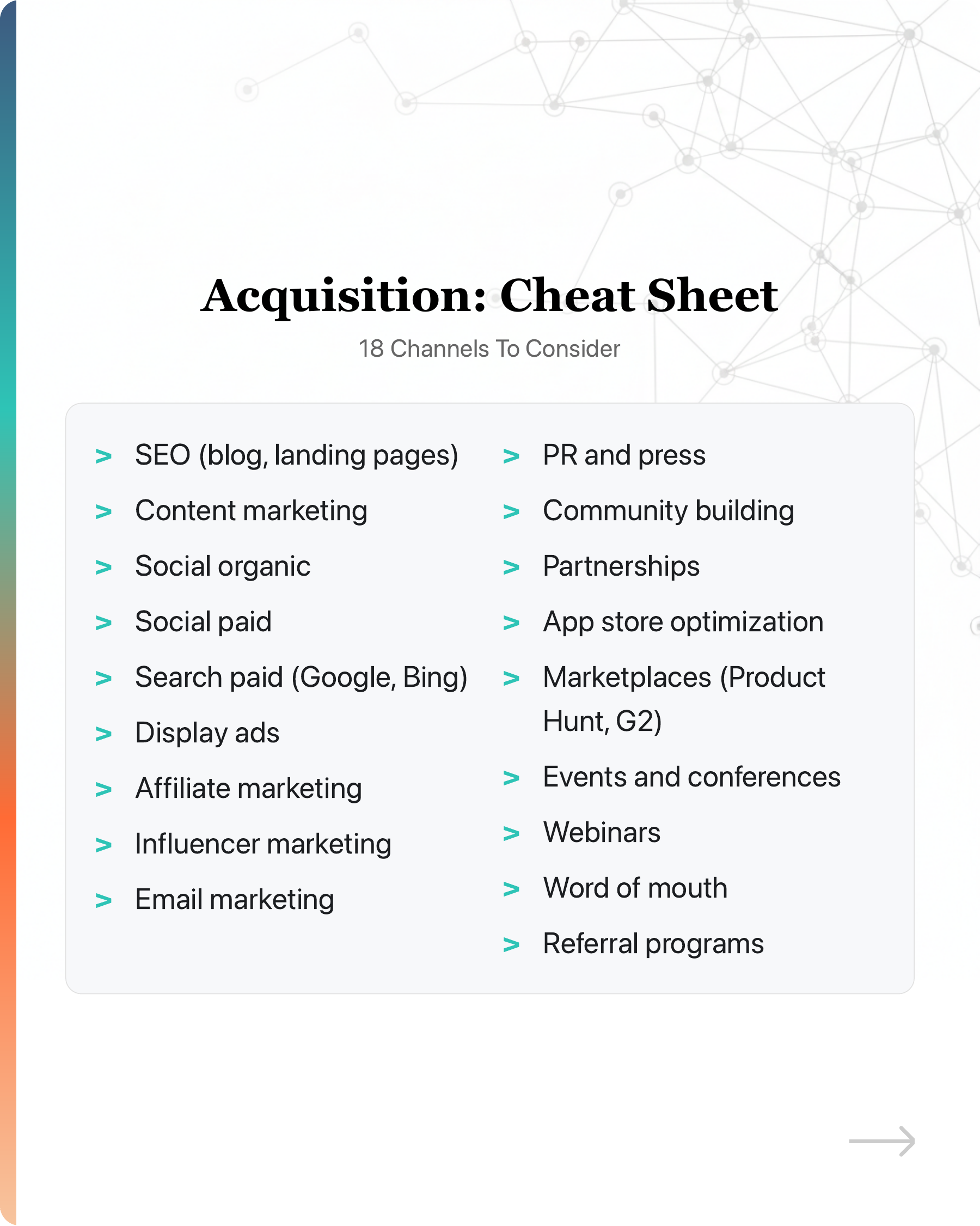
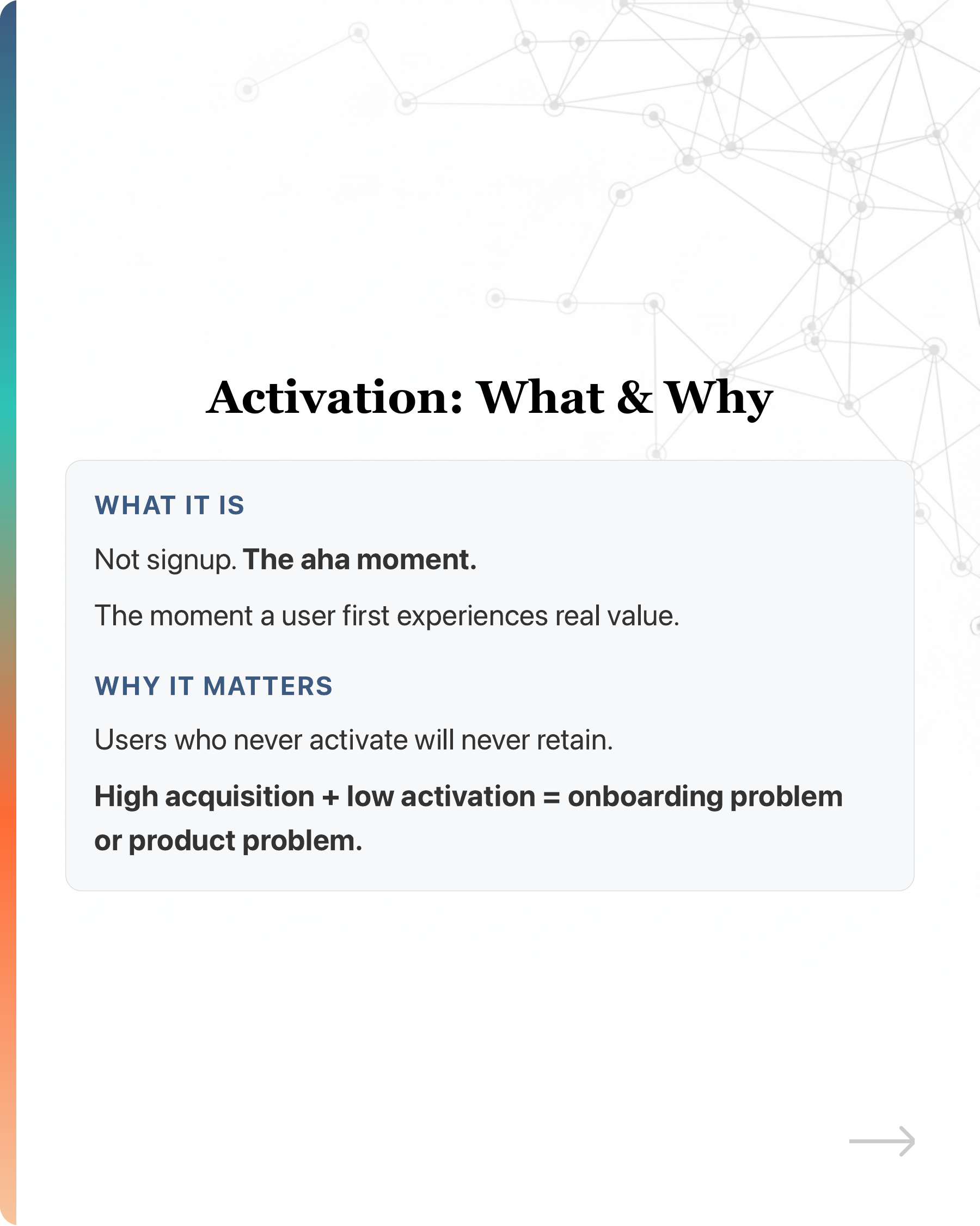
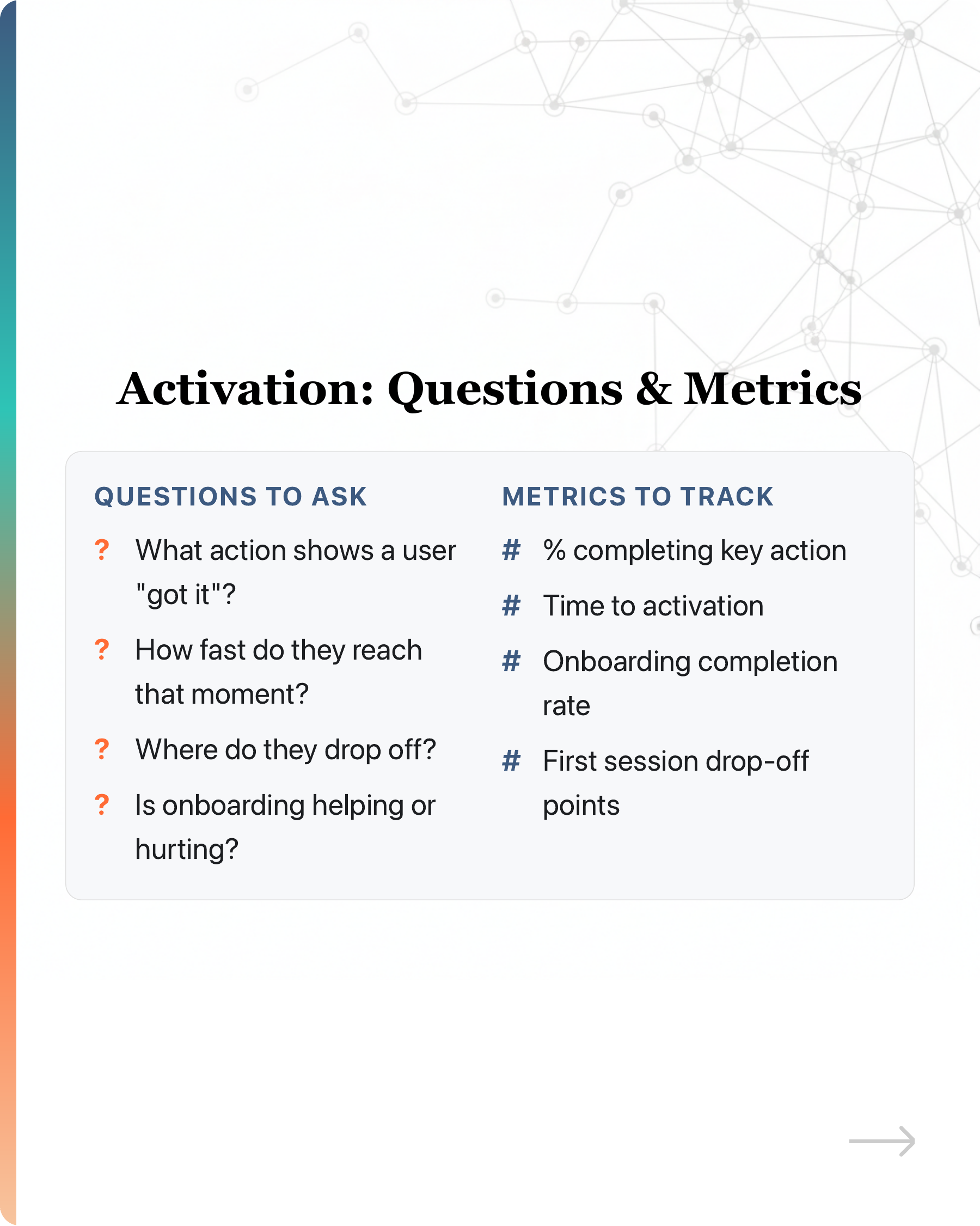
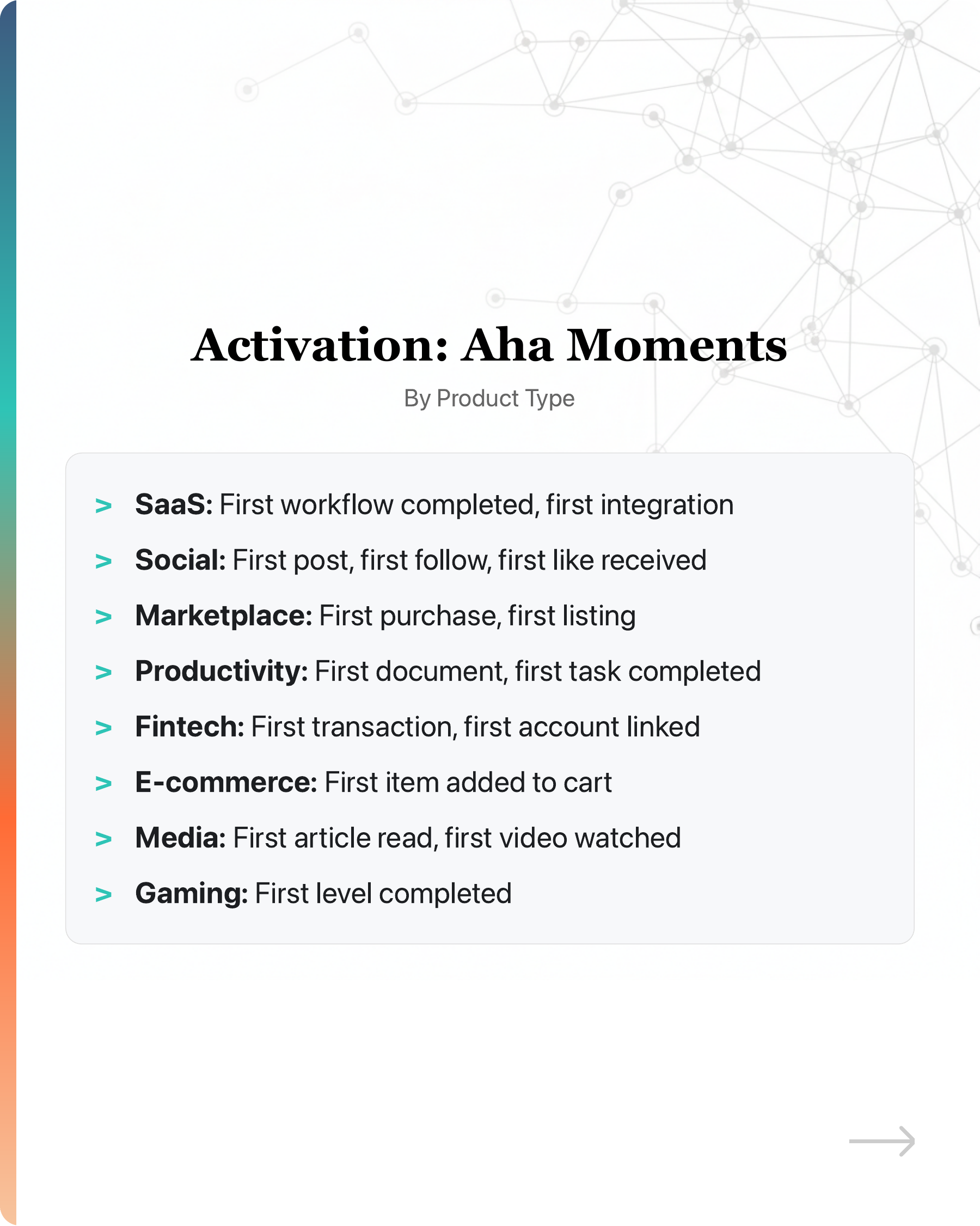
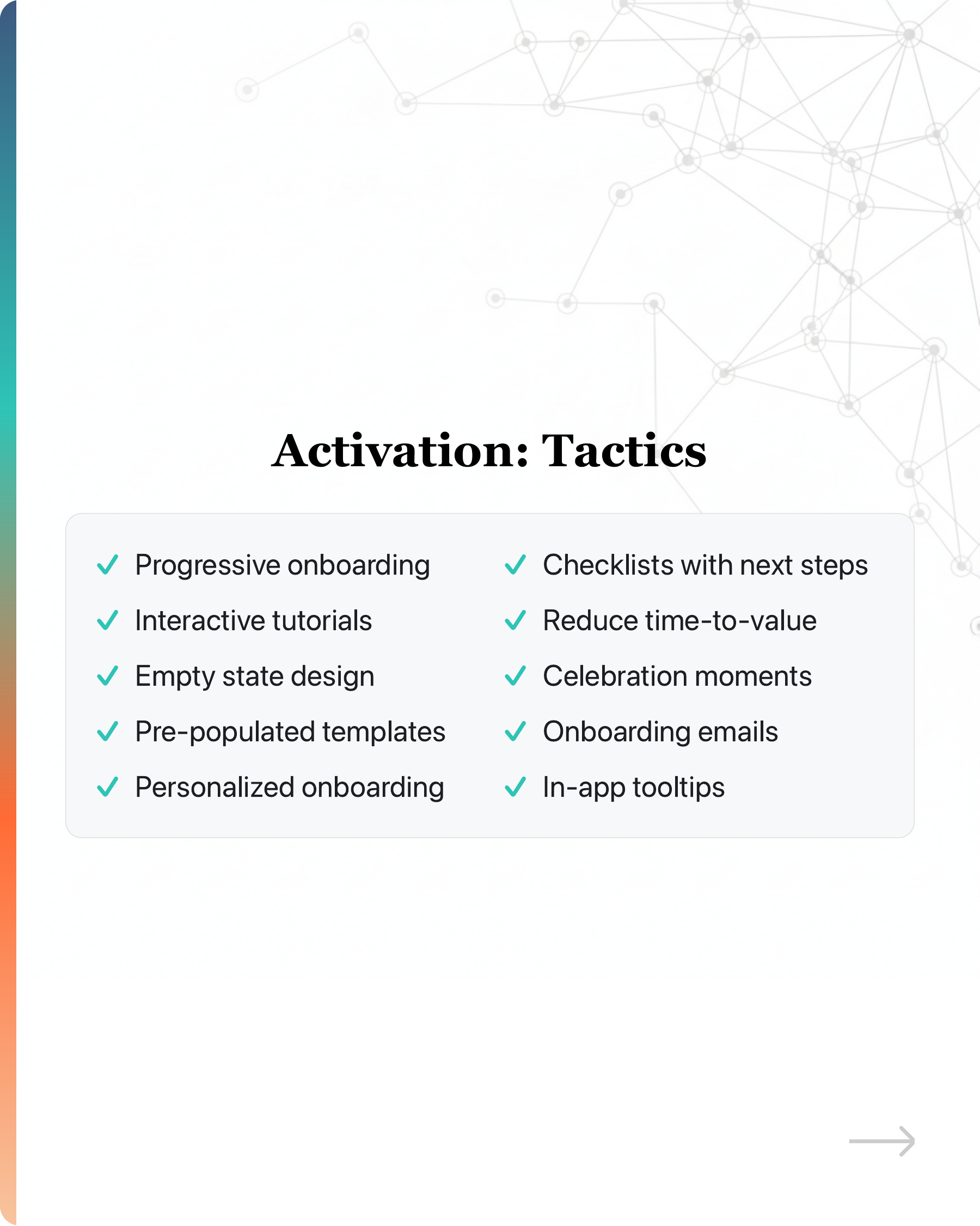
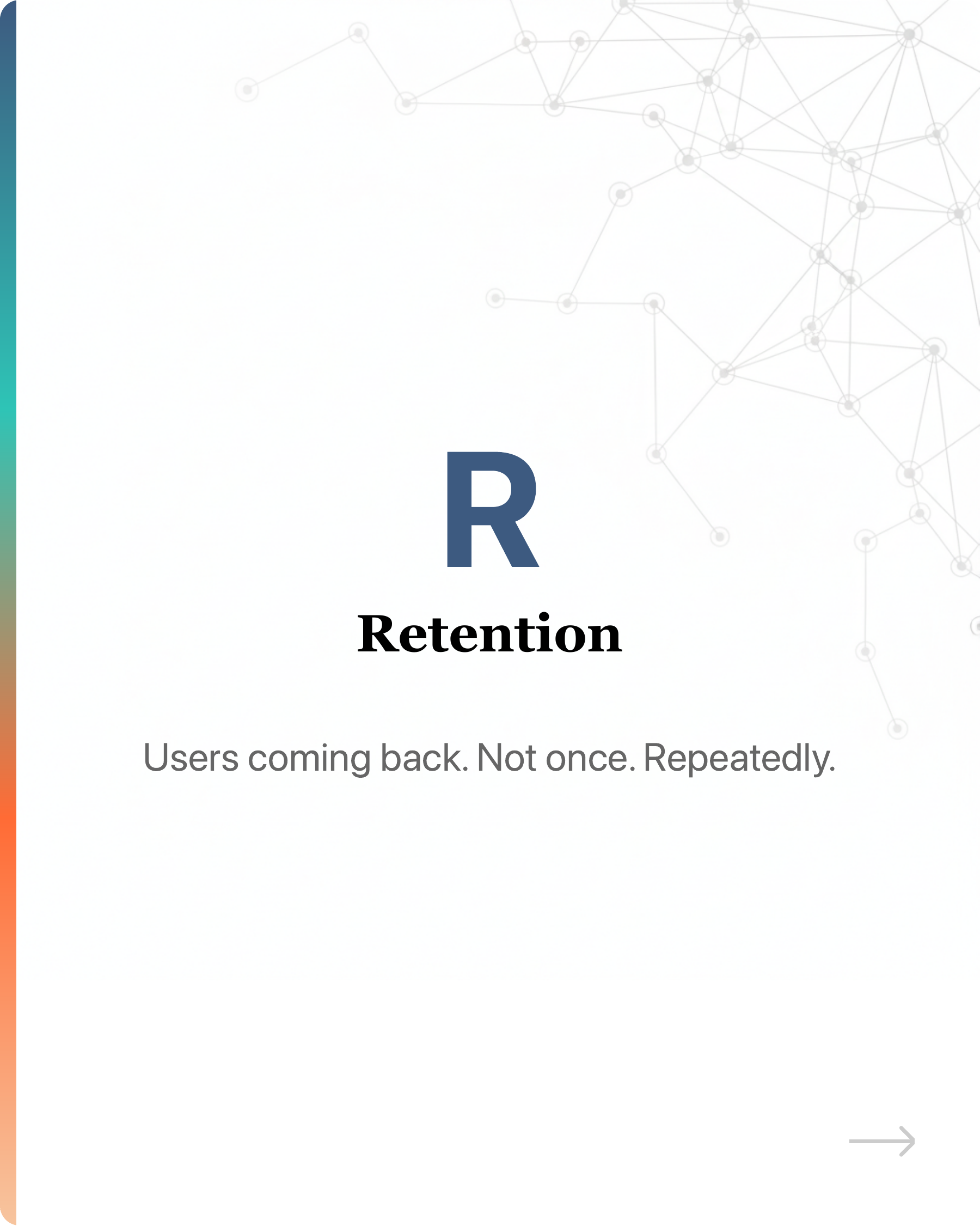
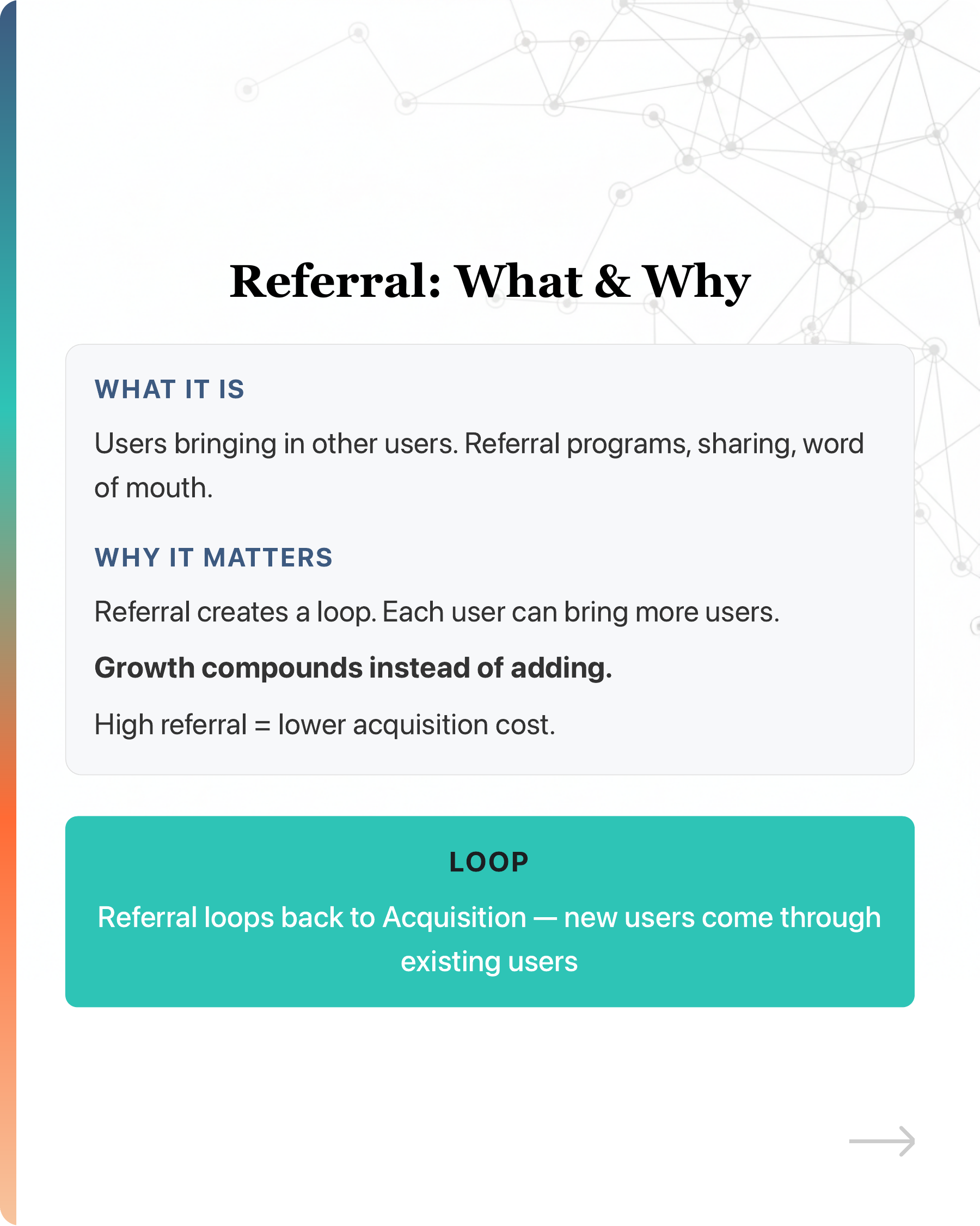
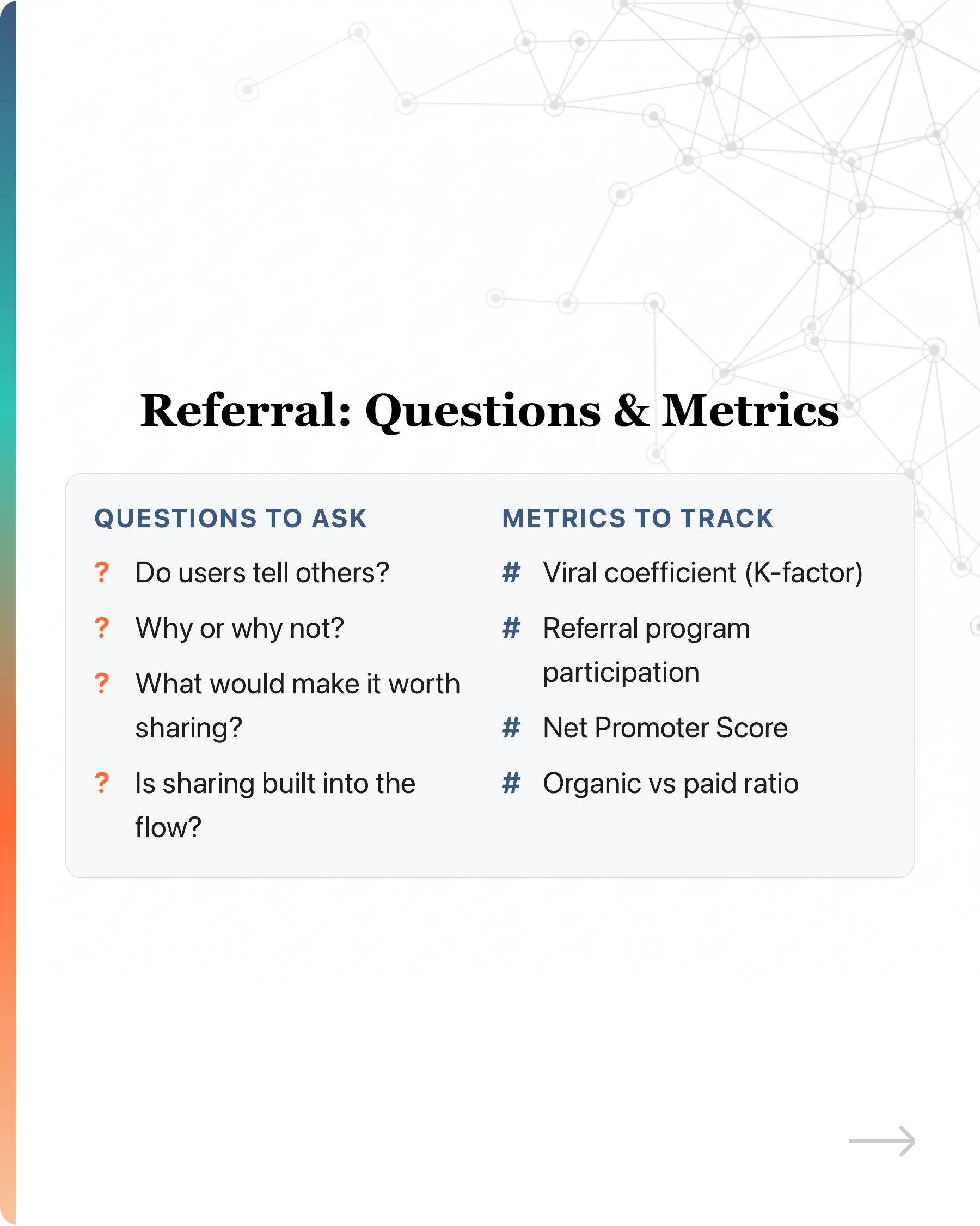
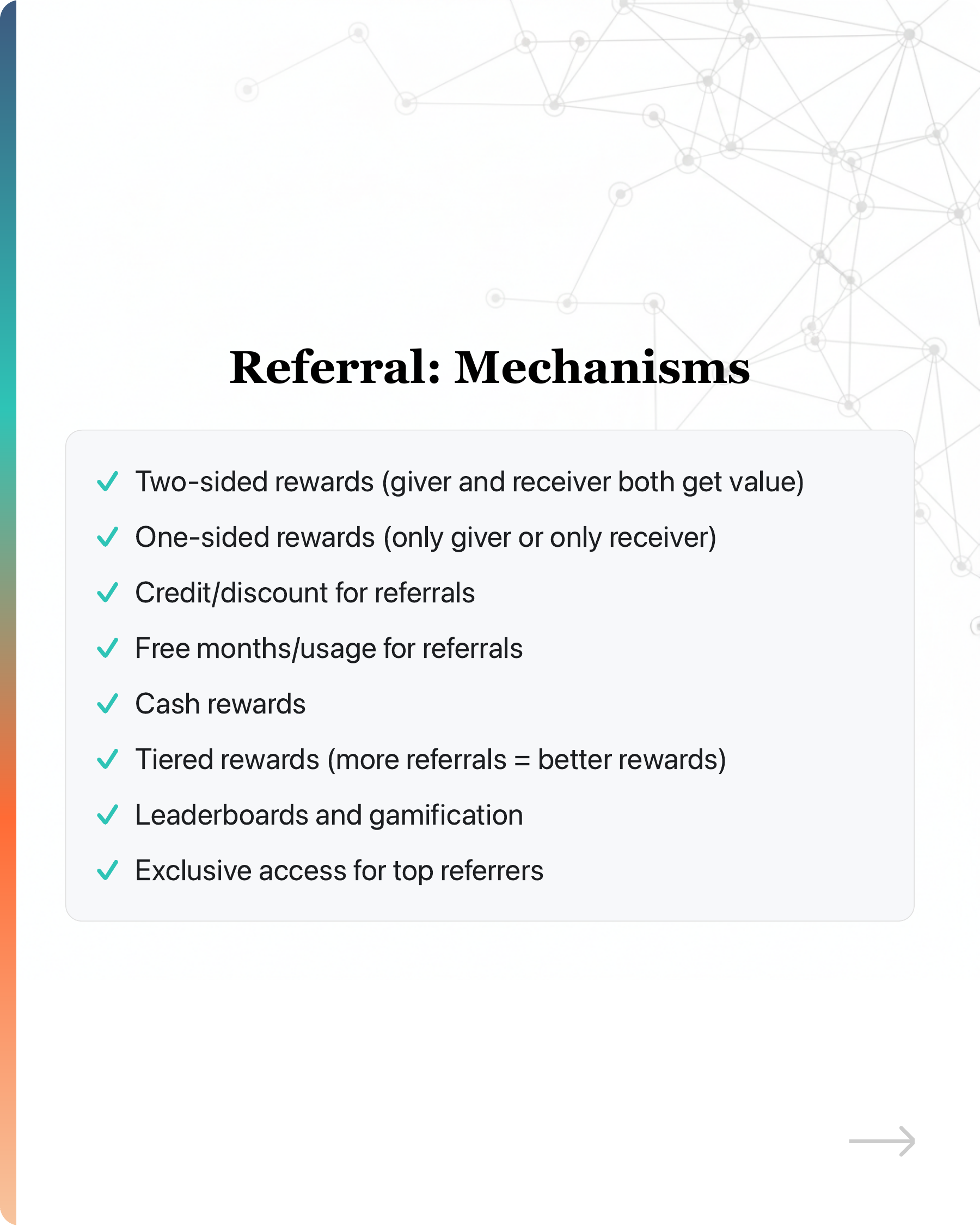
That is why you should look at AARRR not as a funnel but as loops.
AARRR is one of the most popular frameworks in product-led growth.
It’s also one of the most misunderstood.
Many draw it as a top-down funnel. It’s not. It’s loops.
Why does it matter?
When you see a top-down funnel, you optimize from the top down.
Funnel leads you to pour more users in at the top.
When growth stalls, you focus on pouring even more users.
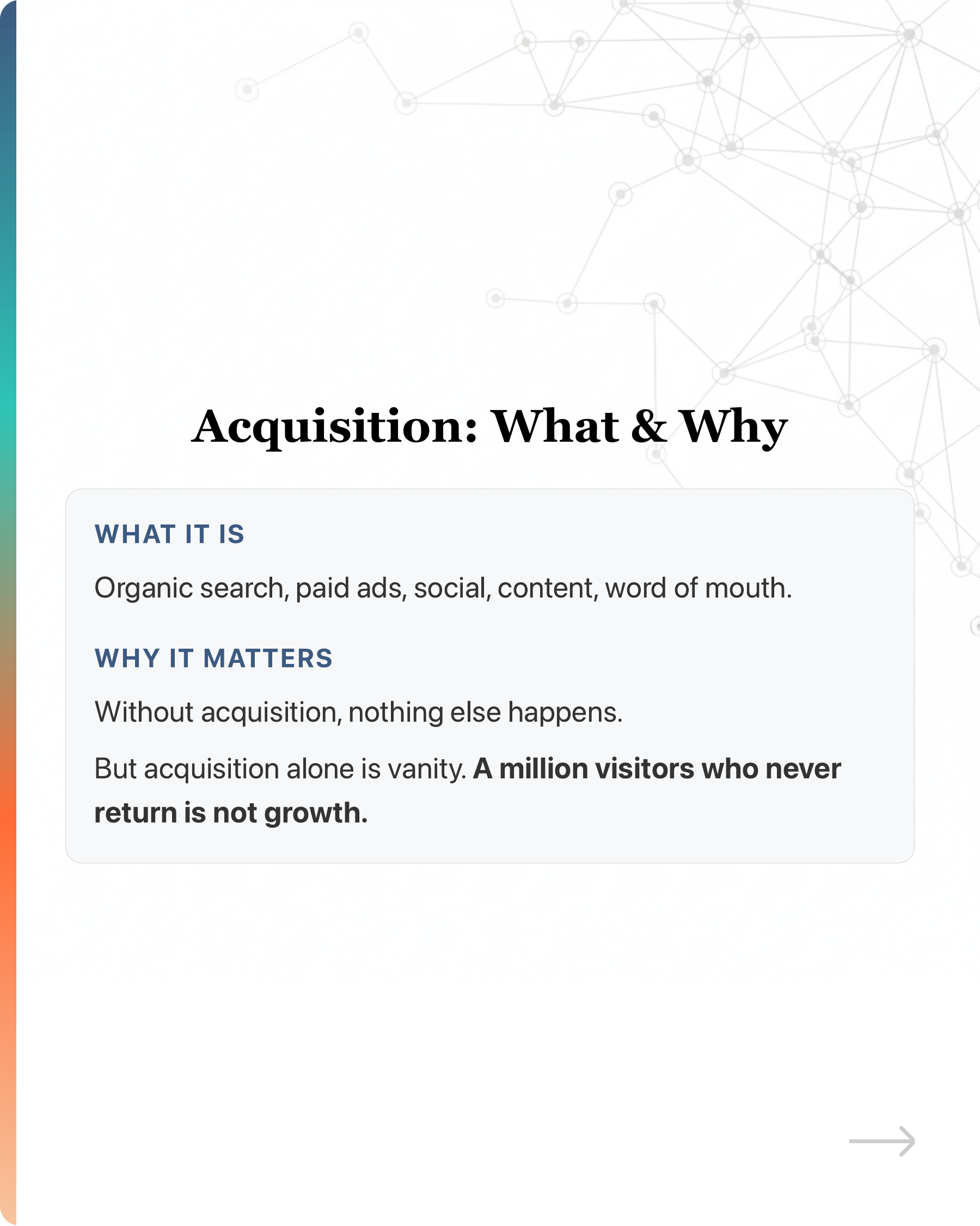
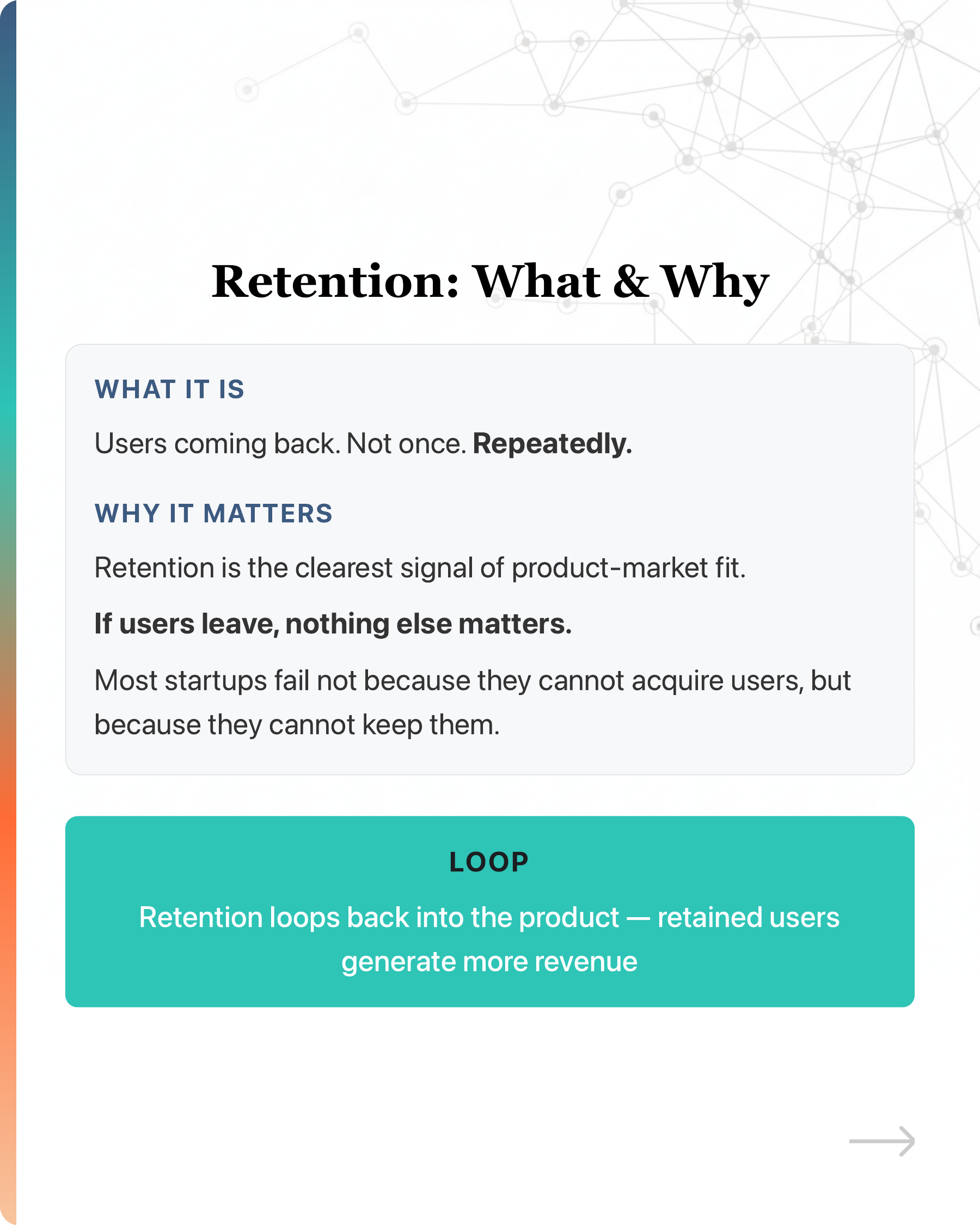
But acquisition without retention is a leaky bucket.
You pour users in. They go right out.
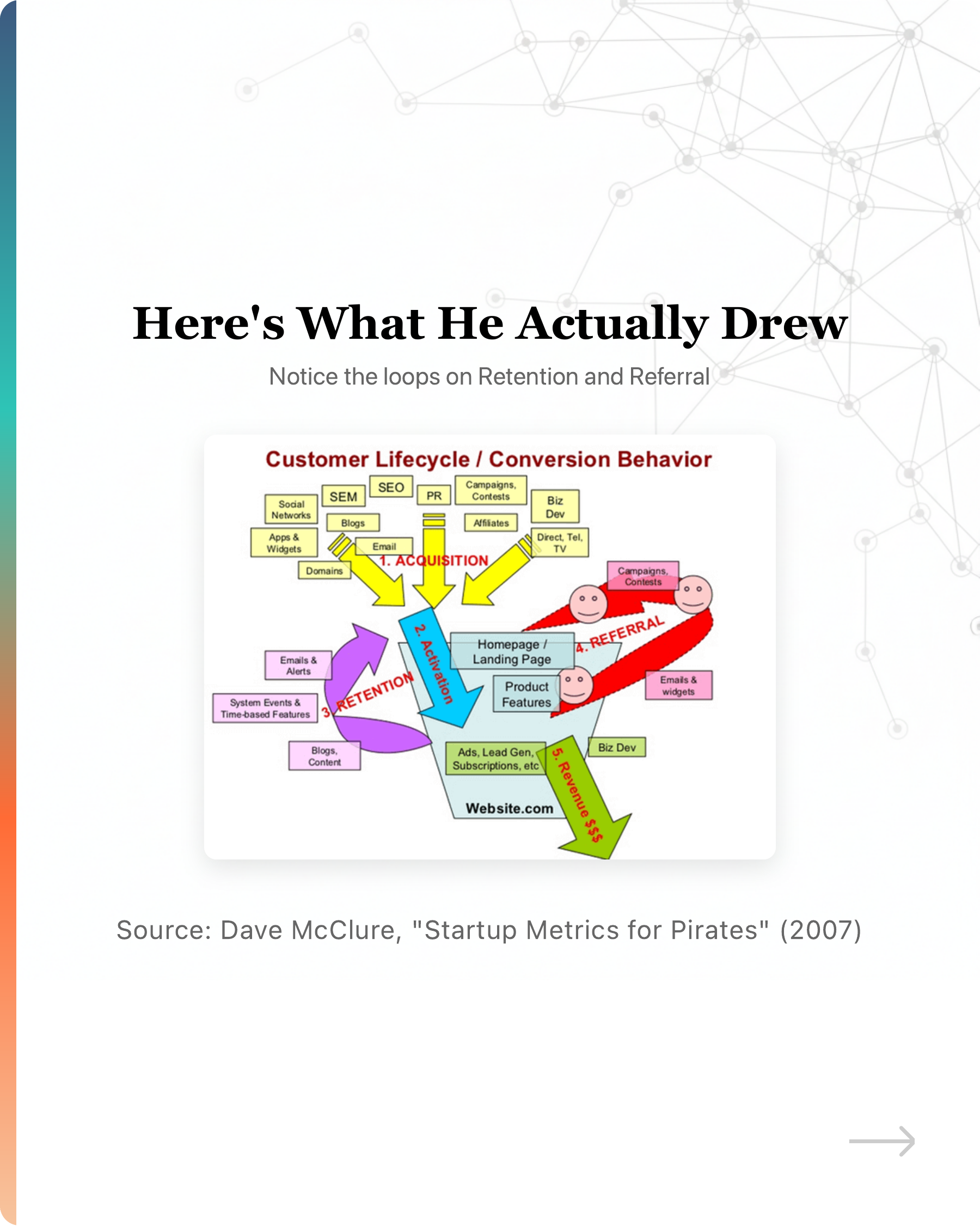
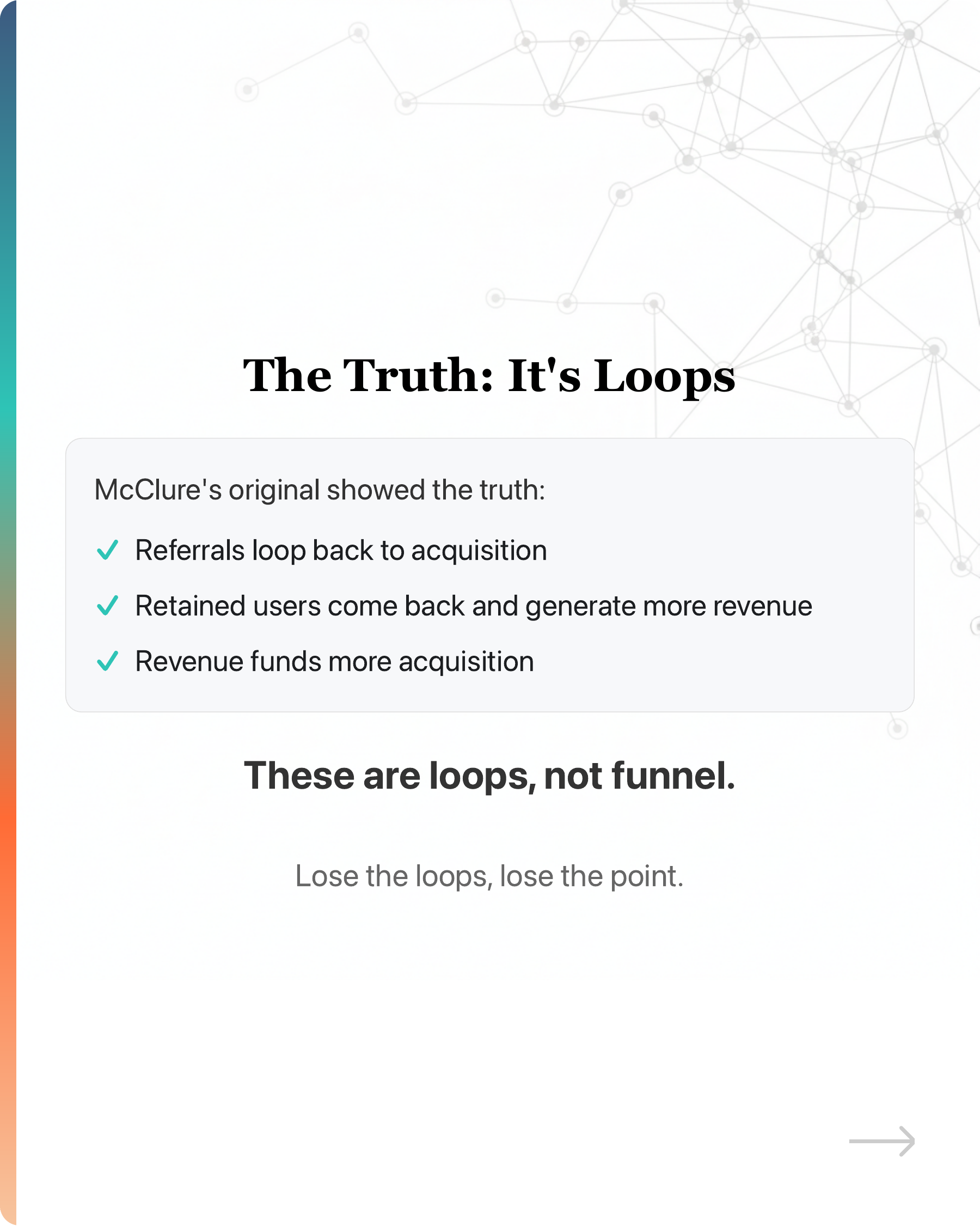
McClure’s original showed the truth:
-
Referrals loop back to acquisition.
-
Retained users come back and generate more revenue.
-
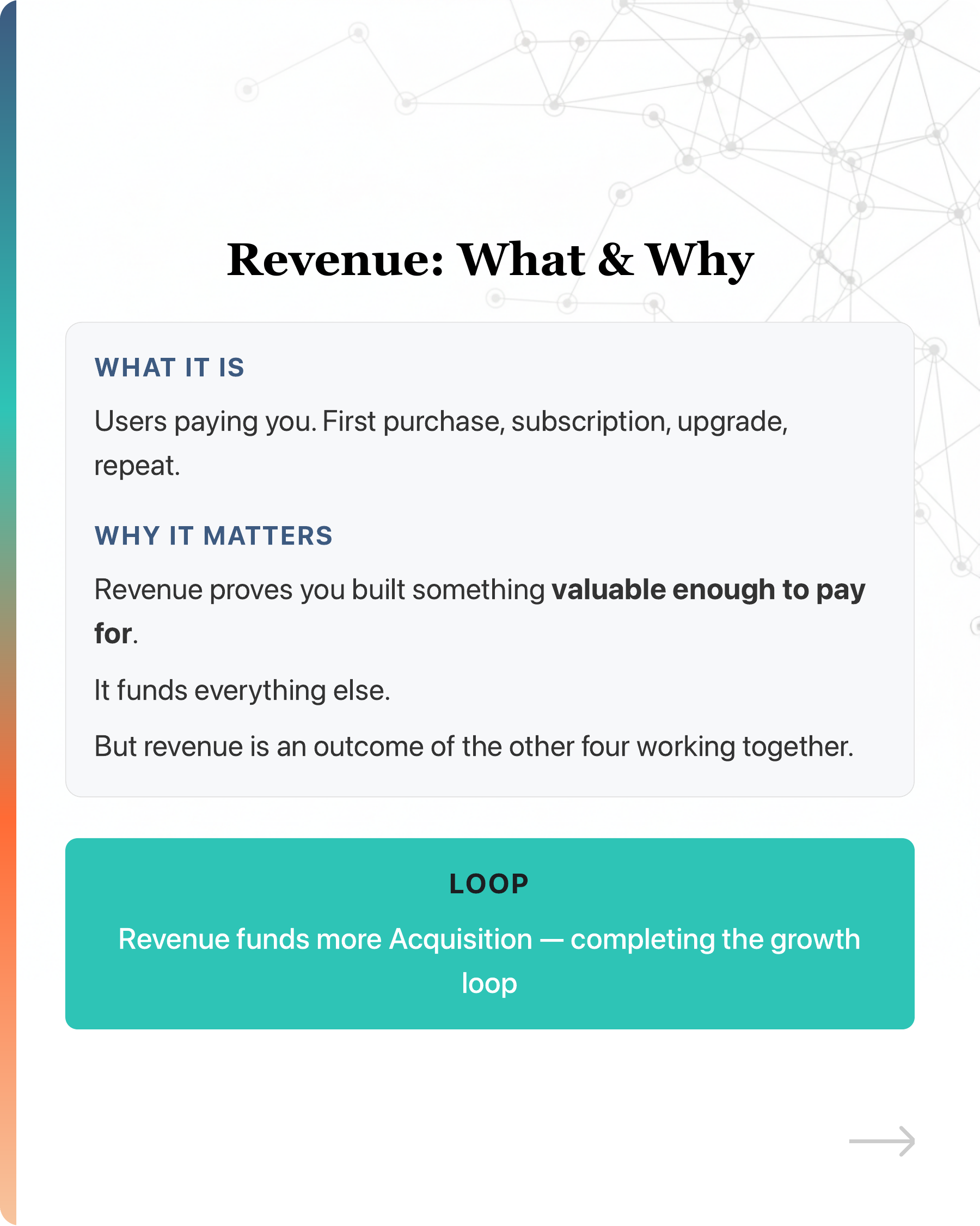
Revenue funds more acquisition.
(See the original image in the playbook)
These are loops, not funnel.
Somewhere along the way, people redrew it as a top-down funnel.
No loops. No feedback.
Lose the loops, lose the point.
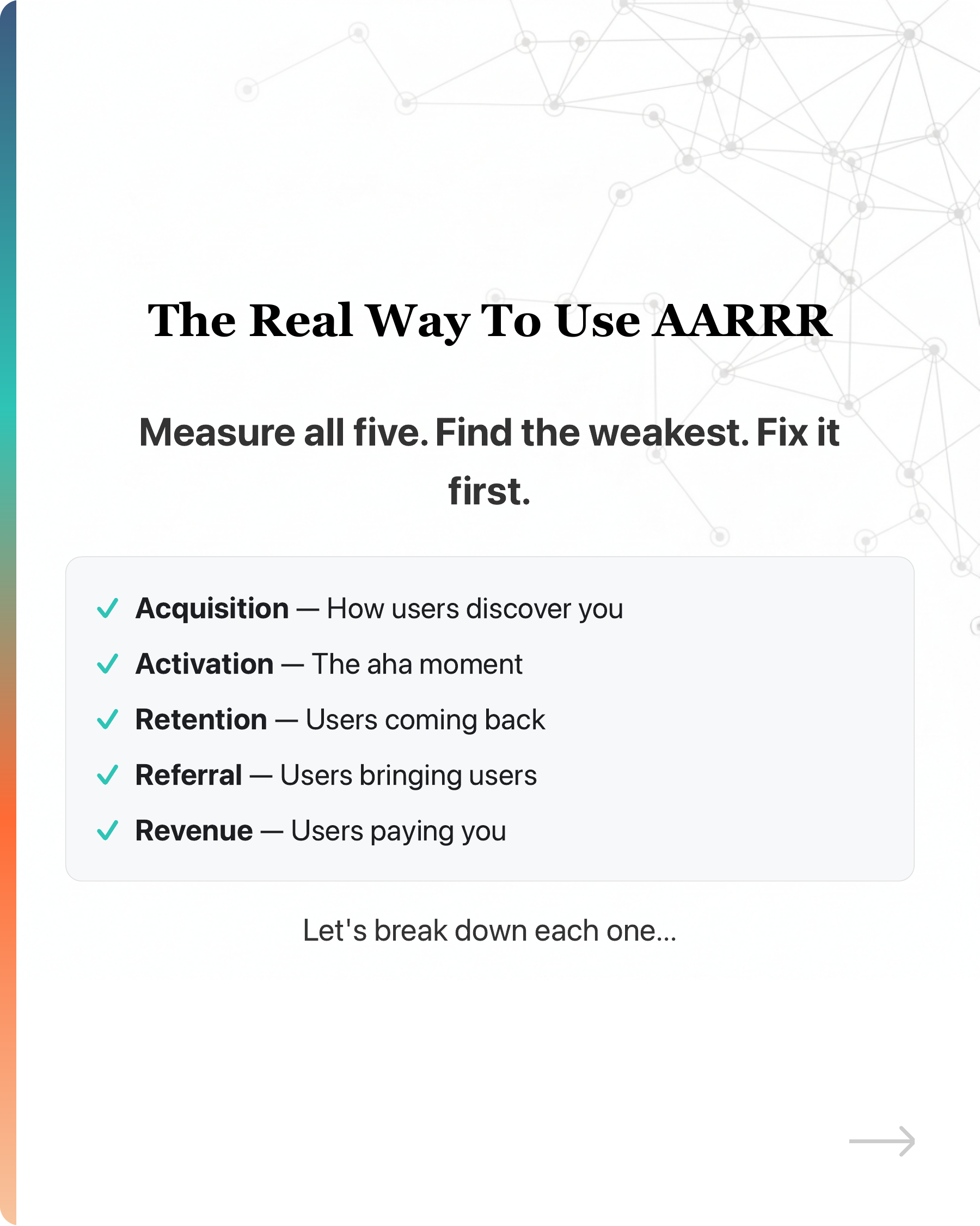
The real way to use AARRR:
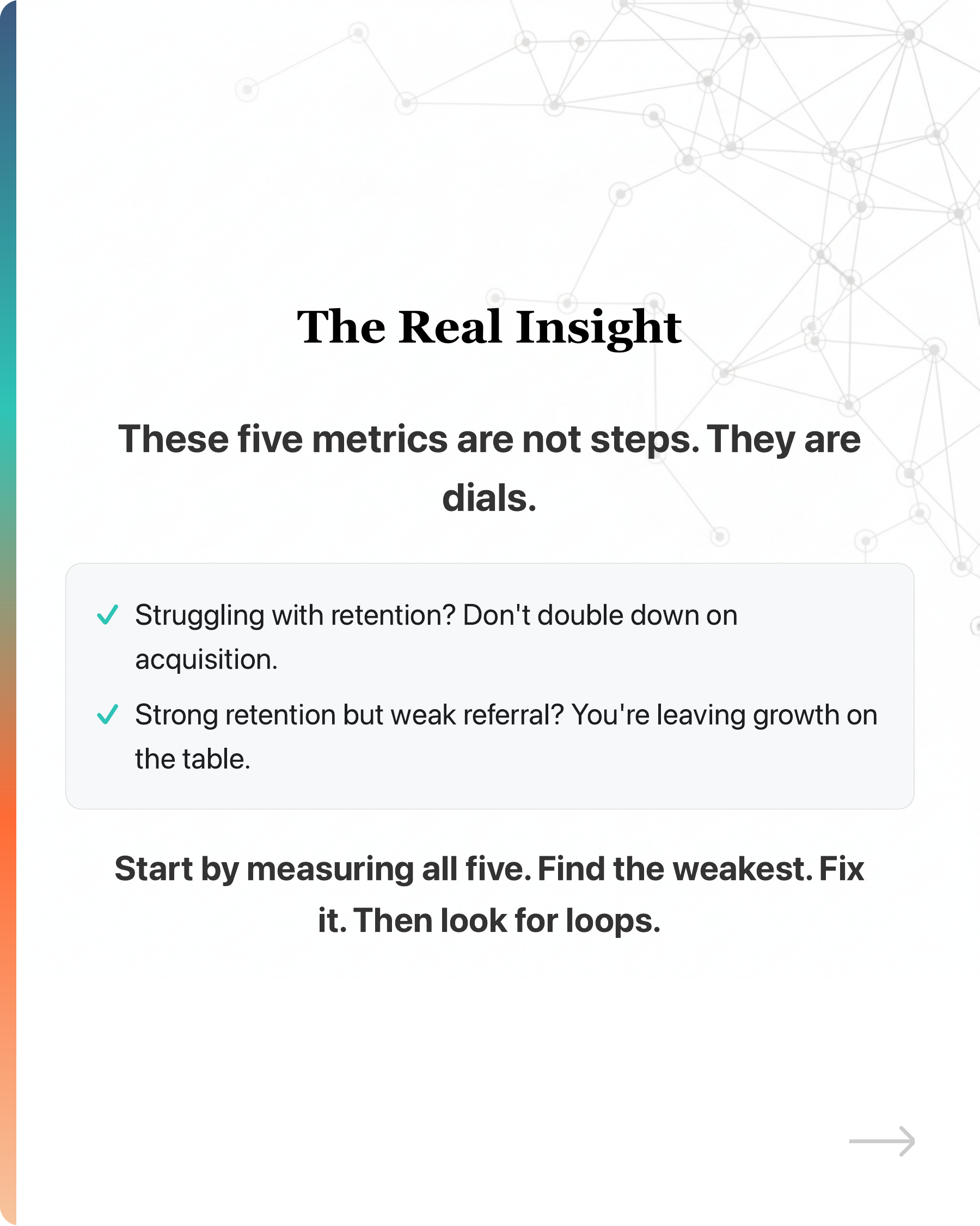
Measure all five. Find the weakest. Fix it first. Then look for loops.
That’s how sustainable growth works.
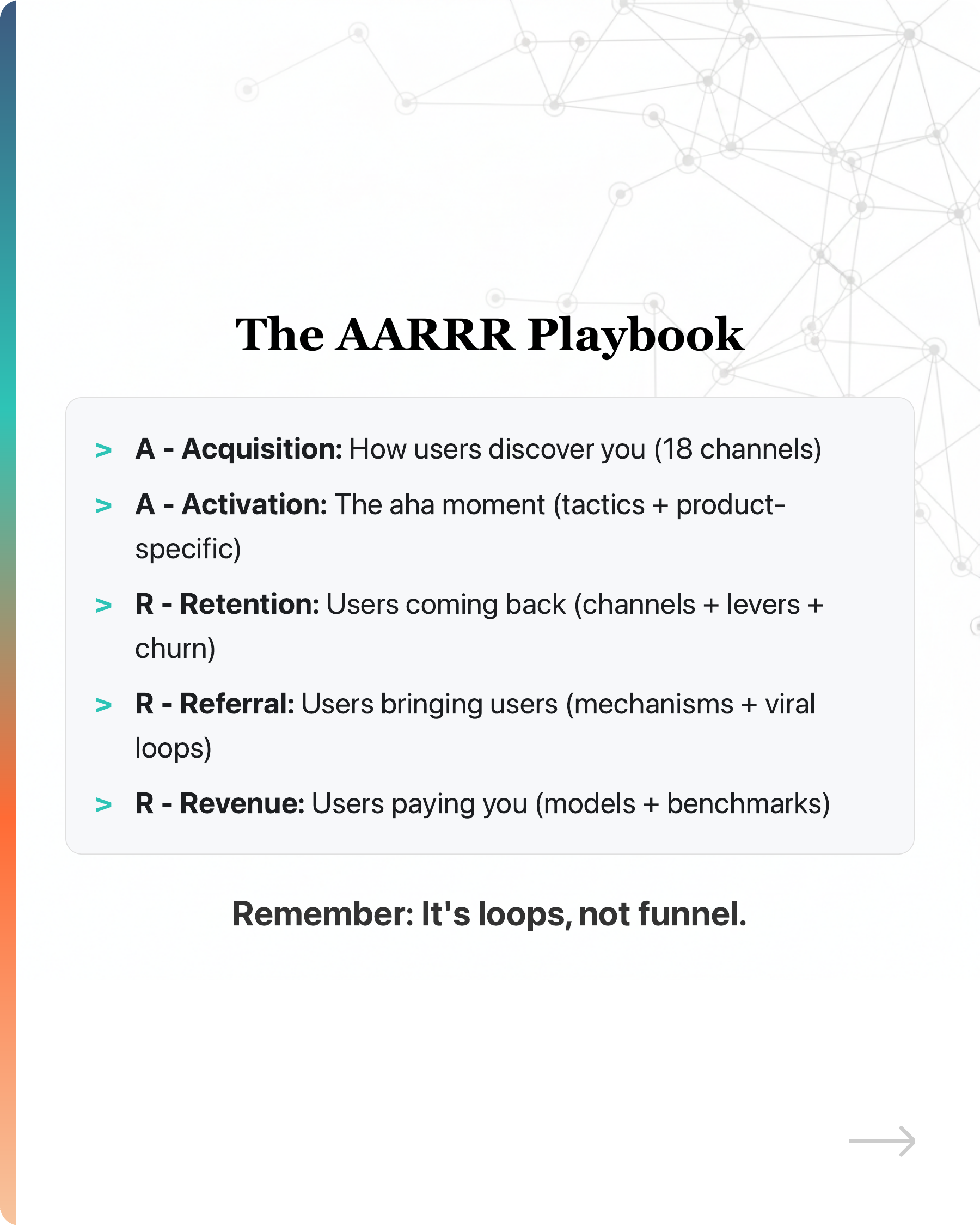
I put together a complete AARRR playbook with:
-
18 acquisition channels
-
Aha moments by product type
-
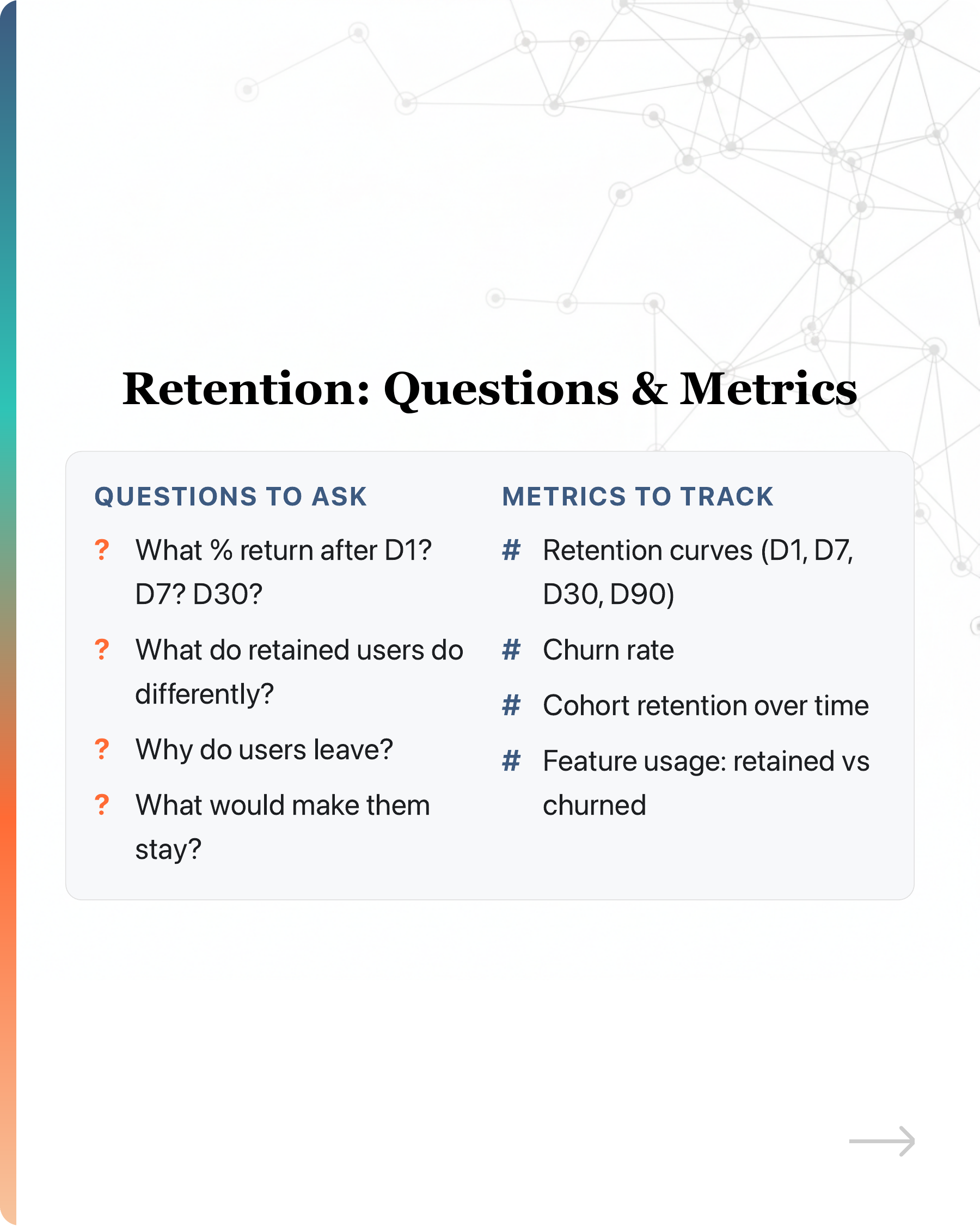
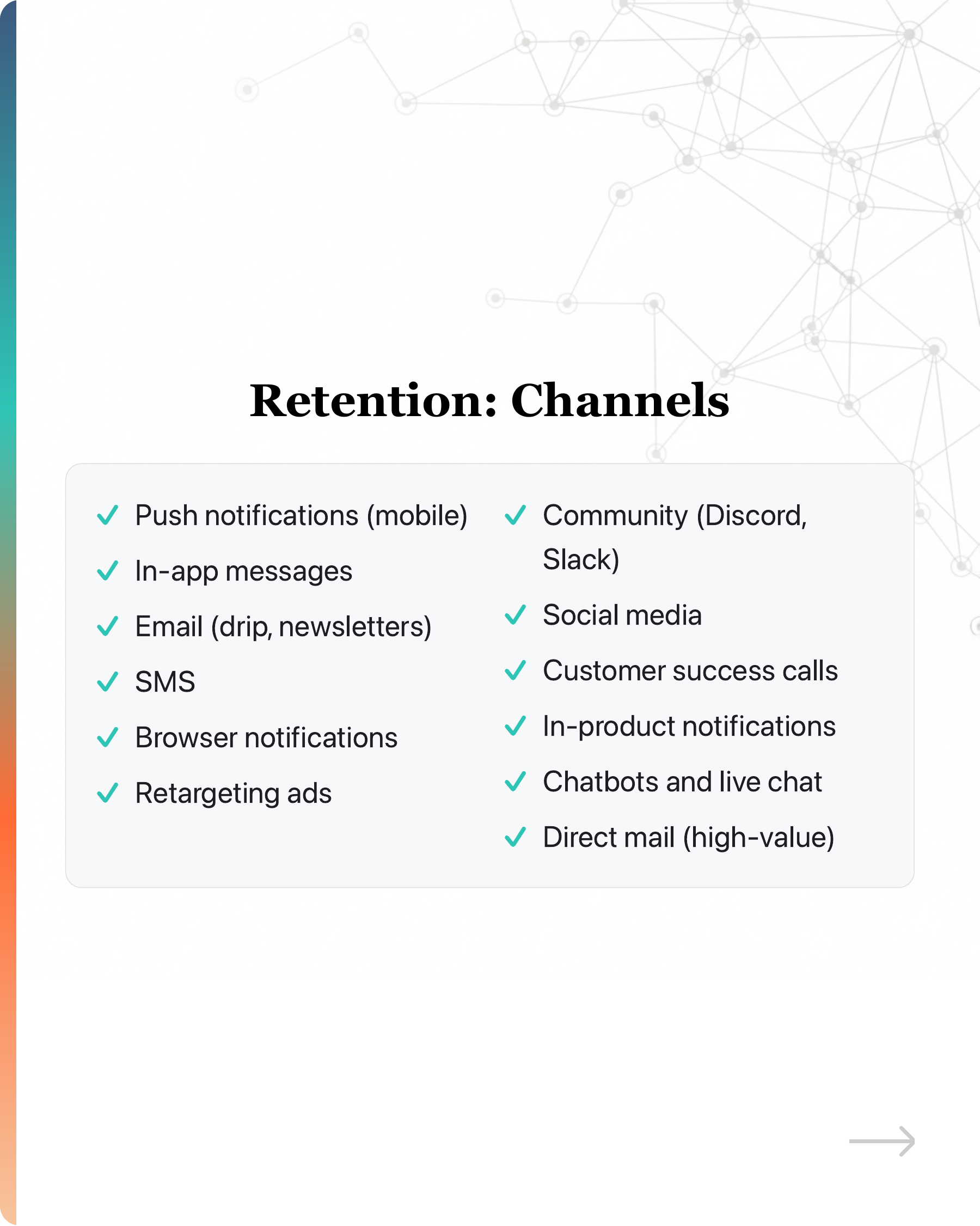
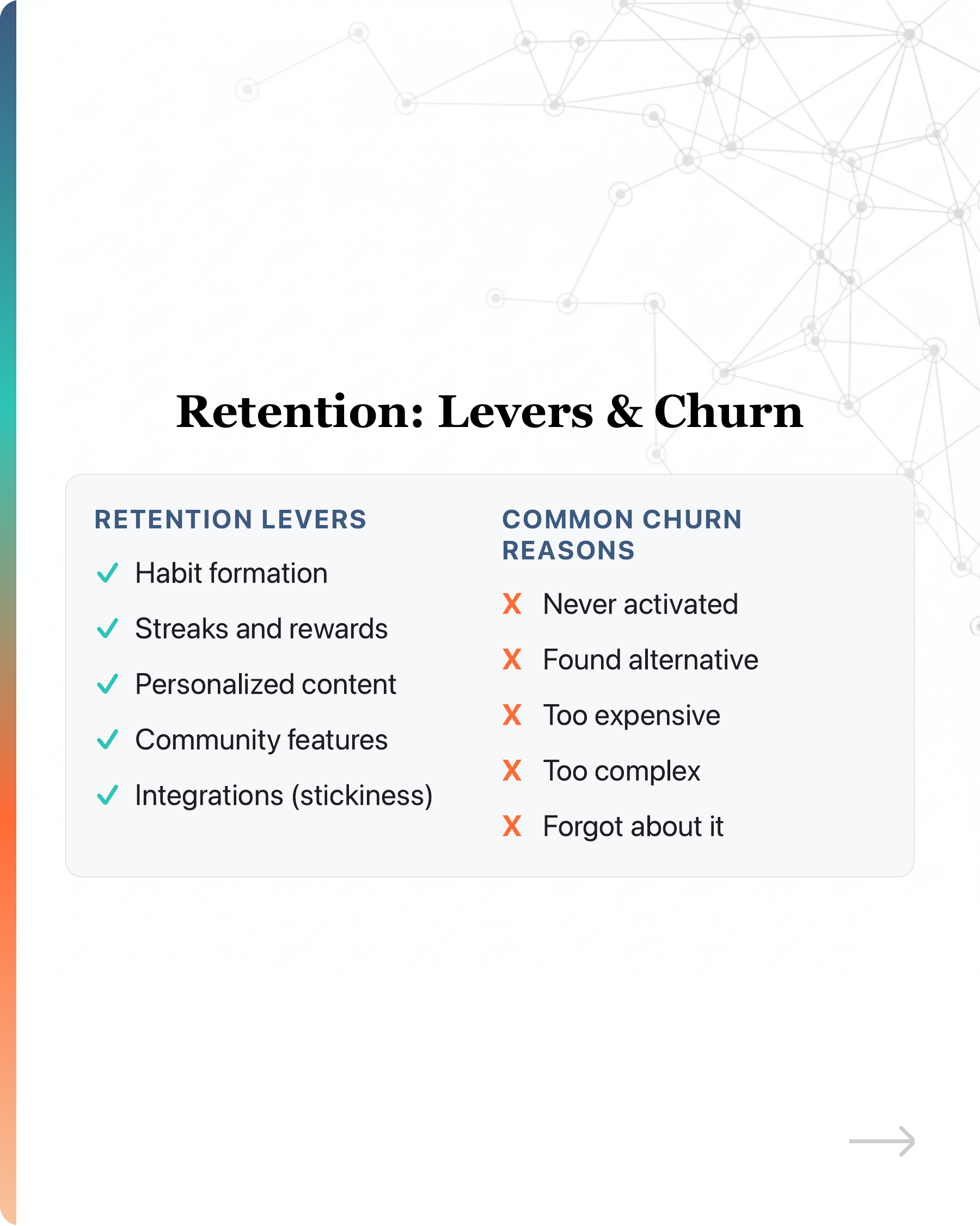
12 retention channels + levers + churn reasons
-
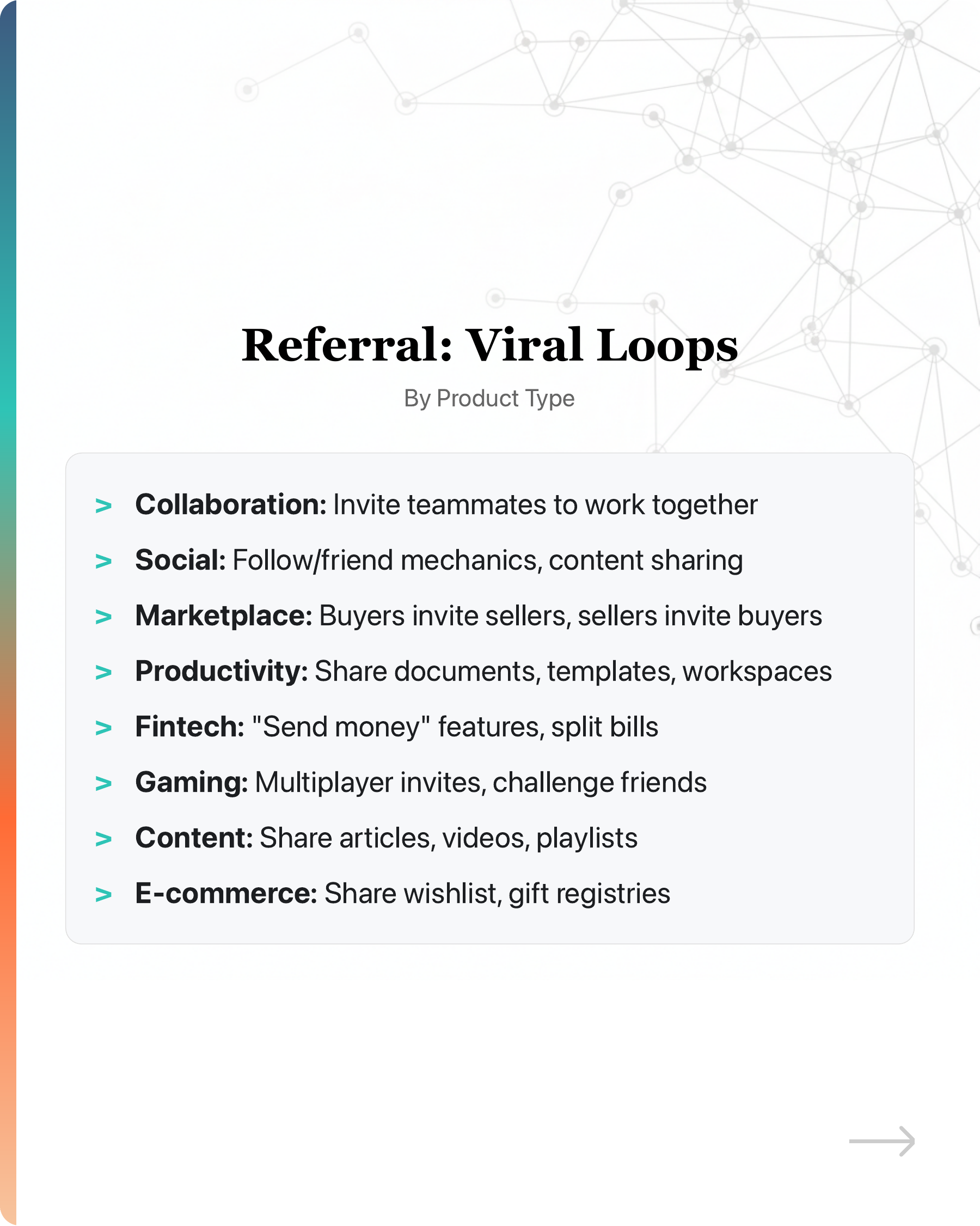
Referral mechanisms + viral loops
-
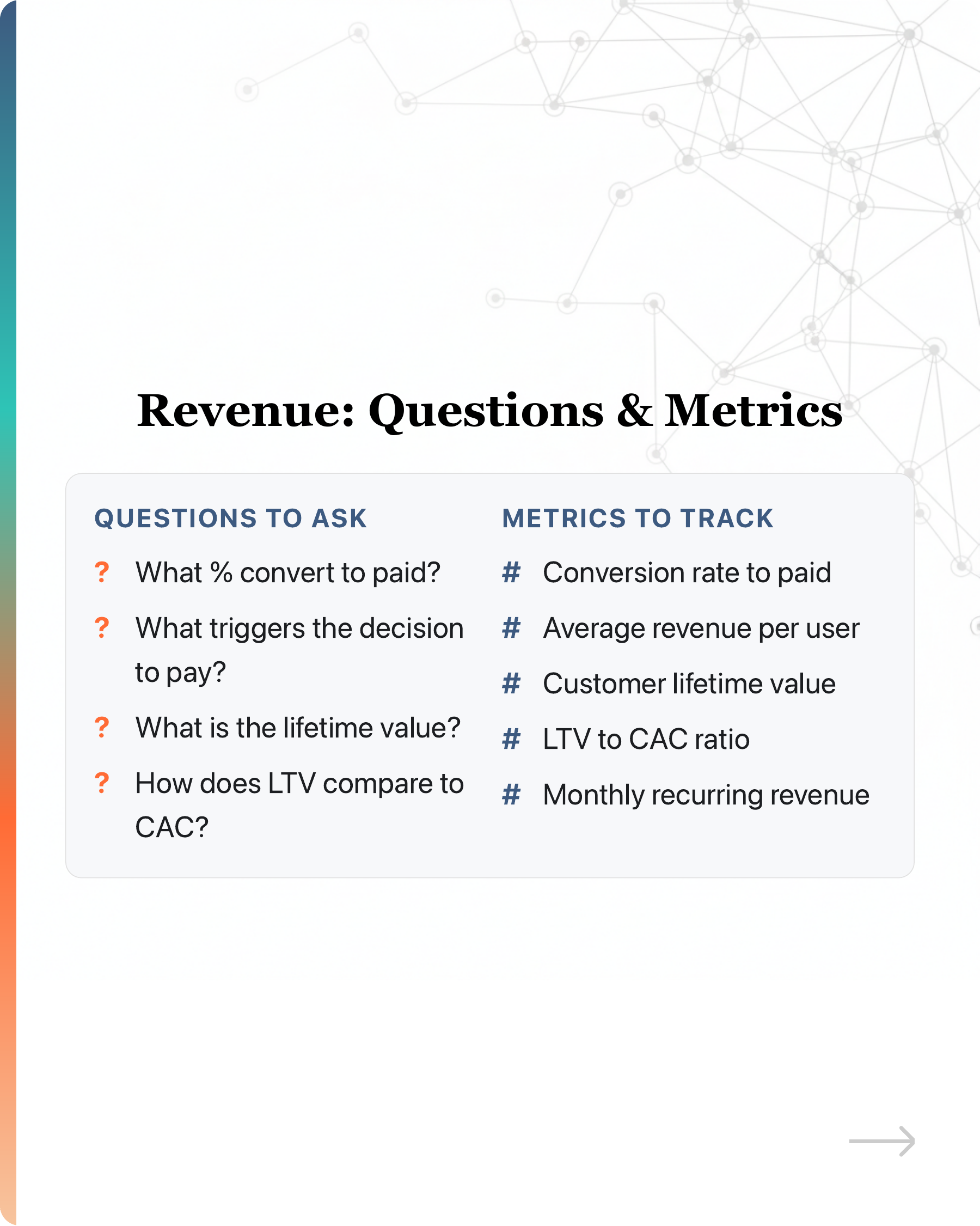
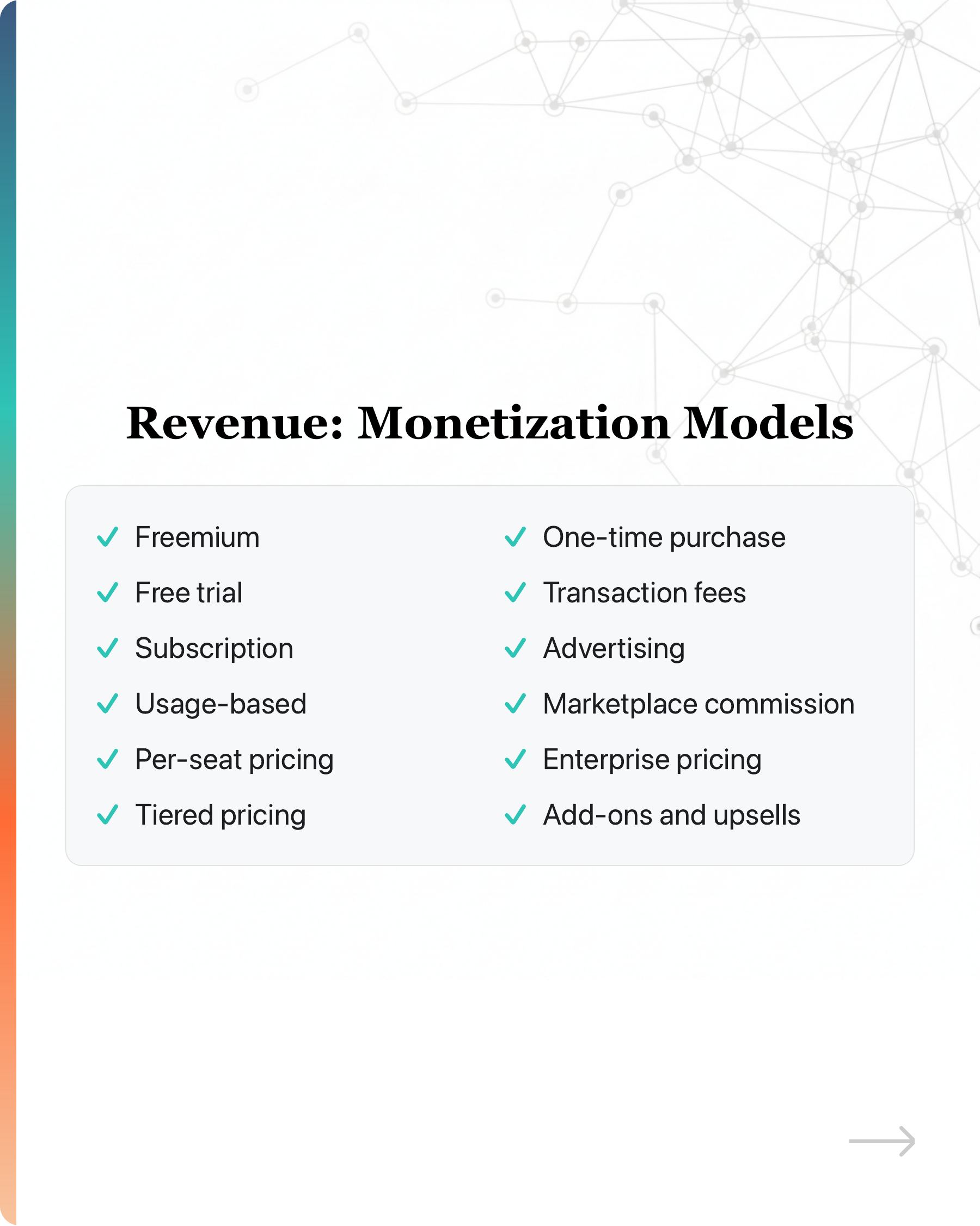
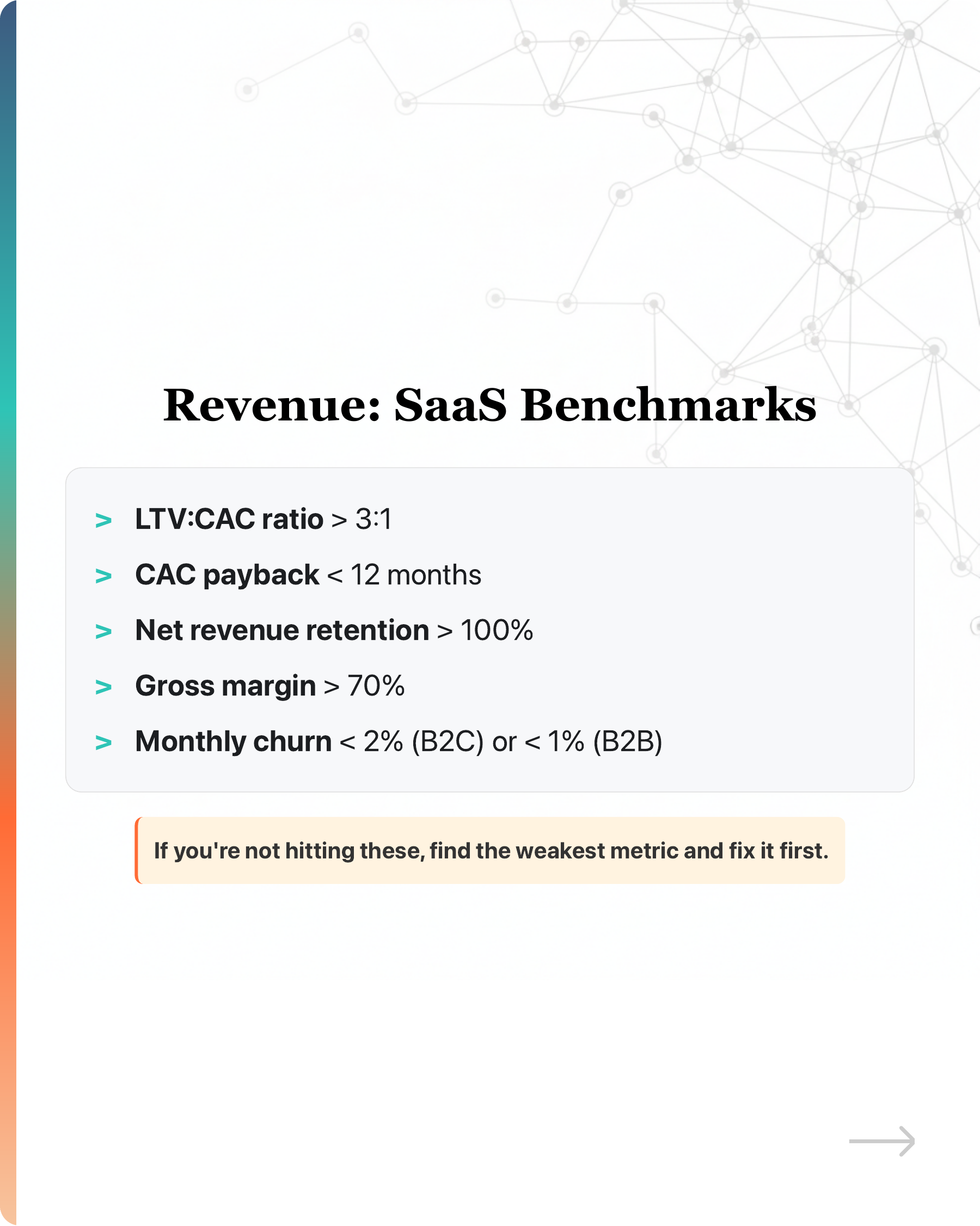
Monetization models + SaaS benchmarks
Swipe through to get the full breakdown.
Save this for your next product review.
#AARRR #PirateMetrics #ProductLedGrowth #StartupMetrics #GrowthStrategy
Enjoyed this? Subscribe for more.
Practical insights on AI, growth, and independent learning. No spam.
More in Tech & Startup
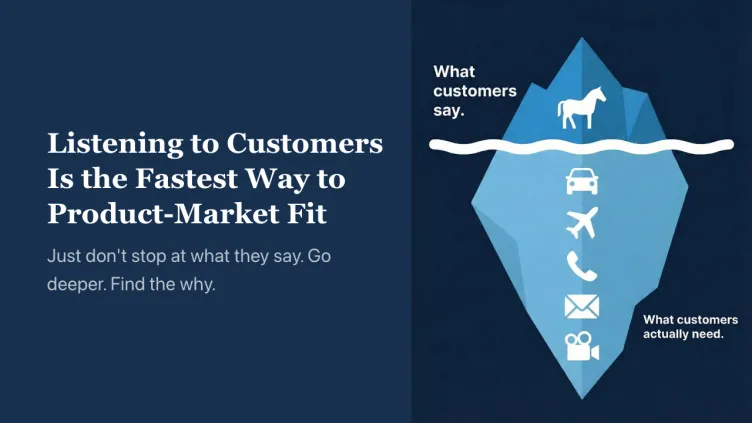
Should You Listen to Customer Feedback?
This is one of the most debated topics in product development.
If you are building an AI startup, be aware of this existential risk.
The AI startup world is buzzing with new ideas, especially those centered around Large Language Models (LLMs). However, a significant, often overlooked, risk...
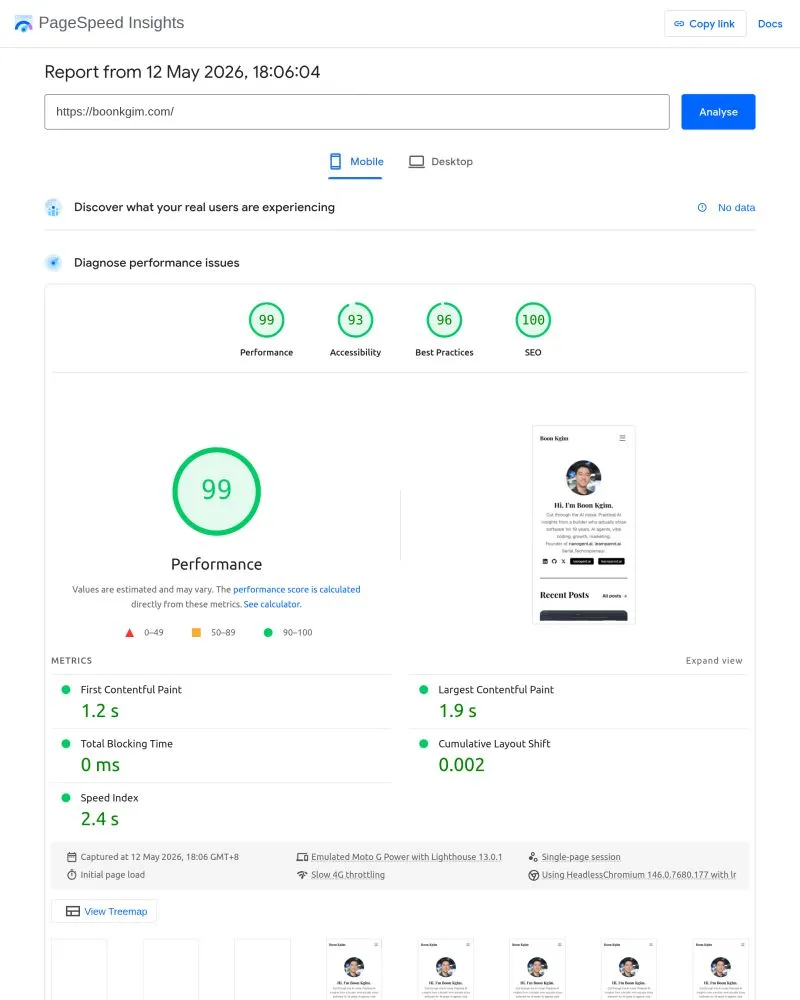
A common question I get from my Foundations of Claude Code workshop learners:
"Is the website we built SEO and GEO optimised?"
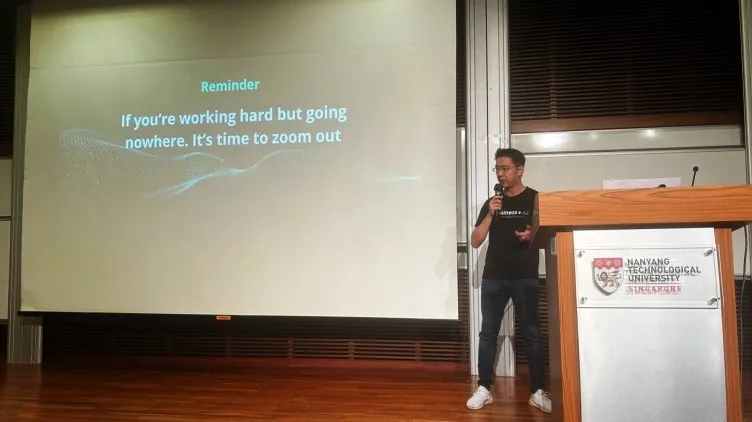
Three Stories of a Technopreneur
I have done many workshops and professional sharing sessions. This was the first time I shared personal stories.
Google's VP of Product recently answered a question about AEO/GEO for AI Search.
Here are some key takeaways:
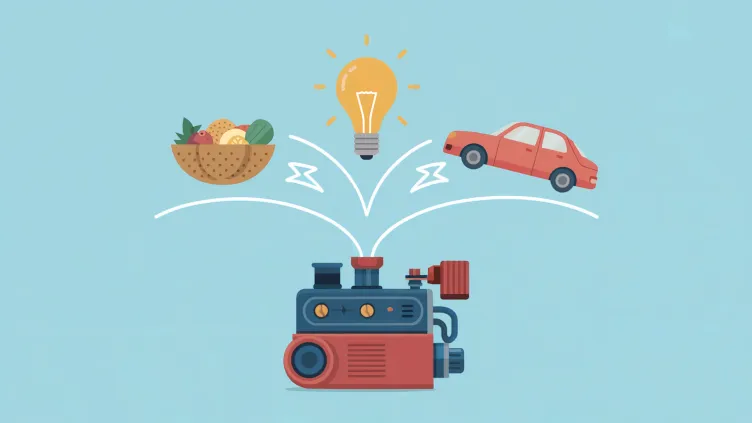
Forget Pain Points: Think Convenience
This advice from Ev Williams, co-founder of Blogger, Twitter and Medium should serve as a signpost.
Should You Listen to Customer Feedback?
This is one of the most debated topics in product development.
Three Stories of a Technopreneur
I have done many workshops and professional sharing sessions. This was the first time I shared personal stories.
Google's VP of Product recently answered a question about AEO/GEO for AI Search.
Here are some key takeaways:
If you are building an AI startup, be aware of this existential risk.
The AI startup world is buzzing with new ideas, especially those centered around Large Language Models (LLMs). However, a significant, often overlooked, risk...
A common question I get from my Foundations of Claude Code workshop learners:
"Is the website we built SEO and GEO optimised?"
Forget Pain Points: Think Convenience
This advice from Ev Williams, co-founder of Blogger, Twitter and Medium should serve as a signpost.