OpenClaw Creator: Why 80% Of Apps Will Disappear
If you are still thinking OpenClaw is just hype, you should watch this interview with Peter Steinberger.
Original source: youtube.com
YouTube: https://lnkd.in/g49K_bsk
He shared what makes OpenClaw viral, his ‘Aha!’ moment and some interesting POVs.
He came across as someone very pragmatic, not just hype.
These are the 8 takeaways that caught my attention.
—
- Local-first is the real differentiator
Every other AI assistant runs in the cloud. OpenClaw runs on your machine. That is what makes it so powerful.
Cloud agents can only access what APIs allow. Local agents can access everything you can do on your computer.
It can control your mouse, keyboard, oven, Tesla, lights, even bed temperature.
—
- His ‘Aha!’ moment is when his bot solved its own problem by building its own feature
Peter sent a voice message via WhatsApp. He never built voice support.
The agent figured out the file was audio, used ffmpeg to convert it, found an OpenAI key on the machine, ran curl to Whisper, and replied. All autonomously.
Coding involves creative problem-solving. So coding models are good at problem-solving and the skill transfers to real-world tasks, not just code.
—
- 80% of apps are just data managers
Fitness trackers, to-do lists, habit apps, meal planners.
If an agent already knows your context, it can do what these apps do without you opening them. The only apps that survive are ones with unique sensors or hardware.
If you’re building an app that just stores and displays data, your competition is now a markdown file and an LLM.
—
- Swarm intelligence > centralized god intelligence
Everyone was chasing one all-knowing AI. What actually emerged was a swarm of specialized AI agents.
One human can’t build an iPhone. A specialized society can. Same logic applies to agents.
—
- Memory belongs to the user, not the platform
OpenClaw stores memories as markdown files on your machine. Not locked in a corporate silo.
Your agent’s memory will become more sensitive than your Google search history. People start using agents for personal problem-solving very quickly.
For builders: letting users own their data is a competitive advantage against every walled garden.
—
(3 more takeaways in comments as I ran into character limit)
—
The point that stuck with me the most is how AI could make use of whatever it can find on the machine to solve a problem autonomously.
When we give bots the same tools we use, “magic” happens.
P/S: I am still figuring out how to balance power and security. Putting it in a container or VM seems to be against point (1).
What are your thoughts?
#AI #OpenClaw #AIAgents #BuildInPublic #SoftwareEngineering
Enjoyed this? Subscribe for more.
Practical insights on AI, growth, and independent learning. No spam.
More in AI Agents
Klarna’s latest move to bring back some humans for customer experience after their ambitious AI...
It’s progress.
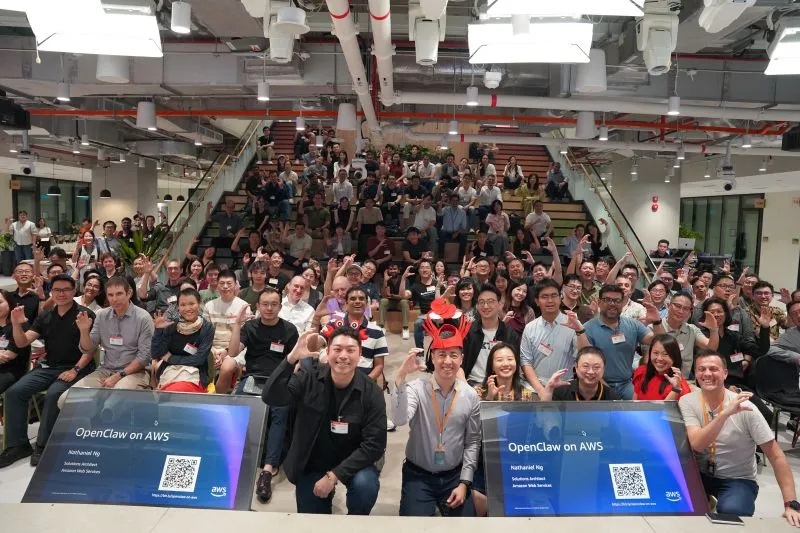
Honored to speak at the largest OpenClaw event at Amazon Web Services (AWS) last night, organised by OpenClaw Singapore. Thanks Lionel Sim for the invitation.
I was tasked to address the elephant in the room - security. I have converted my presentation to an article with slides for anyone interested.
Two Choices for Handling Tech Debt in Vibe Coding
· Go full vibe: ignore tech debt, and when things inevitably break, spend a week fixing it.
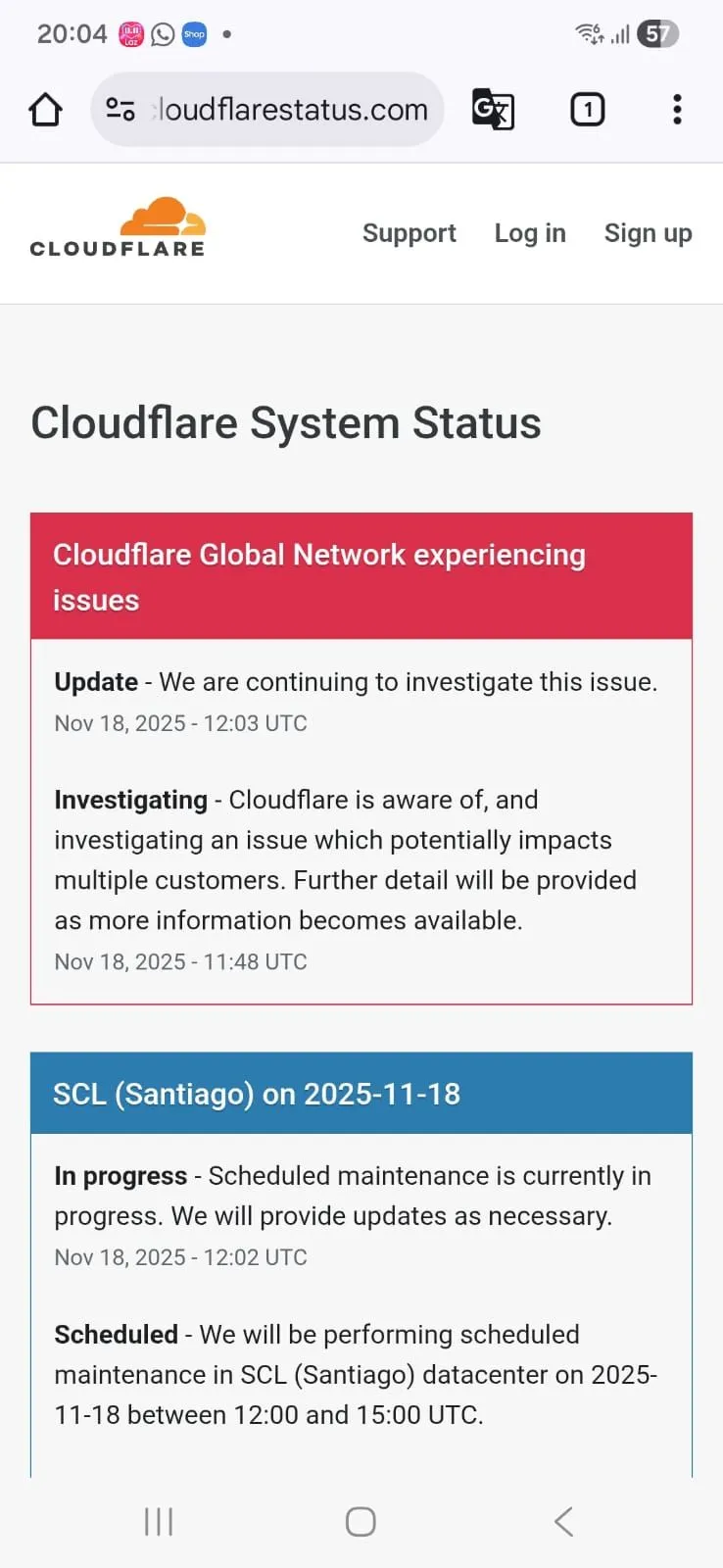
Is centralisation starting to show cracks?
If you can’t access some of your favourite websites right now, it’s likely due to this. Based on some estimates, 20% of all web traffic goes through Cloudfla...
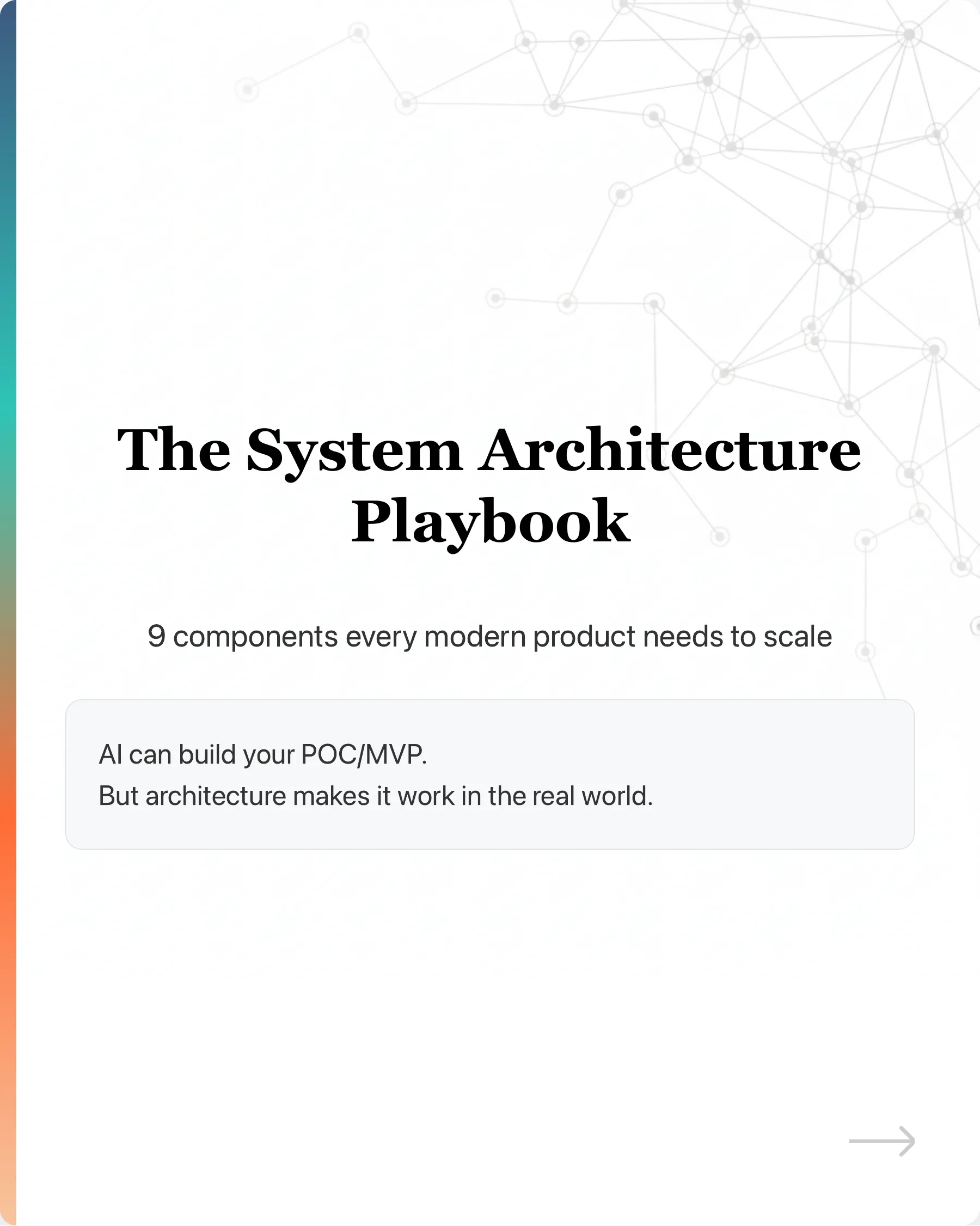
From POC to production: 9 architecture components your vibe-coded app needs.
AI can build POC/MVP.
Why Most Sales Presentations Fail
Here are 5 top frameworks for crafting effective sales presentations, each with a different focus depending on your audience, product complexity, and sales c...
Klarna’s latest move to bring back some humans for customer experience after their ambitious AI...
It’s progress.
Two Choices for Handling Tech Debt in Vibe Coding
· Go full vibe: ignore tech debt, and when things inevitably break, spend a week fixing it.
From POC to production: 9 architecture components your vibe-coded app needs.
AI can build POC/MVP.
Honored to speak at the largest OpenClaw event at Amazon Web Services (AWS) last night, organised by OpenClaw Singapore. Thanks Lionel Sim for the invitation.
I was tasked to address the elephant in the room - security. I have converted my presentation to an article with slides for anyone interested.
Is centralisation starting to show cracks?
If you can’t access some of your favourite websites right now, it’s likely due to this. Based on some estimates, 20% of all web traffic goes through Cloudfla...
Why Most Sales Presentations Fail
Here are 5 top frameworks for crafting effective sales presentations, each with a different focus depending on your audience, product complexity, and sales c...