Two Choices for Handling Tech Debt in Vibe Coding
· Go full vibe: ignore tech debt, and when things inevitably break, spend a week fixing it.
· Go full vibe: ignore tech debt, and when things inevitably break, spend a week fixing it. · Vibe with discipline: regularly review code and clean up tech debt.
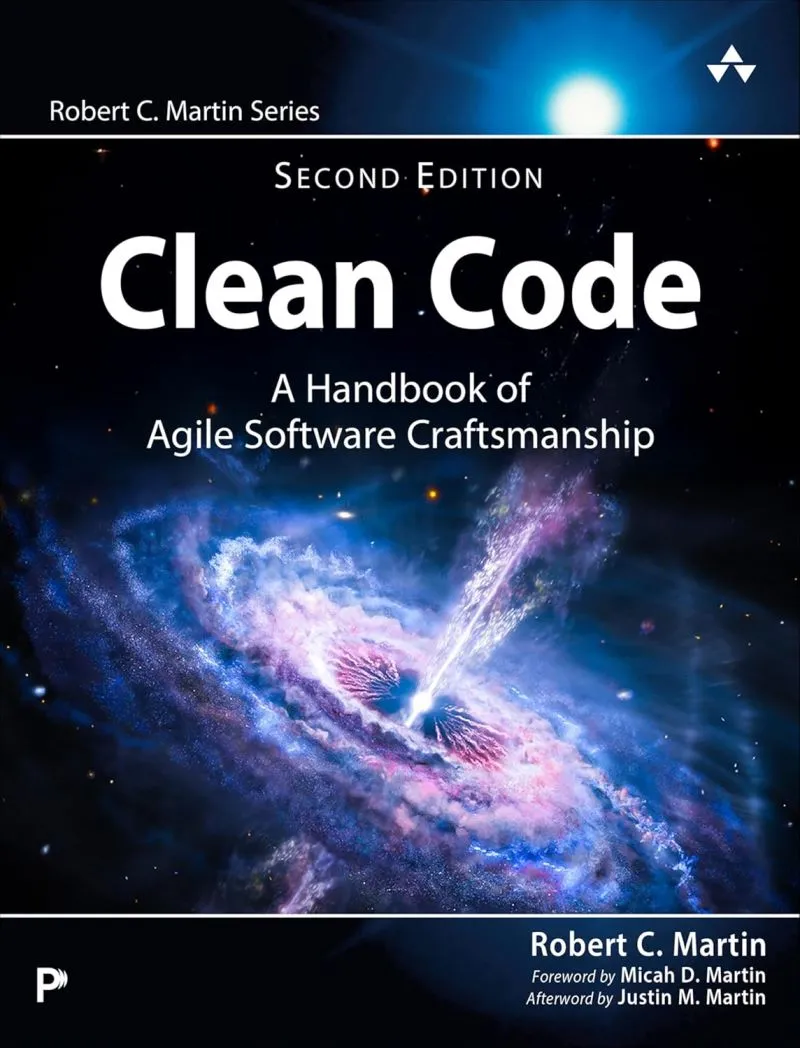
I strongly prefer the latter. This is why I still believe clean code matters. Clean code isn’t just for humans—it also makes it easier for AI tools and LLMs to understand and work with your code. A well-organised code will also require less tokens to work with.
One book I always recommend to developers on my team is Clean Code by Robert C. Martin. While there are other great books out there, this one is particularly practical. What also makes this book special is that the advice and principles it gives are timeless.
Its main takeaways are:
· Readability is king: Code should be easy to understand for anyone reading it. · Small, focused functions: Functions should do one thing and do it well. · Meaningful names: Names should communicate intent clearly. · Minimal dependencies: Keep modules loosely coupled for easier maintenance. · Continuous refactoring: Always look for opportunities to improve structure without changing behavior.
I like the analogy Robert uses in the book: clean code should read like a well-written essay. You can often understand what the code does, even without comments, because the flow is clear and the naming is precise. You also often don’t need to read the entire codebase to understand a part of it, as the components are loosely coupled.
I’ve also realized that readable code often follows a popular writing framework in business, The Pyramid Principle by Barbara Minto. Start with the main flow of the code, then encapsulate the details inside functions that support the main logic. This way, readers—whether human or AI—grasp the high-level intent first, then dive into details as needed.
In short, clean code is about creating software that’s easier to maintain, scale, and hand off—whether to a teammate or an AI. Vibe coding works best when it’s paired with these principles.
Bonus tip: Once you understand clean code, you can even prompt LLMs to write better code.
Share you thoughts in the comment: · What are your thoughts on clean code in the age of AI? · Do you think AI tools make clean code more or less important? · What are your favorite clean code principles or books?
P.S. · Some recommend ‘The Art of Readable Code’ as a replacement for ‘Clean Code.’ I can’t comment on it as I haven’t read that book. · There are a few other books on coding that I highly recommend. I will share about them one by one. Follow me to stay tuned.
#VibeCoding #CleanCode
Enjoyed this? Subscribe for more.
Practical insights on AI, growth, and independent learning. No spam.
More in Vibe Coding
Lessons I Learned Coding 10+ Apps with Claude Code. Transferrable to Non-Coding.
Thanks to Chris Pecaut for the invitation. Great to be on stage with Darryl WONG, Gaurav Manek, and Gaurav Keerthi.
Don't believe the BS that you can use Claude Code for free.
Ollama recently made their API compatible with Claude Code. Many creators quickly jumped on the opportunity to farm engagement with the hook: "You can now u...
Why you should get AI to replace you
The CEO knows this is the main friction to AI adoption in his company. The sharing addresses this question. This article is the written version of that shari...

Wan Wei, Soh "begged" me to teach this course.
Today, I am launching Foundations of Claude Code, a 4-hour course on May 7, for non-techies who want to learn Claude Code properly and walk out with their ow...
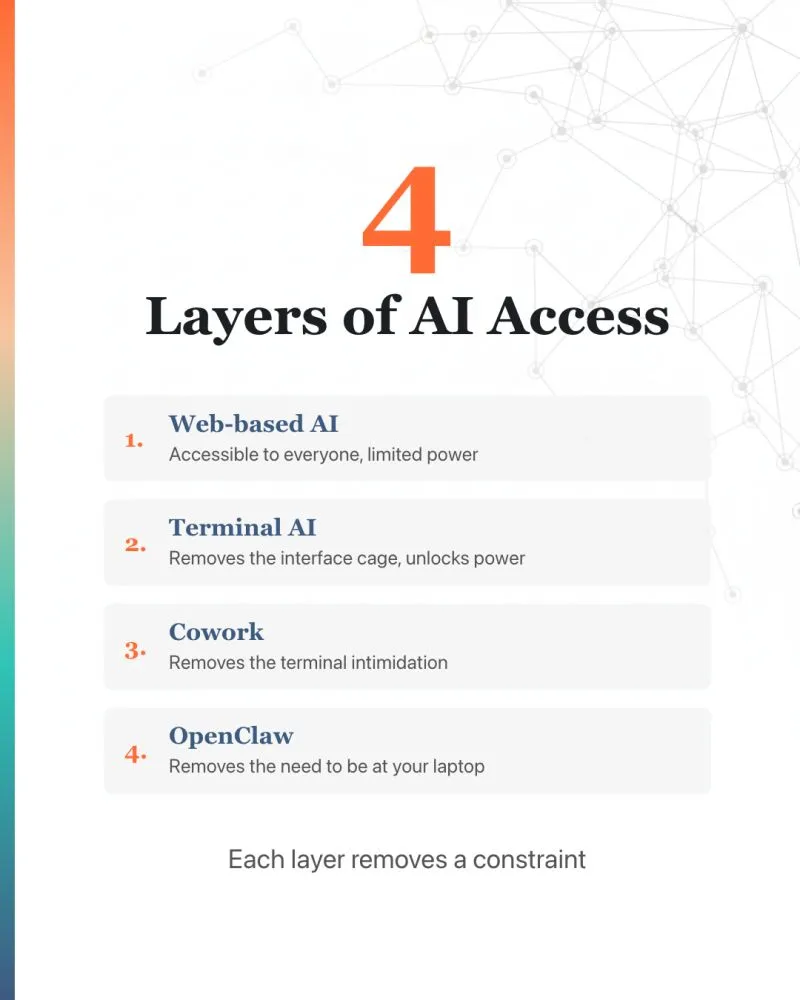
"What's the difference between ChatGPT, Claude Code, Claude Cowork, and OpenClaw?"
I've been asked this enough times that I thought I'd write it down. Here's my personal take.
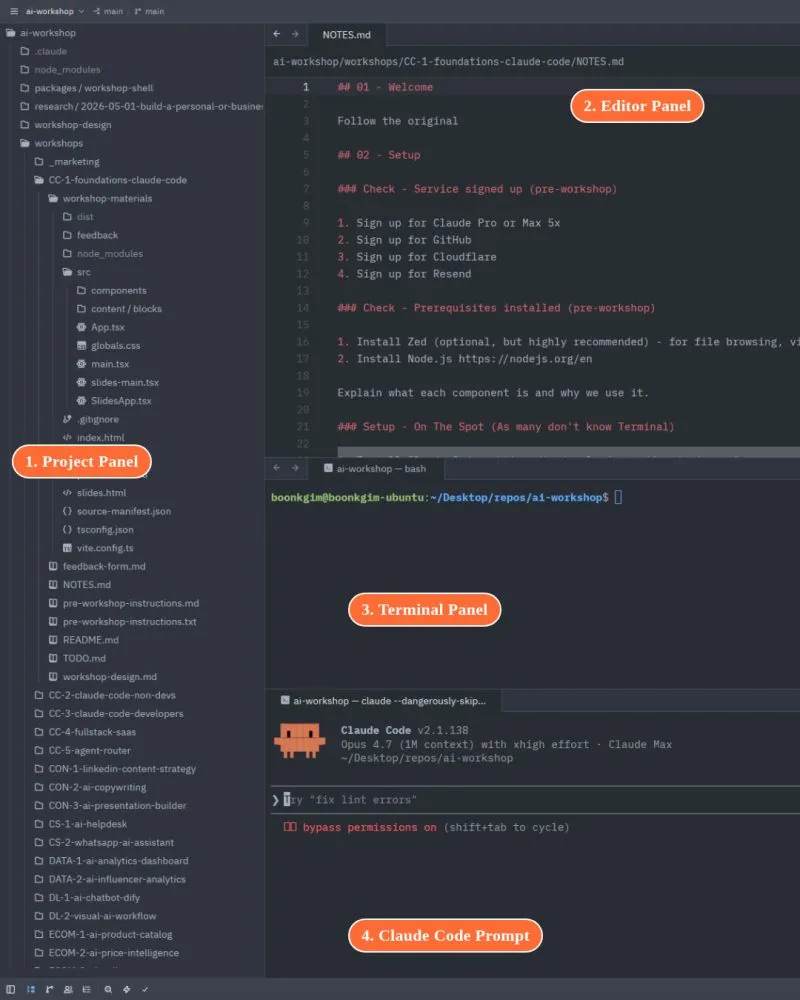
Recently, I ran a Claude Code foundations workshop for non-developers.
What I realised: the knowledge gap between developers and non-developers can be quite wide. Things I thought were obvious were not obvious to some learners.
Lessons I Learned Coding 10+ Apps with Claude Code. Transferrable to Non-Coding.
Thanks to Chris Pecaut for the invitation. Great to be on stage with Darryl WONG, Gaurav Manek, and Gaurav Keerthi.
Why you should get AI to replace you
The CEO knows this is the main friction to AI adoption in his company. The sharing addresses this question. This article is the written version of that shari...
"What's the difference between ChatGPT, Claude Code, Claude Cowork, and OpenClaw?"
I've been asked this enough times that I thought I'd write it down. Here's my personal take.
Don't believe the BS that you can use Claude Code for free.
Ollama recently made their API compatible with Claude Code. Many creators quickly jumped on the opportunity to farm engagement with the hook: "You can now u...
Wan Wei, Soh "begged" me to teach this course.
Today, I am launching Foundations of Claude Code, a 4-hour course on May 7, for non-techies who want to learn Claude Code properly and walk out with their ow...
Recently, I ran a Claude Code foundations workshop for non-developers.
What I realised: the knowledge gap between developers and non-developers can be quite wide. Things I thought were obvious were not obvious to some learners.