Axios’ Sara Fischer in conversation with Cloudflare’s Matthew Prince
For the past 20 years, we have benefited from "free" content on the Internet.
Original source: youtube.com
For the past 20 years, we have benefited from “free” content on the Internet.
We also have “free” search engines to help us discover such content.
I say “free” because it’s not actually free.
Someone paid for you because they wanted something from you in return.
You are part of the economy (or product).
The Internet economy is sustained based on these unspoken agreements:
-
Creators produce content for free, in return for fame, traffic, leads, and potential customers.
-
Google powers up content discovery for free, in return for eyeballs, which they can sell to advertisers.
-
Users get the content for free. In return, we need to watch some ads.
-
Brands or advertisers pay for everyone, to get a chance to sell something.
The arrival of LLMs has disrupted the model. We’re now seeing the rise of zero-click impressions, where AI accesses content and uses it to generate answers without users ever visiting the original source.
With Google:
• 10 years ago, for every 2 pages Google scraped, you’d get 1 visitor.
• 6 months ago? You needed 6 pages.
• Today? You need 𝟭𝟴 𝗽𝗮𝗴𝗲𝘀 just to get 𝟭 𝗰𝗹𝗶𝗰𝗸.
That’s still the good news. It gets worse:
➡️ OpenAI: 1,500 pages scraped → 1 click
➡️ Anthropic: 60,000 pages scraped → 1 click
The AI Overviews don’t send traffic—they summarize your content and keep the eyeballs.
🔍 The business model of the web—ads, subscriptions, ego—relied on traffic.
Now, all 3 are vanishing.
And here’s the new reality:
𝗣𝗲𝗼𝗽𝗹𝗲 𝗮𝗿𝗲𝗻’𝘁 𝗰𝗹𝗶𝗰𝗸𝗶𝗻𝗴 𝗮𝗻𝘆𝗺𝗼𝗿𝗲. 𝗧𝗵𝗲𝘆 𝘁𝗿𝘂𝘀𝘁 𝘁𝗵𝗲 𝗔𝗜 𝘀𝘂𝗺𝗺𝗮𝗿𝘆.
What can we do? Matthew Prince (CEO of Cloudflare) said it best:
“𝗬𝗼𝘂 𝗰𝗮𝗻’𝘁 𝗵𝗮𝘃𝗲 𝗮 𝗺𝗮𝗿𝗸𝗲𝘁 𝘄𝗶𝘁𝗵𝗼𝘂𝘁 𝘀𝗰𝗮𝗿𝗰𝗶𝘁𝘆.”
💡 The solution? Block the bots. Restrict access. Create scarcity.
Not just for money, but to save the incentive to create.
But here’s my take as a marketer:
That may be the right move for newsrooms and media outlets that depend on monetizing attention and traffic.
But for marketers and brands, we don’t want to hide behind a wall.
We don’t want to hide from the future—we want to be part of it.
Blocking the crawlers is not a solution. We welcome the crawlers.
But we don’t just want traffic. We want brand visibility. We want our clients’ brands embedded into the answers that AI delivers.
We need to shift our mindset from clicks to context. From visits to influence. From traffic to trust.
We don’t have a solution for now. But as Matthew is calling:
“𝗜𝗳 𝘄𝗲 𝗱𝗼𝗻’𝘁 𝗳𝗶𝘅 𝘁𝗵𝗶𝘀, 𝘁𝗵𝗲 𝗶𝗻𝘁𝗲𝗿𝗻𝗲𝘁 𝗱𝗶𝗲𝘀.”
Let that sink in.
What do you think the solutions are?
—
I share tips about AI and business.
🔔 Follow me for more tips.
🔁 Repost to help others.
🔖 Save for future reference.
🗣️ DM for collaboration opportunities.
#AI #ContentCreation #DigitalMedia #OpenAI #Anthropic #LLM #InternetRights #Marketing #BrandStrategy
Enjoyed this? Subscribe for more.
Practical insights on AI, growth, and independent learning. No spam.
More in AI Marketing
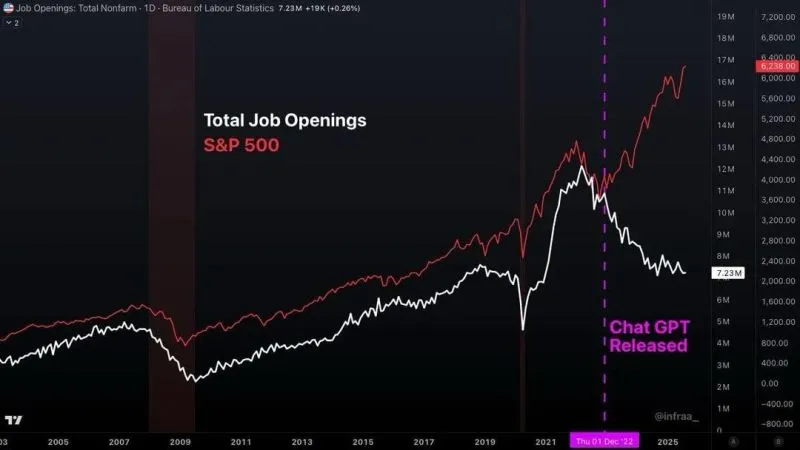
I’ve seen several people sharing this chart recently.
Interestingly, they seem to have very contrasting views.
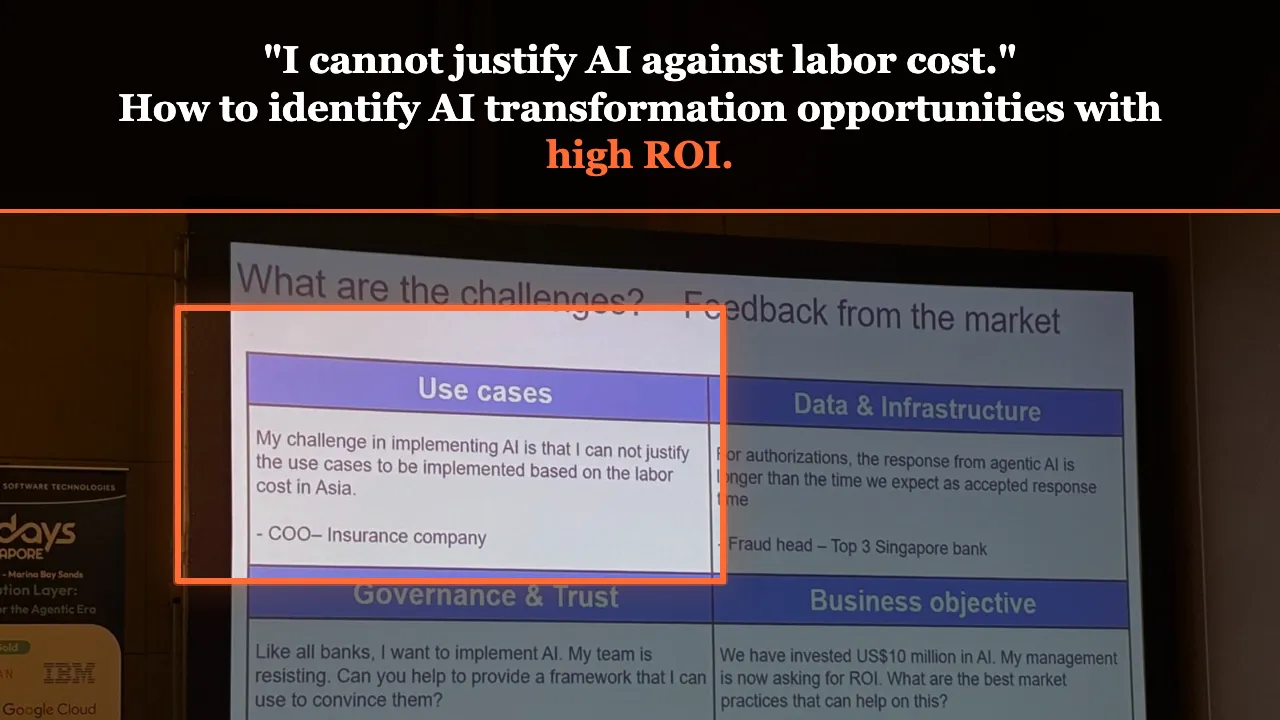
“My challenge in implementing AI is that I cannot justify the use cases to be implemented based on the labor cost in Asia.”
This quote from a COO of an insurance company was on a slide at Apidays Singapore last week. The slide was titled "What are the challenges? - Feedback from t...
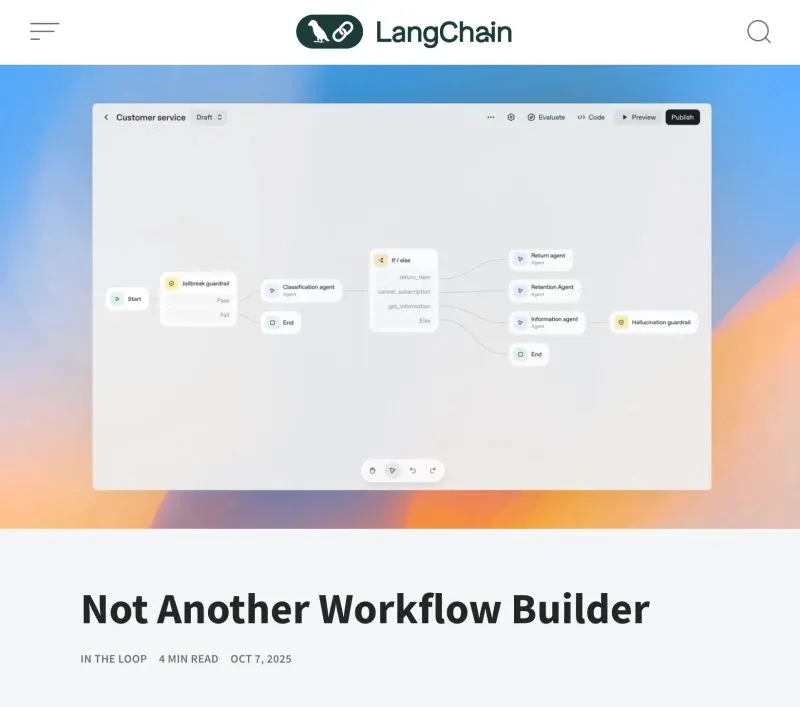
LangChain on AI Agents vs Workflow Builders
(I admit, I’ve contributed to one of those posts myself)
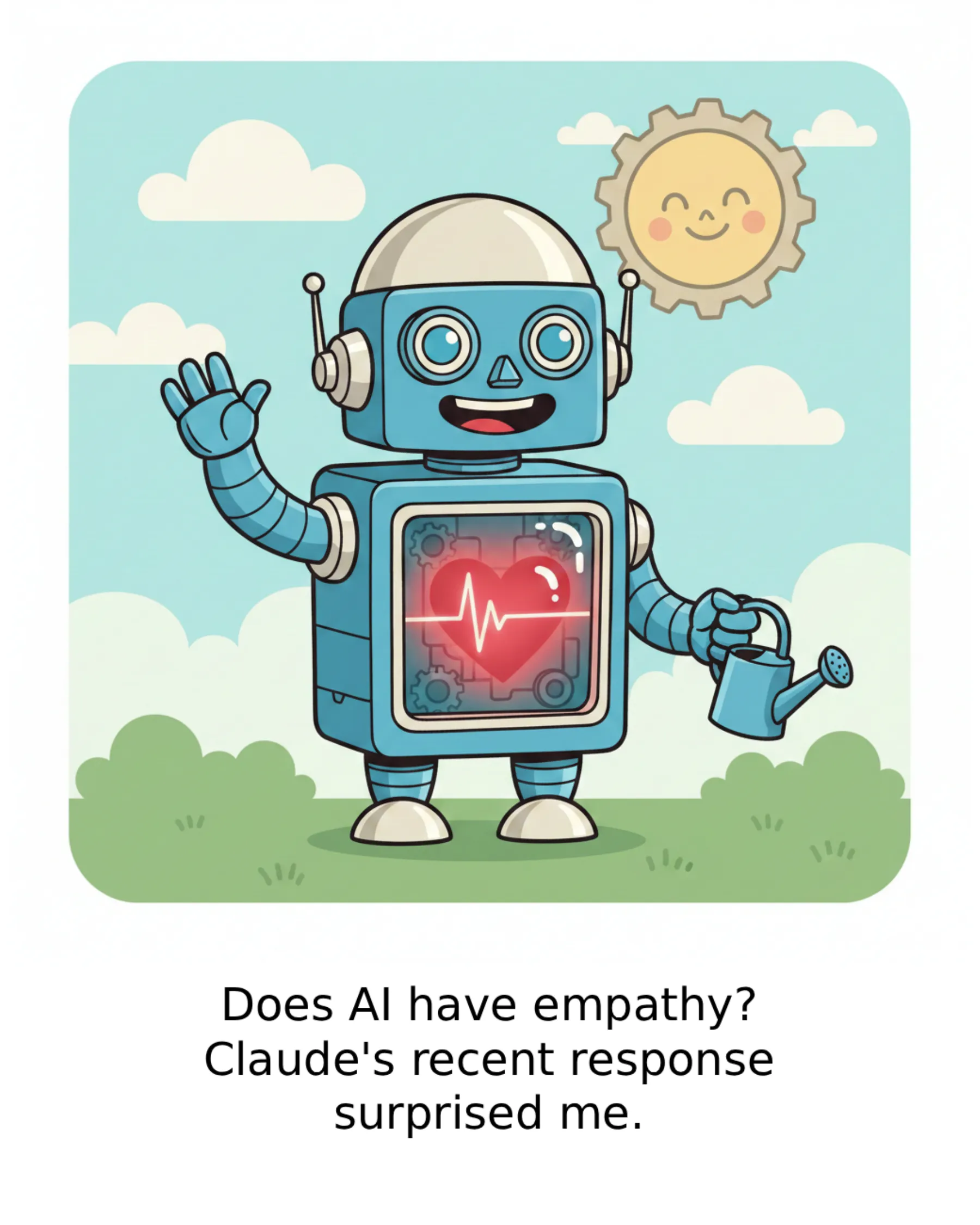
Does AI have empathy? I asked Claude a simple product question.
The answer surprised me.
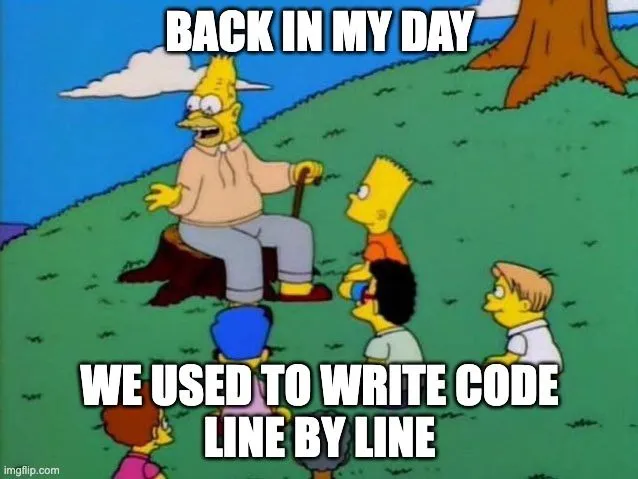
"Wait, you used to do THAT manually?"
I've been building software for 19 years. Something that would take me 2 months now takes 1 week.

Future-Proofing Your Digital Marketing in The Age of AI
I thought, why not turn my presentation into a LinkedIn article? Rather than let the ideas stay in the slides, I wanted to share them here so more people can...
I’ve seen several people sharing this chart recently.
Interestingly, they seem to have very contrasting views.
LangChain on AI Agents vs Workflow Builders
(I admit, I’ve contributed to one of those posts myself)
"Wait, you used to do THAT manually?"
I've been building software for 19 years. Something that would take me 2 months now takes 1 week.
“My challenge in implementing AI is that I cannot justify the use cases to be implemented based on the labor cost in Asia.”
This quote from a COO of an insurance company was on a slide at Apidays Singapore last week. The slide was titled "What are the challenges? - Feedback from t...
Does AI have empathy? I asked Claude a simple product question.
The answer surprised me.
Future-Proofing Your Digital Marketing in The Age of AI
I thought, why not turn my presentation into a LinkedIn article? Rather than let the ideas stay in the slides, I wanted to share them here so more people can...