Google is steadily expanding its moats for GenAI again.
Google started as a laughing stock in the GenAI arms race with the failed Bard demo.
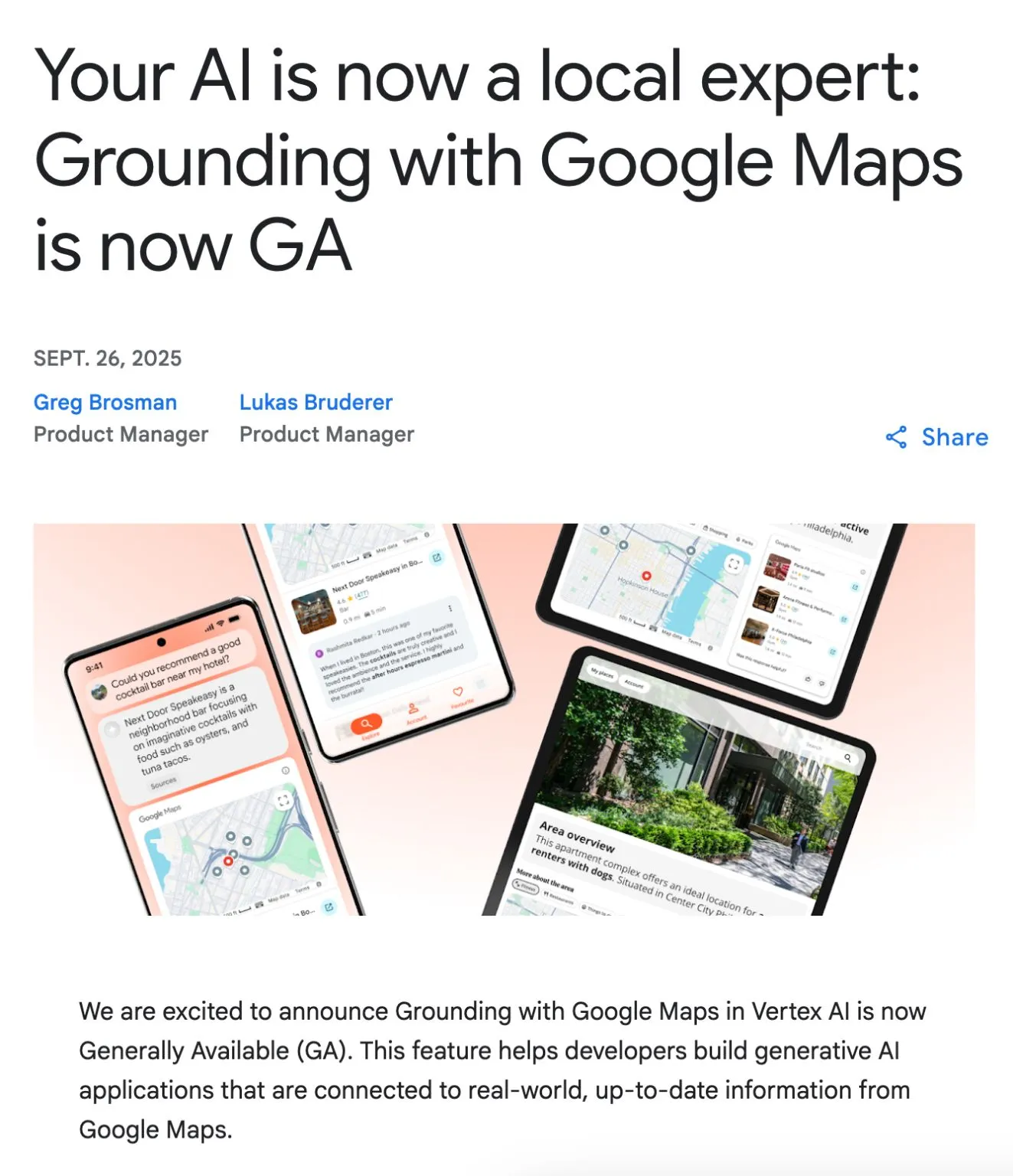
Google started as a laughing stock in the GenAI arms race with the failed Bard demo.
Many thought they would make a good example of how a big and slow incumbent gets disrupted by agile startups like OpenAI, Anthropic, and Perplexity.
Yet today, Google leads in areas like image editing and generation with Nano Banana, and video generation with Veo 3.
While there’s no official data on LLM API market share, I’ve personally been using Gemini API more than others.
Why?
Because of native search grounding with Google Search.
I’ve tried using other LLMs with other SERP providers, but the results just aren’t as accurate or useful.
Now, Google has gone further by adding Google Maps as a grounding tool. This opens up new use cases such as:
1️⃣ Travel planning with real-time place information and reviews
2️⃣ Personalized restaurant or café recommendations based on context
3️⃣ Real estate search with neighborhood insights
4️⃣ Smart assistants that answer hyper-local queries
5️⃣ Group activity planning with location-based suggestions
This shows once again that ecosystem and distribution moats are among Google’s greatest competitive advantages.
For developers and businesses, this is a clear signal: building on top of Google’s ecosystem offers a significant advantage. Leveraging these integrated tools can lead to more powerful and context-aware applications with less effort.
What are your thoughts? Is Google’s ecosystem moat becoming insurmountable for its competitors? What are your preferred LLM API providers?
—
I share practical tips about business, marketing and AI
🔔 Follow me to learn more!
♻️ Re-post this to help others!
🔖 Save this for future reference!
💬 DM me for collaboration!
#Google #Gemini #AI #GenAI #LLM
Enjoyed this? Subscribe for more.
Practical insights on AI, growth, and independent learning. No spam.
More in Tech & Startup
Hot Take: Vibe Coding Won't Replace Software Engineers
Here, I share my journey from a strong believer to a skeptic.
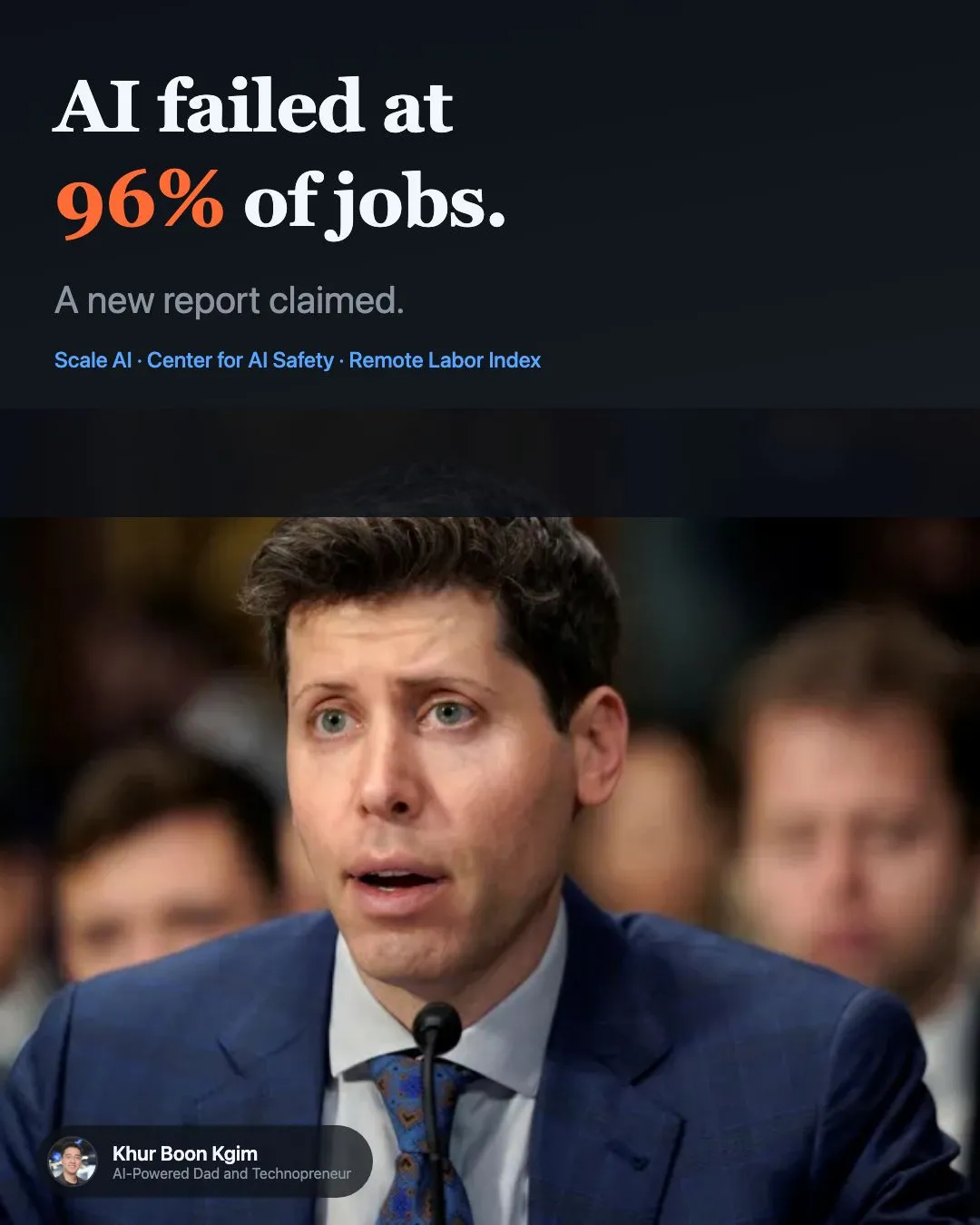
AI failed at 96% of jobs.
A new report from Scale AI and the Center for AI Safety tested AI agents against 240 real freelance projects from Upwork. The best agent completed only 2.5% ...
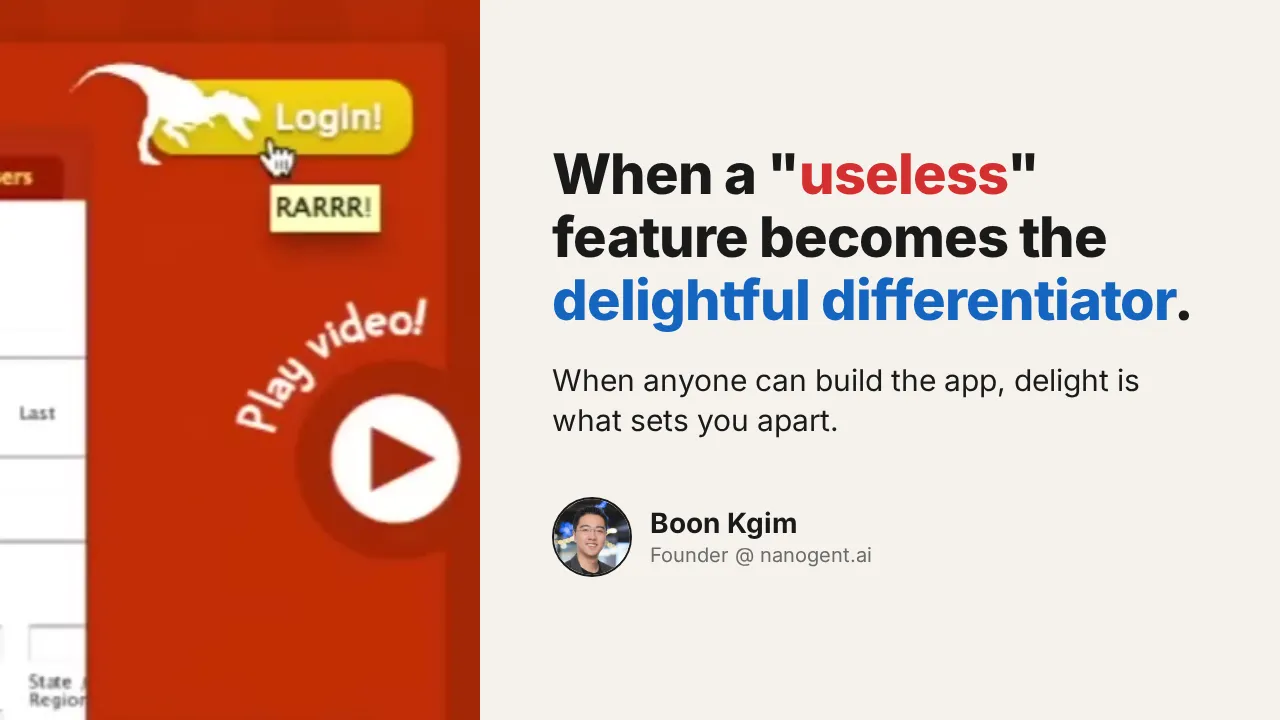
When a “useless” feature becomes the delightful differentiator
It is a little pet that lives inside Codex. It does not write code, catch bugs, or make anything faster. By every rational measure of a coding agent, it is p...

Am I the only one feeling uneasy building AI agents with OpenCrawl after testing it for a while?
I've been building AI agents before OpenClaw, and building skills using Claude Code for a while. It's powerful. When I learned about OpenClaw, I knew exactly...
How I Balance Business and Parenting as an Entrepreneur
Last December, as I squeezed out some time to help my kids with their study, I thought:
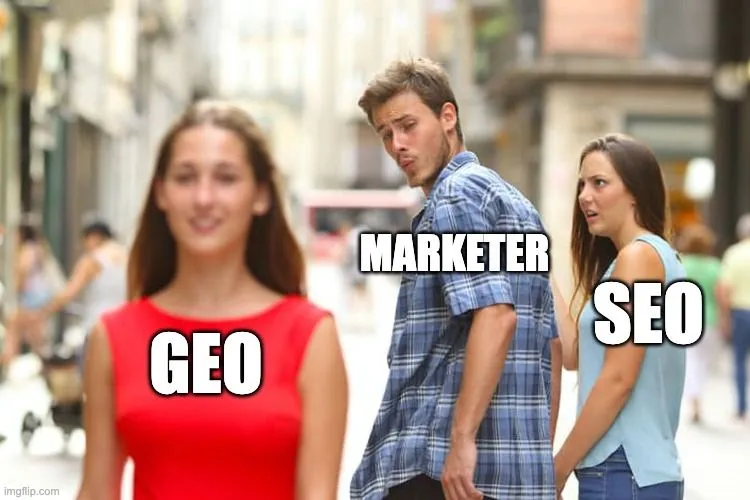
When we tell people we use AI to do SEO, no one pays attention.
The truth is, GEO is fundamentally 80% SEO.
Hot Take: Vibe Coding Won't Replace Software Engineers
Here, I share my journey from a strong believer to a skeptic.
When a “useless” feature becomes the delightful differentiator
It is a little pet that lives inside Codex. It does not write code, catch bugs, or make anything faster. By every rational measure of a coding agent, it is p...
How I Balance Business and Parenting as an Entrepreneur
Last December, as I squeezed out some time to help my kids with their study, I thought:
AI failed at 96% of jobs.
A new report from Scale AI and the Center for AI Safety tested AI agents against 240 real freelance projects from Upwork. The best agent completed only 2.5% ...
Am I the only one feeling uneasy building AI agents with OpenCrawl after testing it for a while?
I've been building AI agents before OpenClaw, and building skills using Claude Code for a while. It's powerful. When I learned about OpenClaw, I knew exactly...
When we tell people we use AI to do SEO, no one pays attention.
The truth is, GEO is fundamentally 80% SEO.