My two cents...
I think we are overestimating the short-term impact of AI but underestimating the long-term impact again like what we did with other transformative technolog...
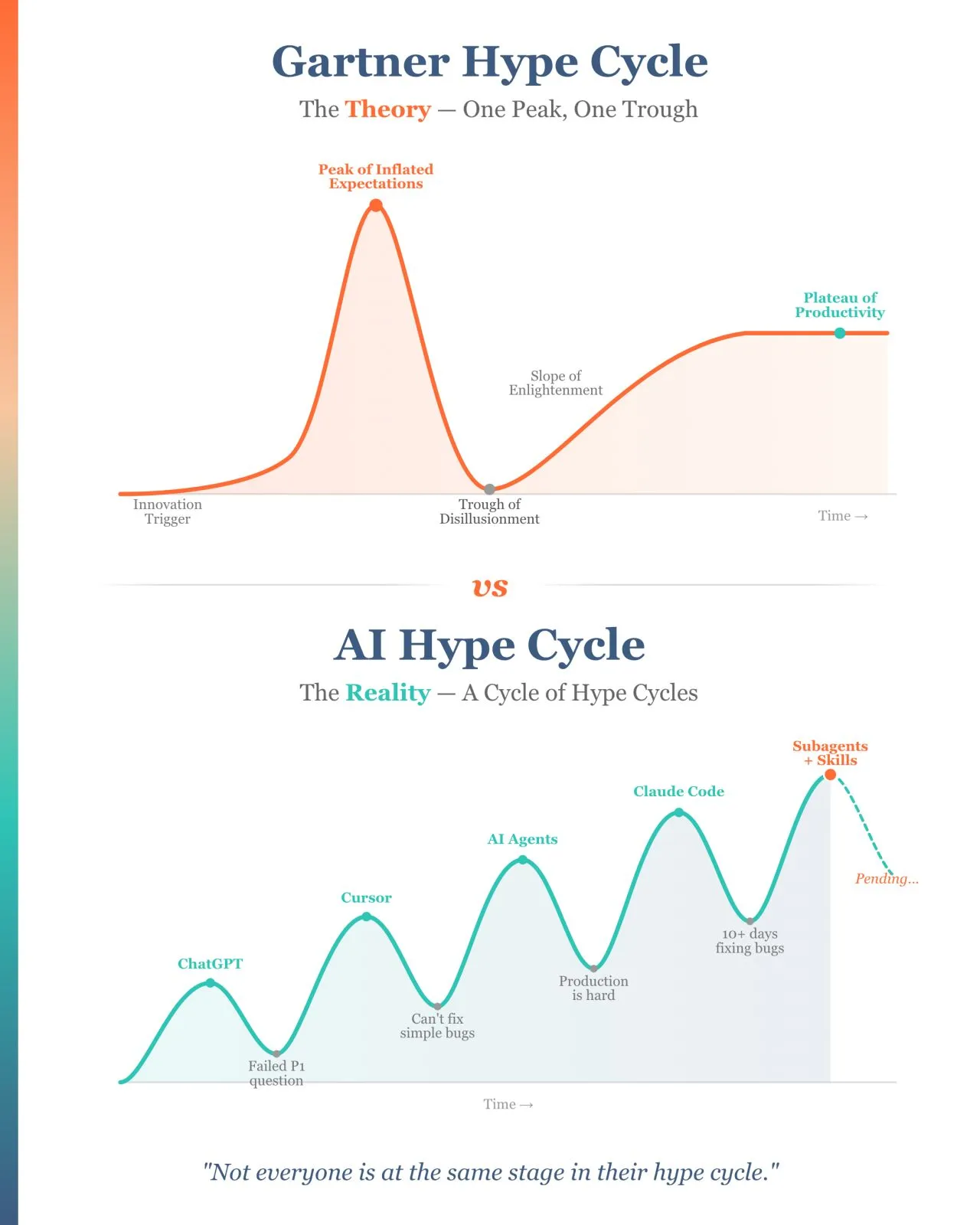
I think we are overestimating the short-term impact of AI but underestimating the long-term impact again like what we did with other transformative technologies, like what Amara’s Law proposed.
There are 2 articles going viral now with opposite views:
We probably wouldn’t know who is right or wrong until after 5 to 10 years. But my prediction is both could be right at the same time.
I’m not sure who cares about my prediction. I wrote this to clear my own thinking and share it if it helps anyone.
Gartner plots the hype cycle as one peak and one trough.
My experience with AI is actually many peaks and troughs. A cycle of hype cycles.
And I can identify some of my peaks and troughs:
- Peak: First used ChatGPT
Trough: It failed to answer my kid’s Primary 1 question
- Peak: First tried Cursor
Trough: It couldn’t solve some simple bugs
- Peak: First tried AI agents with n8n
Trough: Building a production workflow is non-trivial
- Peak: Claude Code built my app in 3 days
Trough: Spent 10+ days fixing subscription bugs
- Peak: Used subagents + skills to build another app
Trough: Pending
I’m probably at a peak right now. I know it.
I can see it is possible to use subagents + skills to automate not only product development, but marketing, sales, and ops - if you can write your workflow in markdown.
Not everyone is at the same stage in their hype cycle. This I think answers why views on AI are so polarizing.
Next time someone claims AI is incredibly powerful or completely overhyped, run through these questions.
-
Are they a marketer selling AI?
-
Are they an influencer farming engagement?
-
What tools have they used? Free tier, basic subscription, or power user?
-
What have they actually built or shipped with AI?
-
Are they already automating their own processes?
Enjoyed this? Subscribe for more.
Practical insights on AI, growth, and independent learning. No spam.
More in Tech & Startup
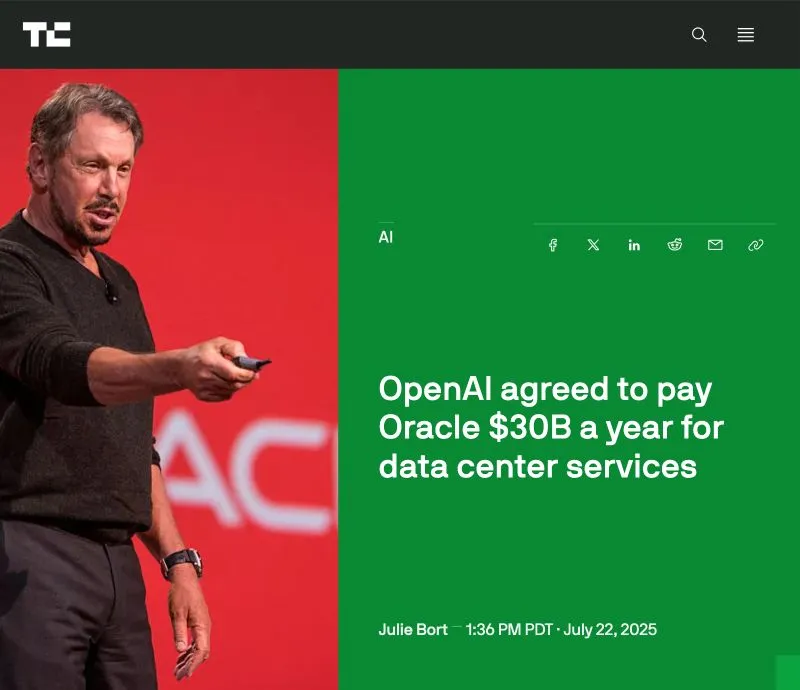
The Circular Money Loop Behind OpenAI’s Funding
It goes one round. Oracle buys GPUs from Nvidia, and Nvidia invests in OpenAI. 😂
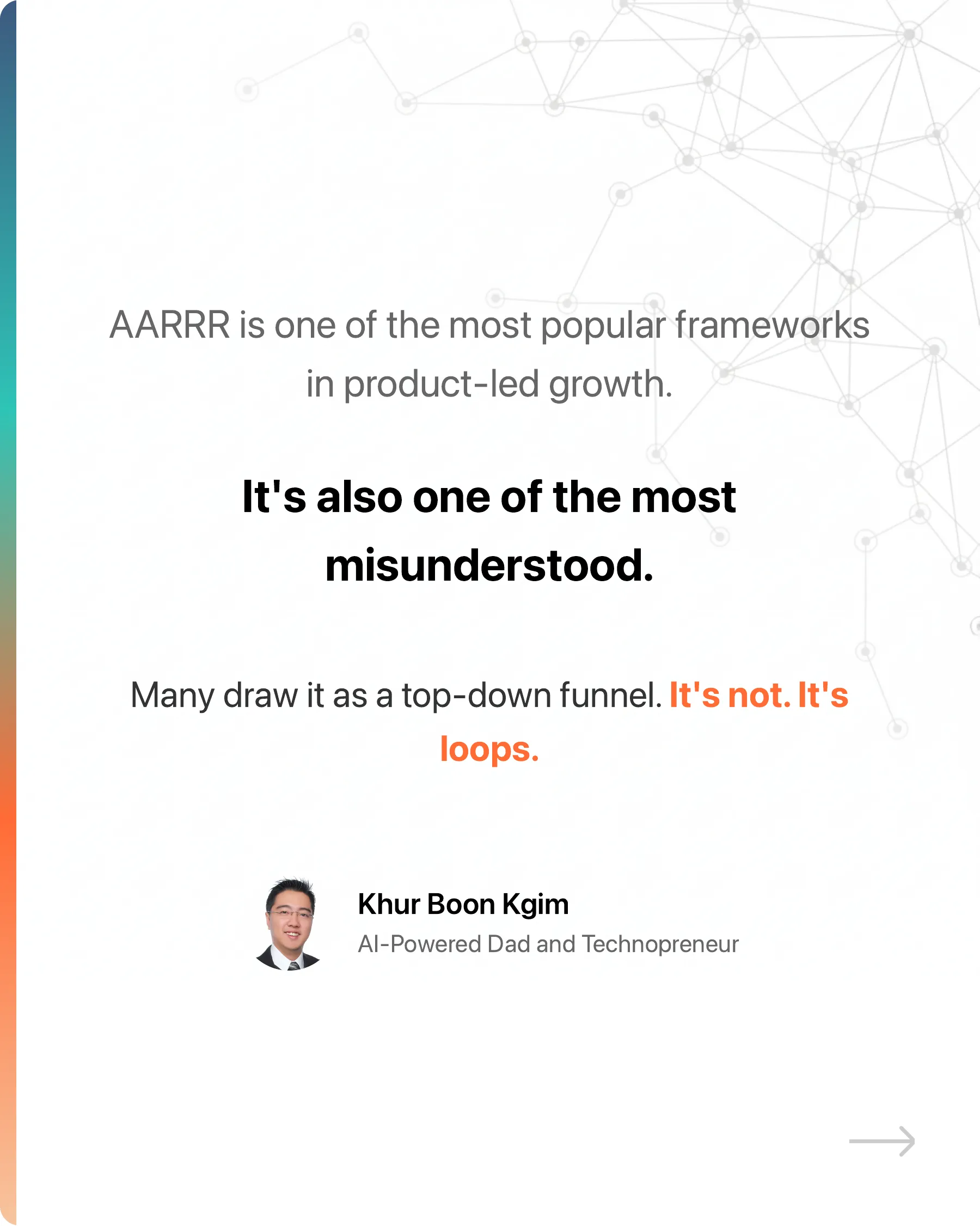
Most startups' growth stalls because they pour users into a leaky bucket.
That is why you should look at AARRR not as a funnel but as loops.
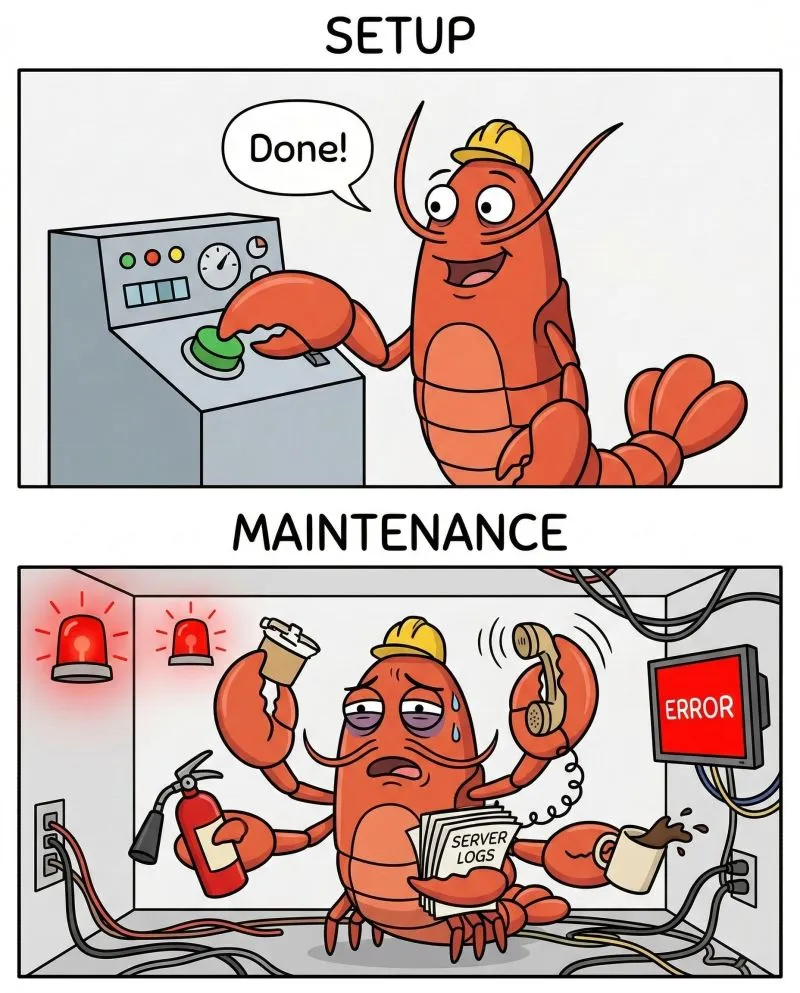
Everyone tells you how easy it is to set up an AI agent with OpenClaw.
Nobody tells you how hard it is to maintain it.
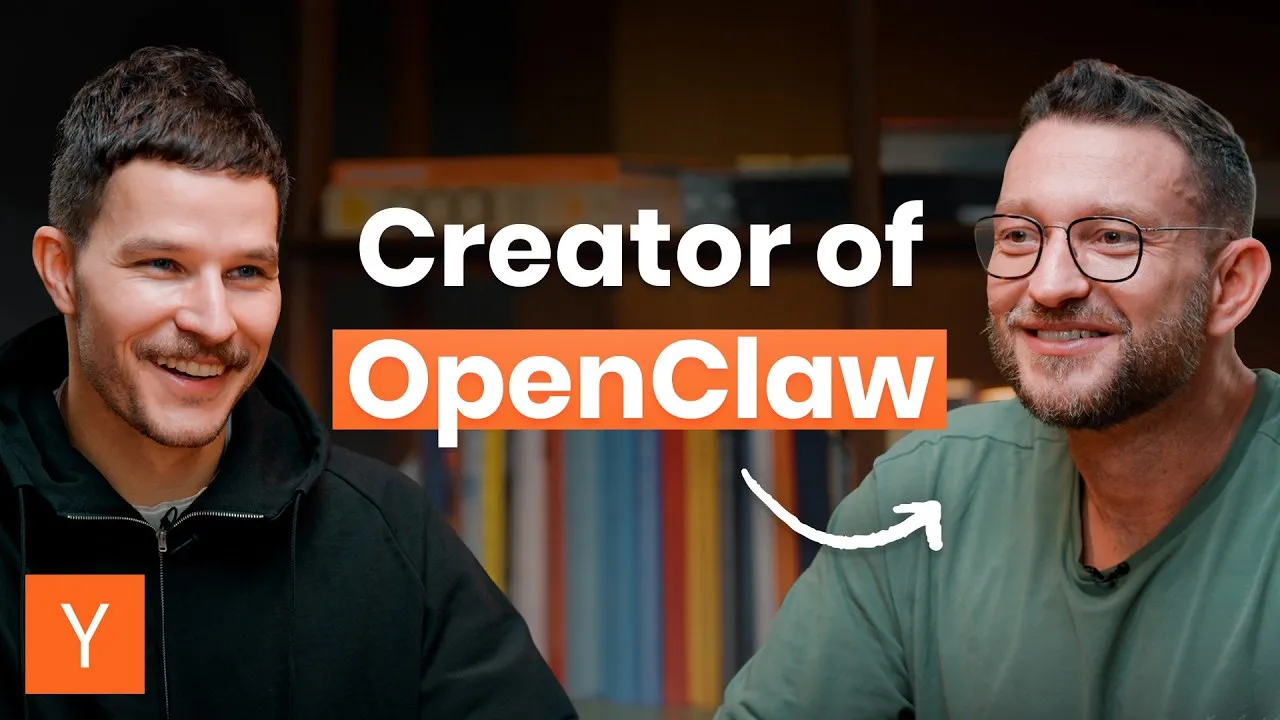
OpenClaw Creator: Why 80% Of Apps Will Disappear
If you are still thinking OpenClaw is just hype, you should watch this interview with Peter Steinberger.
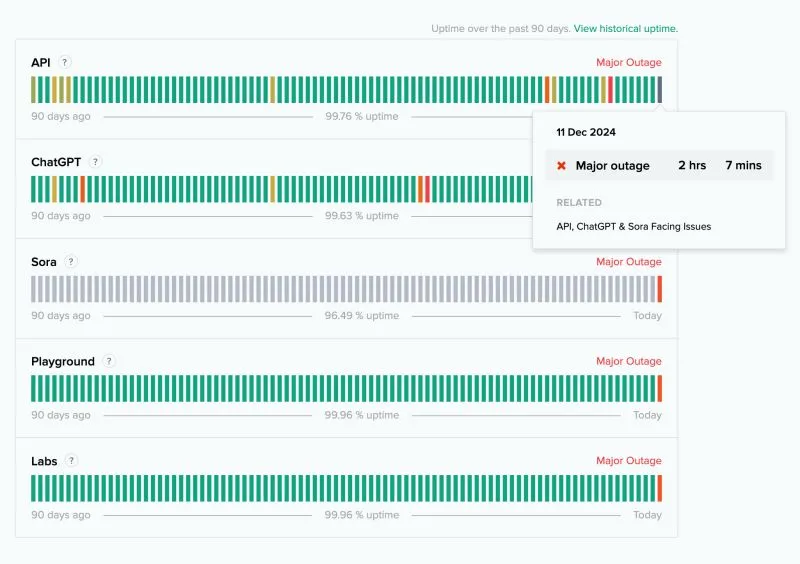
**GenAI Pitfalls**
ChatGPT has recently encountered various outages. These outages took down our AI services and disrupted business operations, both for us and our clients.

How the Rule of Thirds Improved My UI Design
In Steve Jobs' famous "connecting the dots" speech at Stanford,
The Circular Money Loop Behind OpenAI’s Funding
It goes one round. Oracle buys GPUs from Nvidia, and Nvidia invests in OpenAI. 😂
Everyone tells you how easy it is to set up an AI agent with OpenClaw.
Nobody tells you how hard it is to maintain it.
How the Rule of Thirds Improved My UI Design
In Steve Jobs' famous "connecting the dots" speech at Stanford,
Most startups' growth stalls because they pour users into a leaky bucket.
That is why you should look at AARRR not as a funnel but as loops.
OpenClaw Creator: Why 80% Of Apps Will Disappear
If you are still thinking OpenClaw is just hype, you should watch this interview with Peter Steinberger.
**GenAI Pitfalls**
ChatGPT has recently encountered various outages. These outages took down our AI services and disrupted business operations, both for us and our clients.