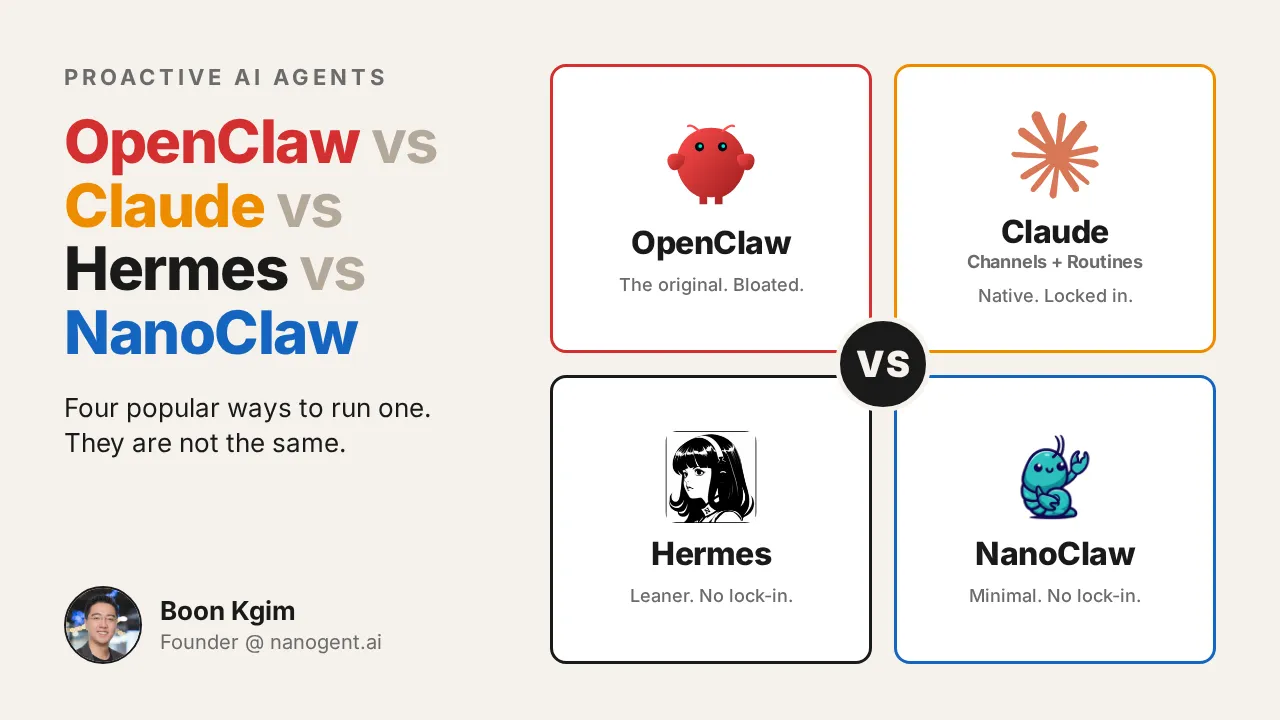
OpenClaw vs Claude vs Hermes vs NanoClaw
If you have used Claude Code heavily, you saw it immediately: OpenClaw is a chat wrapper on top of CLI agents like Claude Code and Codex. So I dismissed it a...
When I first heard about OpenClaw, I wasn’t impressed.
If you have used Claude Code heavily, you saw it immediately: OpenClaw is a chat wrapper on top of CLI agents like Claude Code and Codex. So I dismissed it as another AI hype that would die off fast.
It didn’t. The movement grew so big that I got curious and joined a few sessions by Claw Singapore, trying to work out why it went viral.
My opinion that it is “just a chat wrapper” still stands. But I started to see past the hype. Its innovation is not in the tech. It is in two concepts:
- It turned AI agents from reactive to proactive. A normal CLI agent waits for your prompt. OpenClaw let the agent start the conversation: run on a schedule, watch for an event, finish a long task and ping you when it is done.
- It moved AI agents from the terminal to a chat interface people already live in. Claude Code lives in a black window most people will never open. OpenClaw put the same agent inside Telegram and WhatsApp, where a non-developer can talk to it the same way they text a friend.
Give credit where it is due. Those two ideas are real. But they are no longer special. Every option below now copies them. Which is exactly why the comparison is now interesting.
What changed
For most people, OpenClaw was the proactive-agent tool. Alternatives already existed, but they were niche. Two things pushed them into the open.
First, the block. On April 4, 2026, Anthropic blocked Claude Pro and Max subscribers from running their subscription through third-party harnesses like OpenClaw. The reason was cost: third-party tools bypass Claude’s prompt caching, which makes them far more expensive to run per session. An estimated 135,000+ OpenClaw instances were affected overnight. (Anthropic has since given paid subscribers limited Agent SDK credits to use third-party harnesses again, but the credits do not stretch far.)
That block sent people looking for alternatives that were already there. Hermes, an open-source agent from Nous Research, surged, because it worked with OpenAI subscriptions out of the box, better than OpenClaw did. People moving off Claude went to their ChatGPT plan, and Hermes handled the responses from those models correctly where OpenClaw broke. I broke that shift down at the time.
Read it here: Will Hermes Agent replace OpenClaw?
Second, Anthropic shipped its own native answer: Channels and Routines, built directly into Claude Code. No third-party harness to fight.
So today there are many ways to run a proactive agent you can talk to from a normal chat app, including coding one yourself, which is what I did for some of my own workflows. But four have become the popular, off-the-shelf choices, and they are not the same. Hermes and NanoClaw are not new arrivals riding OpenClaw’s stumble. They predate Anthropic’s native features. They are simply getting the attention they deserve now that OpenClaw is no longer the default.
I have tested these tools and read their source code. Here is the honest breakdown.
1. OpenClaw: the connector
What it is: The original viral project. 376K+ GitHub stars, now run by an independent foundation after creator Peter Steinberger joined OpenAI in February 2026.
USP: Reach. 23+ messaging channels (WhatsApp, Telegram, Slack, Discord, Signal, iMessage, Teams, LINE, WeChat) across macOS, Linux, Windows, iOS, and Android. Model-agnostic. If you need your agent on a niche platform, OpenClaw is probably the only one that has it.
Pros: - Widest platform and model coverage by far - Huge community plus a skill registry (ClawHub) with 65K+ community-built skills - Memory stored as plain Markdown files you can open, read, and edit
Cons: - Bloated. It bakes in dependencies you do not need. If you only want Telegram, you still install every other channel. - Fragile updates. I once had an update break because of missing dependencies in Lark and other channels I do not use. - The breadth that made it spread is also what makes it heavy.
Best for: People who need an agent on many platforms at once and do not mind managing a large codebase.
2. Claude Channels + Routines: the native option
What it is: Anthropic’s official answer, launched after the ban. Channels connect Claude Code to Telegram and other chat apps. Routines let you build proactive agents that act on a schedule or a trigger.
USP: It is native, and it runs on the Claude subscription you already pay for. If you are on Claude Pro or Max, this is the natural option: no third-party harness to fight, and the setup takes about five minutes.
Pros: - Cleanest, officially supported setup - Runs on your existing Claude Pro or Max subscription, no extra tooling or separate billing - No bloated codebase to maintain
Cons: - Vendor lock-in. You are tied to Anthropic. No swapping to GPT or open models. - Still in research preview, so the feature set is younger than the others.
Best for: People already all-in on Claude who want the simplest setup and do not care about model independence.
3. Hermes: the agent that learns
What it is: An open-source agent from Nous Research, 176K+ stars (up from 32K in April, on the back of the OpenClaw block), written in Python. Its tagline is “the agent that grows with you.”
USP: Memory and self-improvement. Where OpenClaw treats an agent as a system to orchestrate, Hermes treats it as a mind to develop. It stores memory in a searchable database, builds a model of how you work across sessions, and autonomously writes reusable skills after completing complex tasks. The more you use it, the better it gets.
Pros: - Native, hands-off learning that compounds on repeated work - Model-agnostic. During the ban it worked with OpenAI subscriptions out of the box, better than OpenClaw, which is what made it trend. - Strong multi-agent orchestration: a coordinator can route a task to the agent with the most relevant skill
Cons: - Fewer channels (7+ versus OpenClaw’s 23+). No iMessage, Teams, or LINE yet. - The learning payoff shows up after 20 to 30 repeated tasks, not on day one. - The evolving, self-improving design suits individuals, not businesses that want a fixed, predictable agent. If you need consistent, auditable behavior, an agent that rewrites its own skills works against you.
Best for: People who do the same kinds of tasks repeatedly (writing, research, coding workflows) and want an agent that gets sharper over time.
4. NanoClaw: the minimalist
What it is: A deliberately tiny alternative to OpenClaw (29K+ stars). Roughly 15 source files you can read in an afternoon, versus OpenClaw’s sprawling dependency tree.
USP: Simplicity and security. It uses real OS-level container isolation instead of application-level permission checks, and it is small enough to fully audit and customize. Channels are installed on demand, so you only run what you use. That is the exact opposite of OpenClaw’s bake-everything-in approach.
Pros: - Tiny, auditable codebase. No bloat, no surprise dependency breaks. - Genuine container isolation for security - Model-flexible: Claude-native via the Agent SDK, with OpenAI, OpenRouter, Google, DeepSeek, and local Ollama models as drop-in options - More than a dozen channels, each installed only when you add it
Cons: - Newer and smaller community than OpenClaw or Hermes - Fewer batteries included. You assemble what you need, which is also the point.
Best for: Developers who want to understand and trust every line their agent runs, and who were burned by OpenClaw’s bloat.
The two questions that actually decide it
Ignore the feature lists. Two questions settle this:
- Do you need model independence? If yes, your options are OpenClaw, Hermes, or NanoClaw. If you are happy on Claude, Channels + Routines is the cleanest path.
- How much weight can you tolerate? OpenClaw is the heaviest. NanoClaw is the leanest. Hermes sits in between but adds a learning layer. Claude native gives you no codebase to maintain at all.
Almost everything else (channel count, memory style, community size) follows from those two answers.
So what should you actually do
If you are still fighting OpenClaw’s architecture out of habit, stop. The market moved.
- Want the cleanest setup and don’t mind vendor lock-in? Claude Channels + Routines.
- Want the broadest platform reach and don’t mind the bloat? Stay on OpenClaw.
- Want an agent that learns your patterns over time? Hermes.
- Want a tiny, secure, auditable agent with no lock-in? NanoClaw.
For most people this was OpenClaw or nothing. Now it is a real choice, and the only wrong move is not reassessing.
If you want the official, no-bloat route, I wrote a step-by-step guide to connecting Claude Code to Telegram using channels.
Read it here: How to connect Claude Code to Telegram the official way
#AI #NanoClaw #ClaudeCode #OpenClaw #HermesAgent
Enjoyed this? Subscribe for more.
Practical insights on AI, growth, and independent learning. No spam.
More in AI Agents

Can LLMs like ChatGPT do reasoning? It failed my casual tests in under 30 minutes.
… more
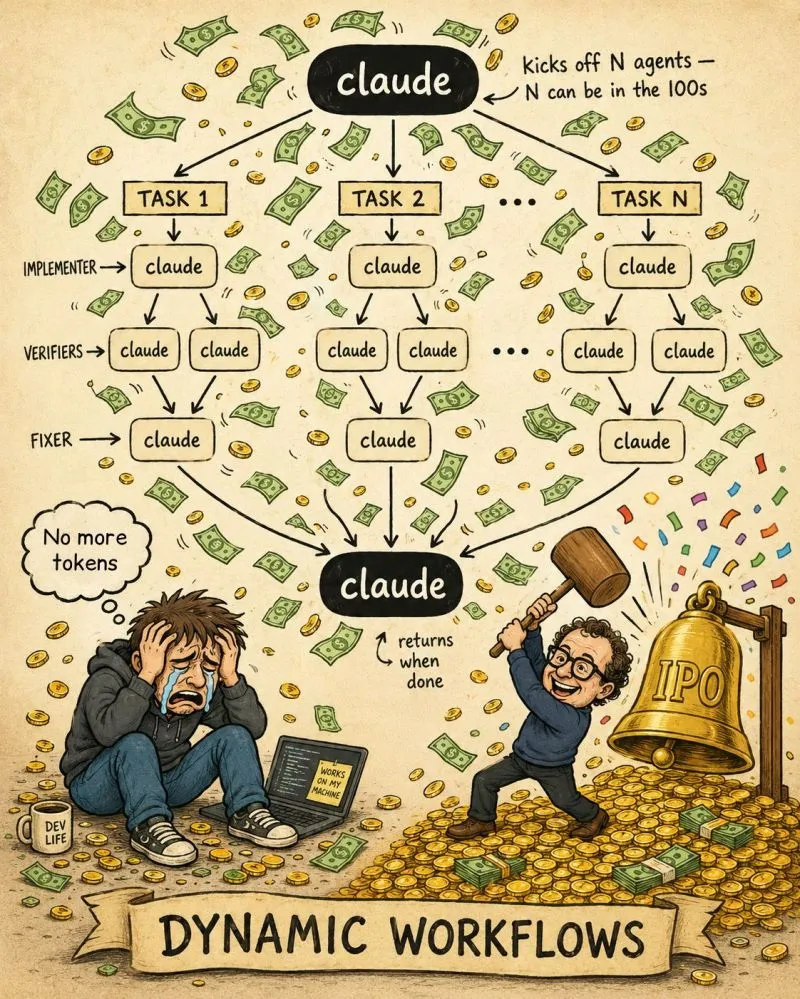
If you are new to Claude Code, turn off dynamic workflows before they burn through your usage limit.
Last week in my workshop, this caught a few learners off guard. One prompt spun up 100+ agents to research "AI patterns to avoid in web design," and burned t...
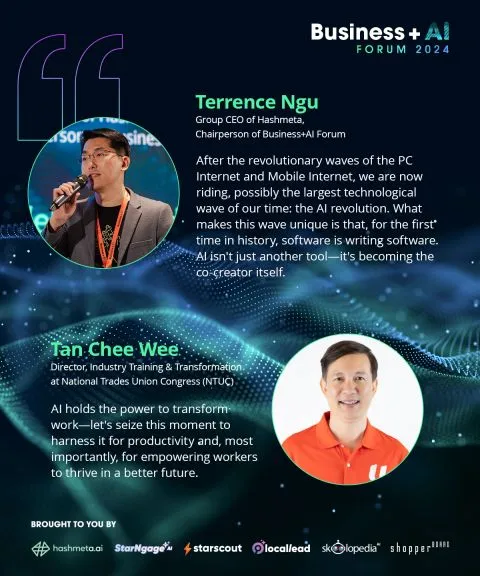
From insight to action: AI is not the future—it’s the now.
At the Business+AI Forum 2024, our speakers shared groundbreaking insights on how AI is transforming industries, creating opportunities, and solving real-wor...
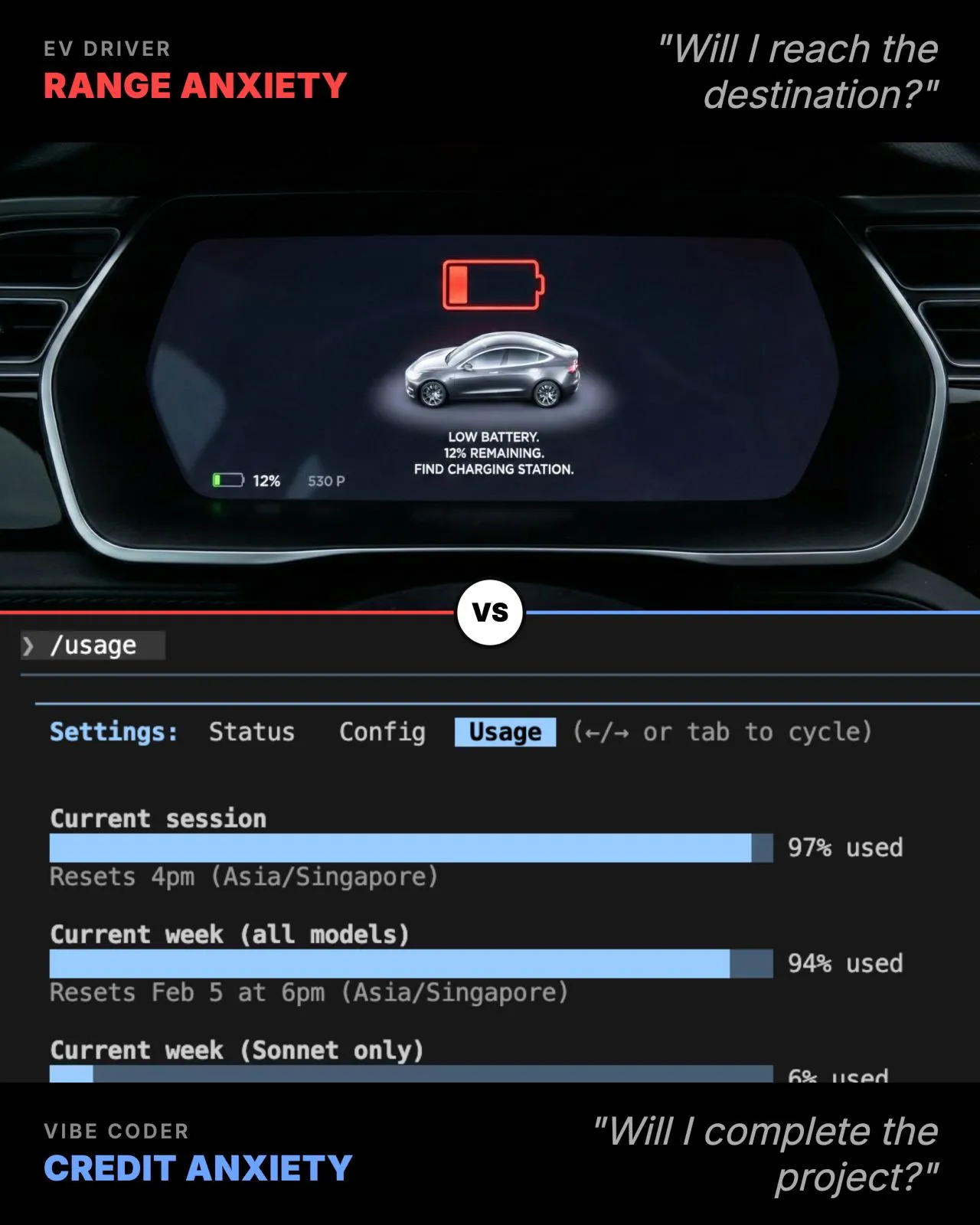
Range vs Credit Anxiety. Anyone? 🤪
If you have read my previous posts, I have shared how Claude Code performance tanks once your code and best practices hit a certain size due to context bloat...
Can AI really write production-quality code?
Here's a chance to peek how it is used in an actual project.
Your RAG System's Real Problem Isn't Hallucination
Two top common root causes are:
Can LLMs like ChatGPT do reasoning? It failed my casual tests in under 30 minutes.
… more
From insight to action: AI is not the future—it’s the now.
At the Business+AI Forum 2024, our speakers shared groundbreaking insights on how AI is transforming industries, creating opportunities, and solving real-wor...
Can AI really write production-quality code?
Here's a chance to peek how it is used in an actual project.
If you are new to Claude Code, turn off dynamic workflows before they burn through your usage limit.
Last week in my workshop, this caught a few learners off guard. One prompt spun up 100+ agents to research "AI patterns to avoid in web design," and burned t...
Range vs Credit Anxiety. Anyone? 🤪
If you have read my previous posts, I have shared how Claude Code performance tanks once your code and best practices hit a certain size due to context bloat...
Your RAG System's Real Problem Isn't Hallucination
Two top common root causes are: