Your RAG System's Real Problem Isn't Hallucination
Two top common root causes are:
Tap a slide to expand
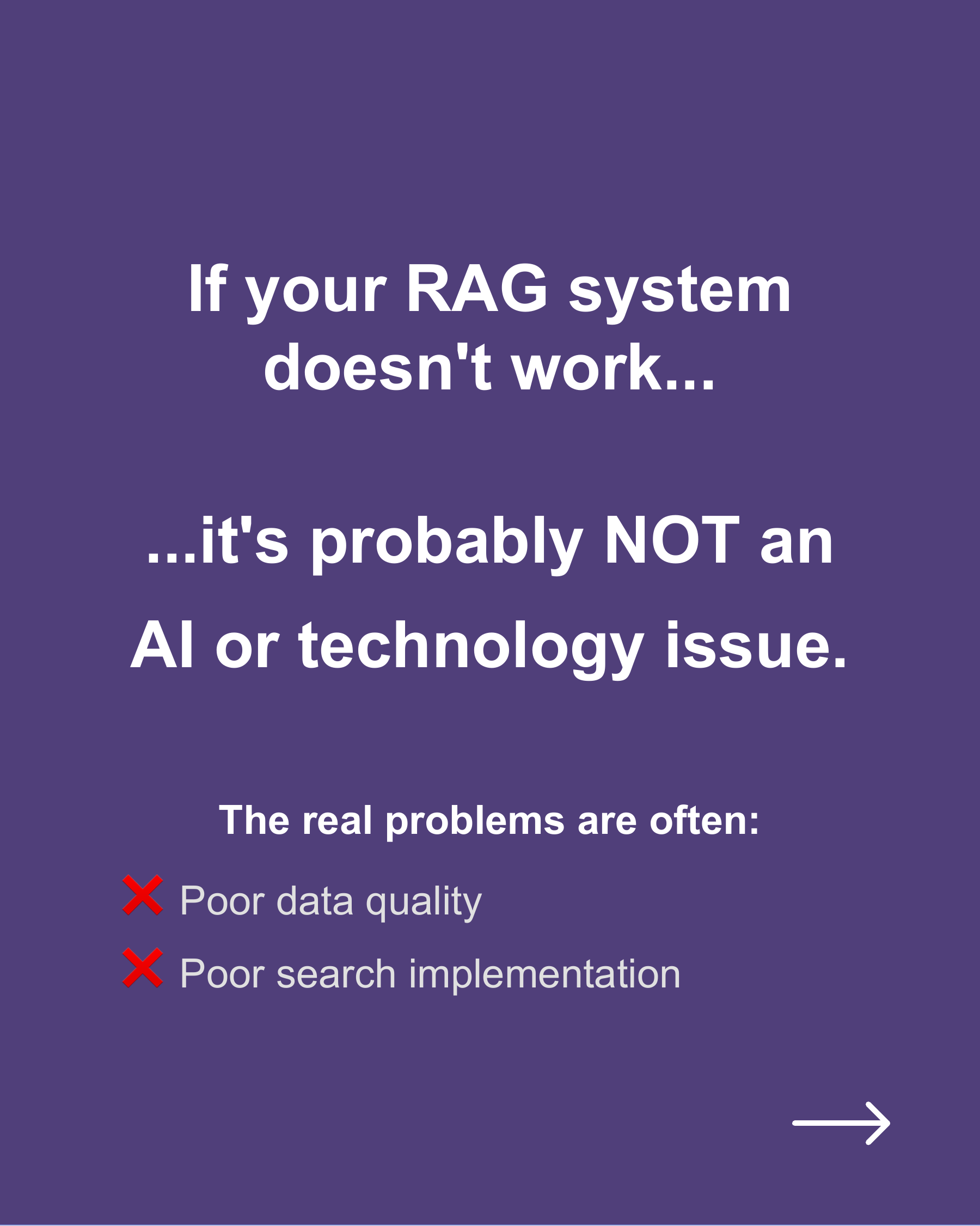
Two top common root causes are: → Poor data quality → Poor search implementation
Earlier, I shared tips about RAG search implementation: https://lnkd.in/gnWSTY9X
In this post, I would like to share on how to improve data quality with a 3-phase prioritization framework.
Note: All these are high impact and important prioritized by effort.
—
Phase 1 – Quick Wins (Low Effort)
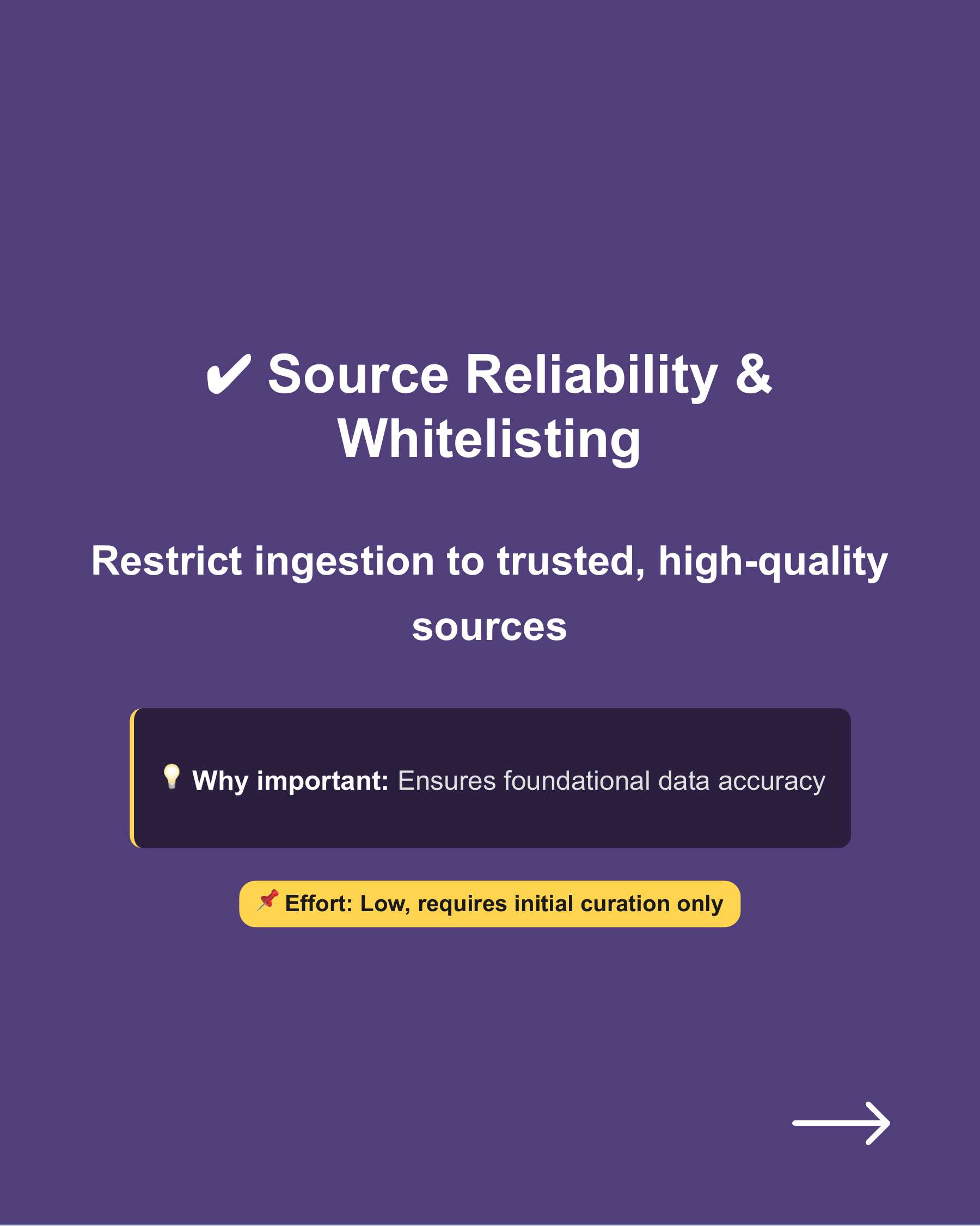
Source Reliability & Whitelisting → Restrict ingestion to trusted, high-quality data sources. → Why important: Ensures foundational data accuracy. → Effort: Low, requires initial curation only.
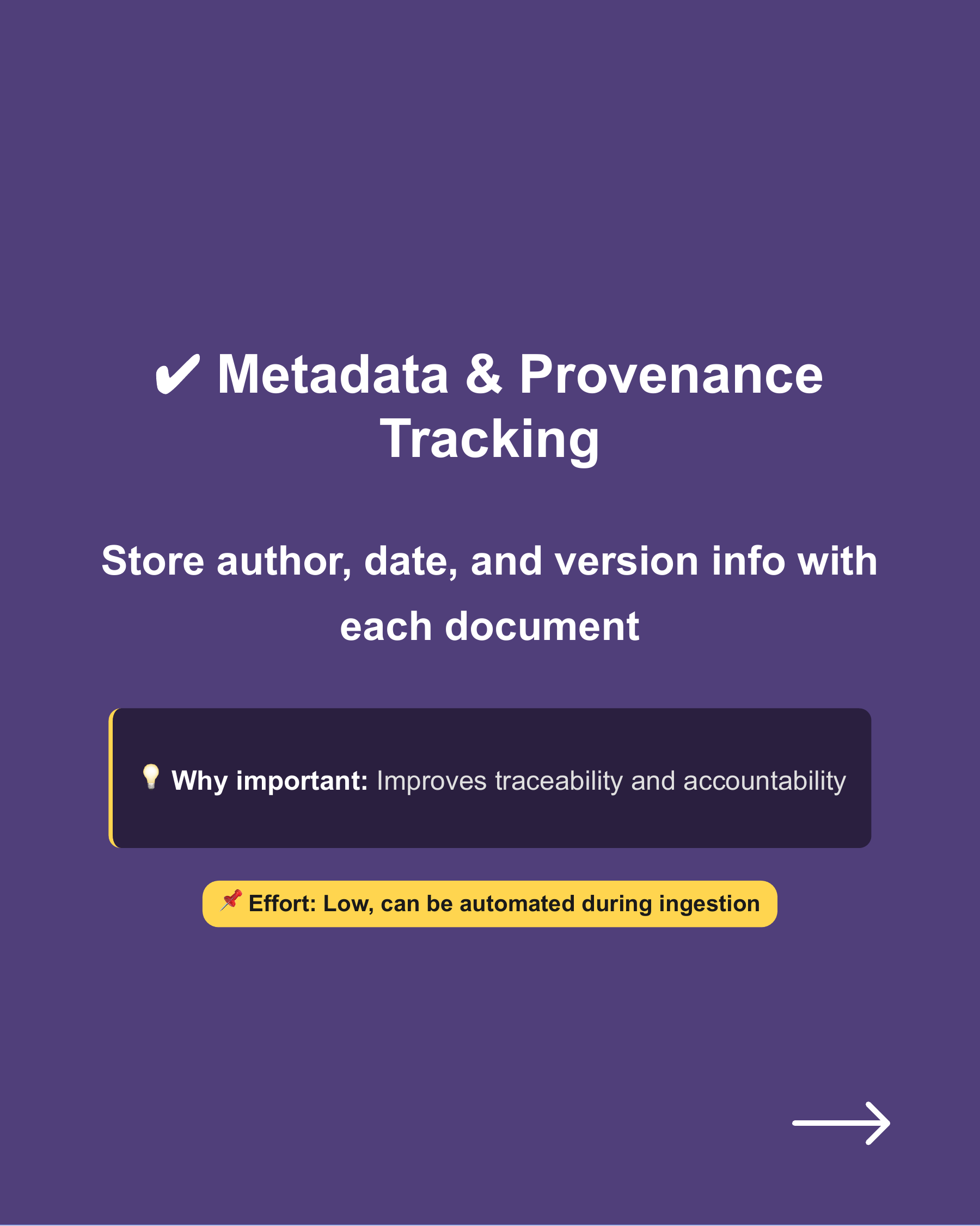
Metadata & Provenance Tracking → Store author, date, and version info with each document. → Why important: Improves data traceability and accountability. → Effort: Low, can be automated during ingestion.
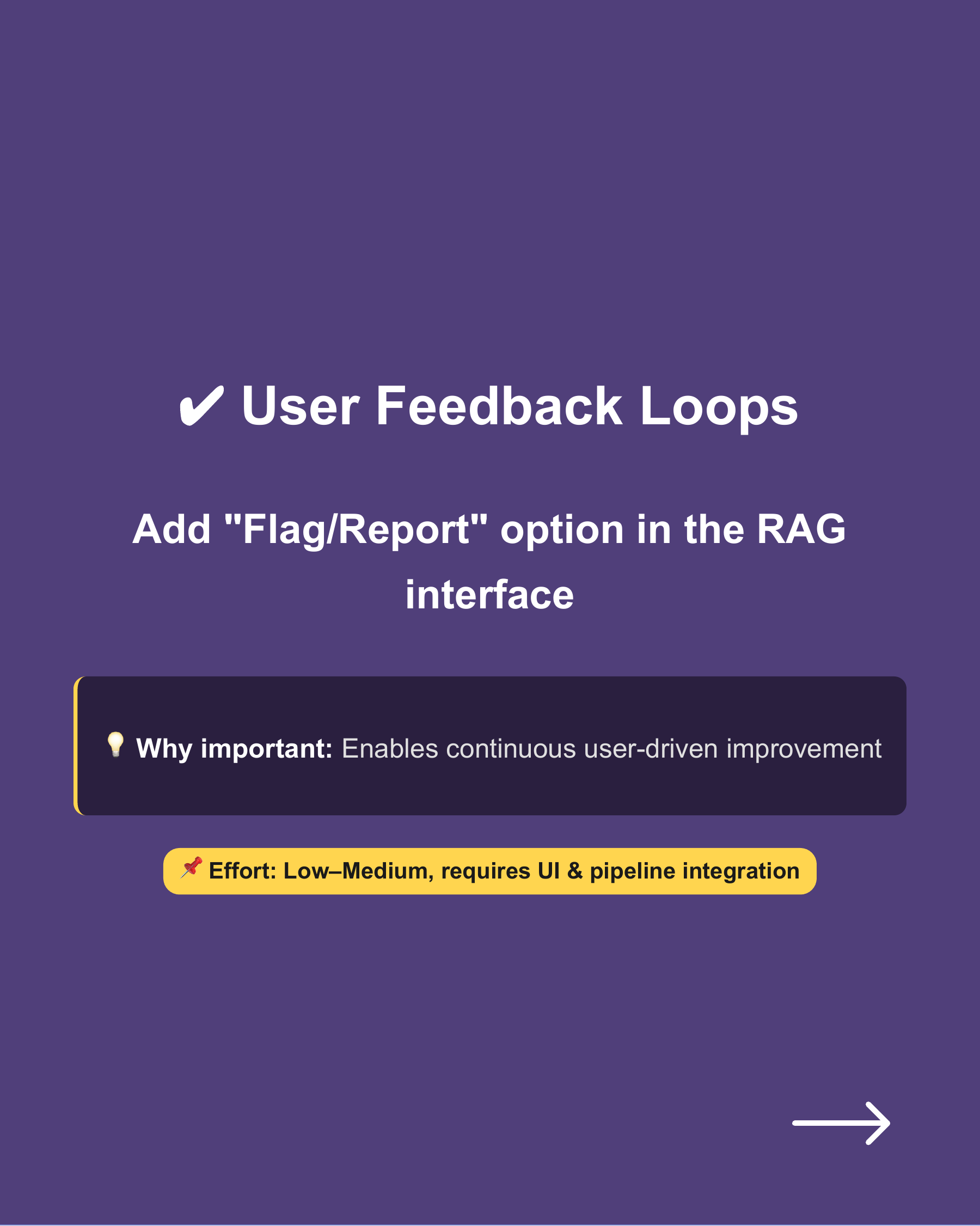
User Feedback Loops → Add “Flag/Report” option in the RAG interface. → Why important: Enables continuous user-driven improvement. → Effort: Low to medium, requires UI and pipeline integration.
—
Phase 2 – Medium-Term Enhancements (Medium Effort)
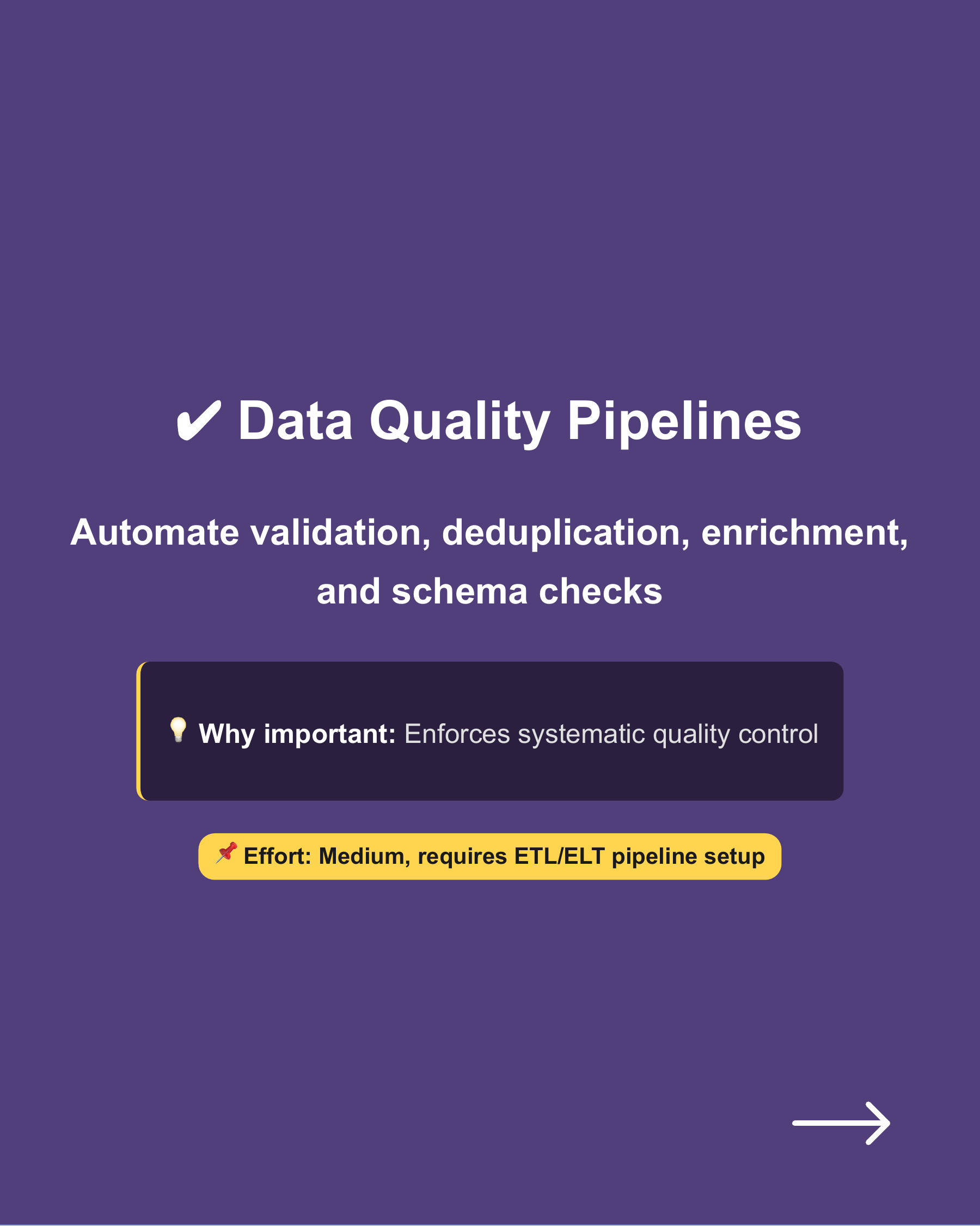
Data Quality Pipelines → Automate validation, deduplication, enrichment, and schema checks. → Why important: Enforces systematic quality control. → Effort: Medium, requires ETL/ELT pipeline setup.
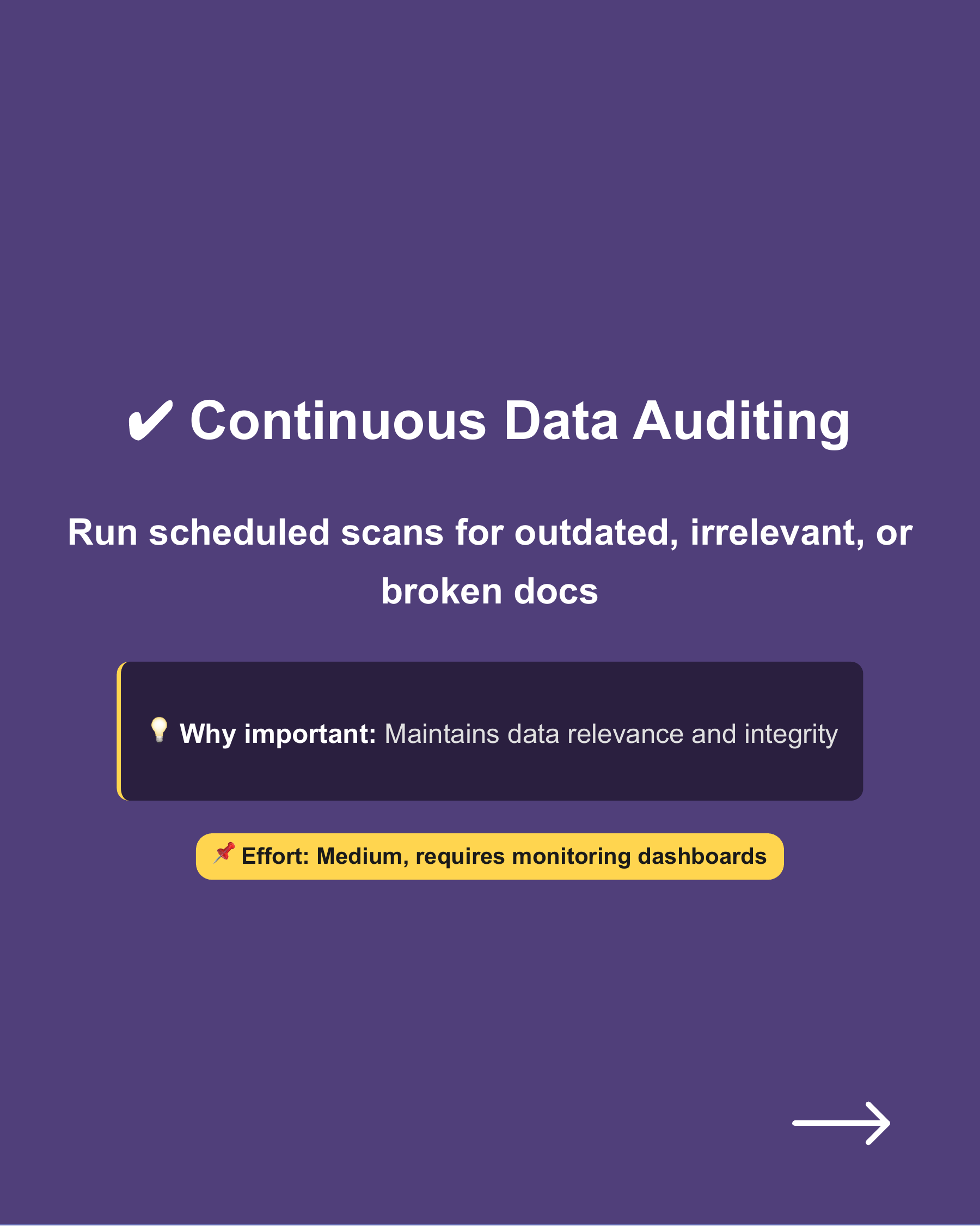
Continuous Data Auditing → Scheduled scans for outdated, irrelevant, or broken documents. → Why important: Maintains data relevance and integrity. → Effort: Medium, requires monitoring dashboards.
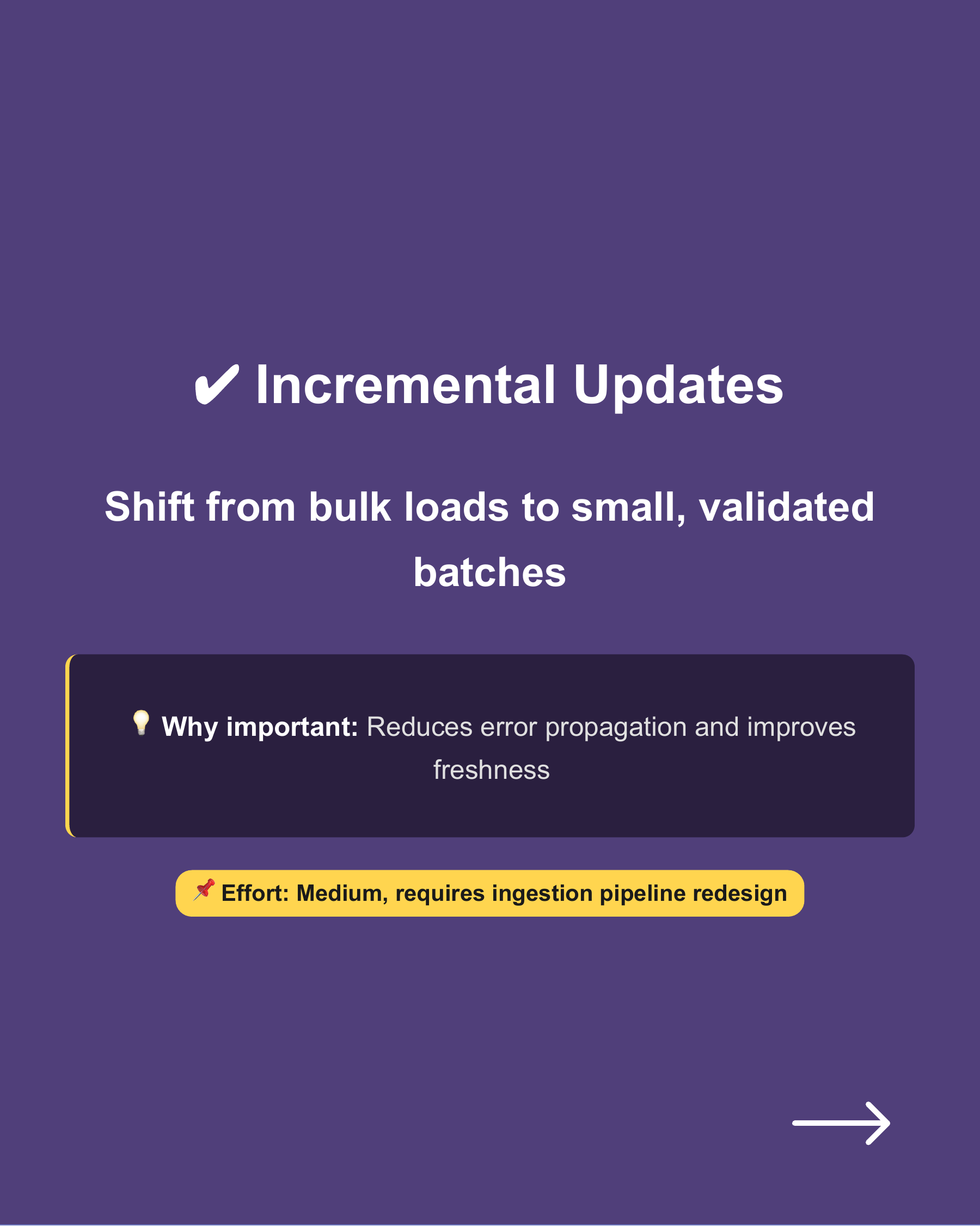
Incremental Updates → Shift from bulk loads to small, validated batches. → Why important: Reduces error propagation and improves freshness. → Effort: Medium, requires ingestion pipeline redesign.
—
Phase 3 – Long-Term Maturity (High Effort)
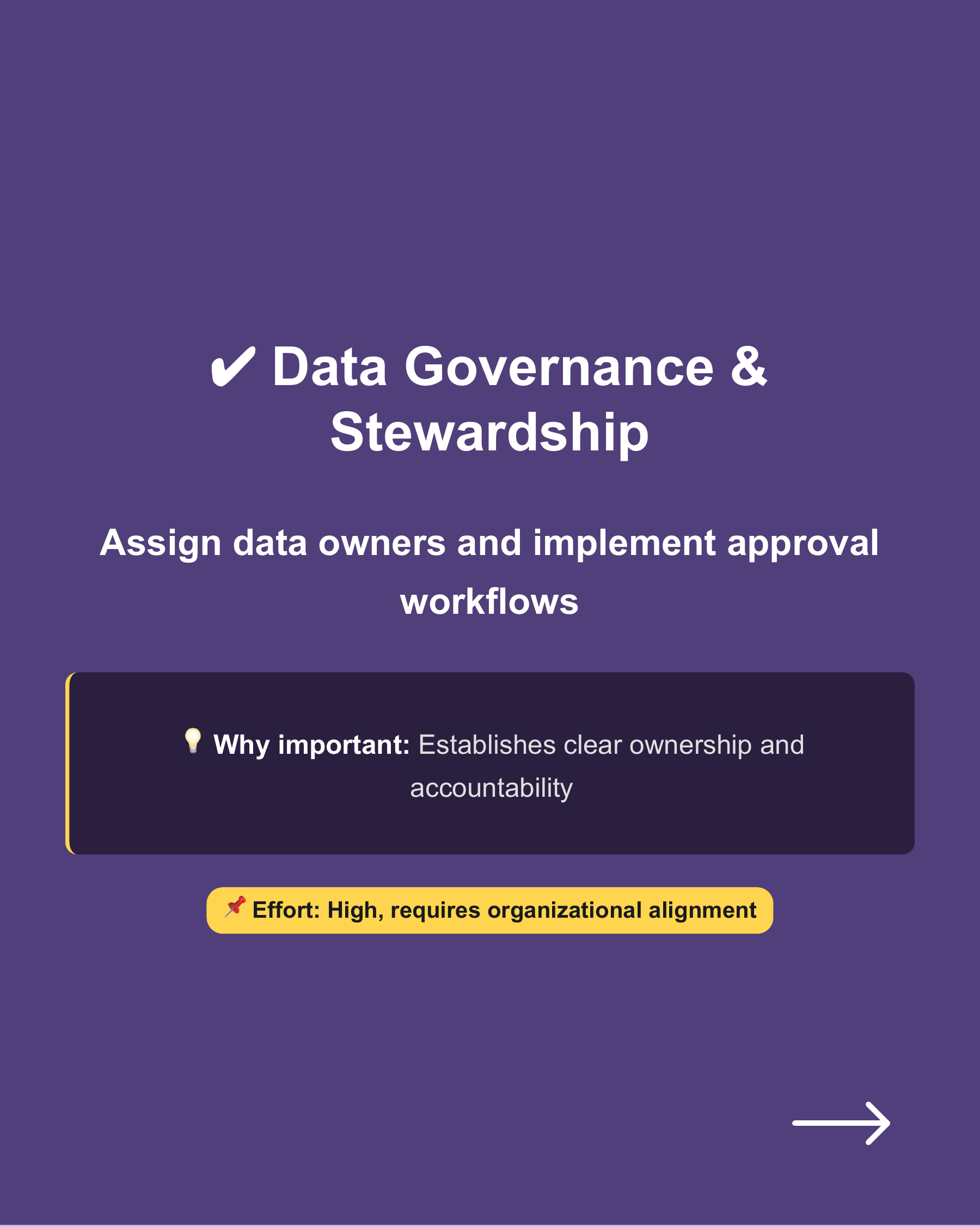
Data Governance & Stewardship → Assign data owners and implement approval workflows. → Why important: Establishes clear ownership and accountability. → Effort: High, requires organizational alignment.
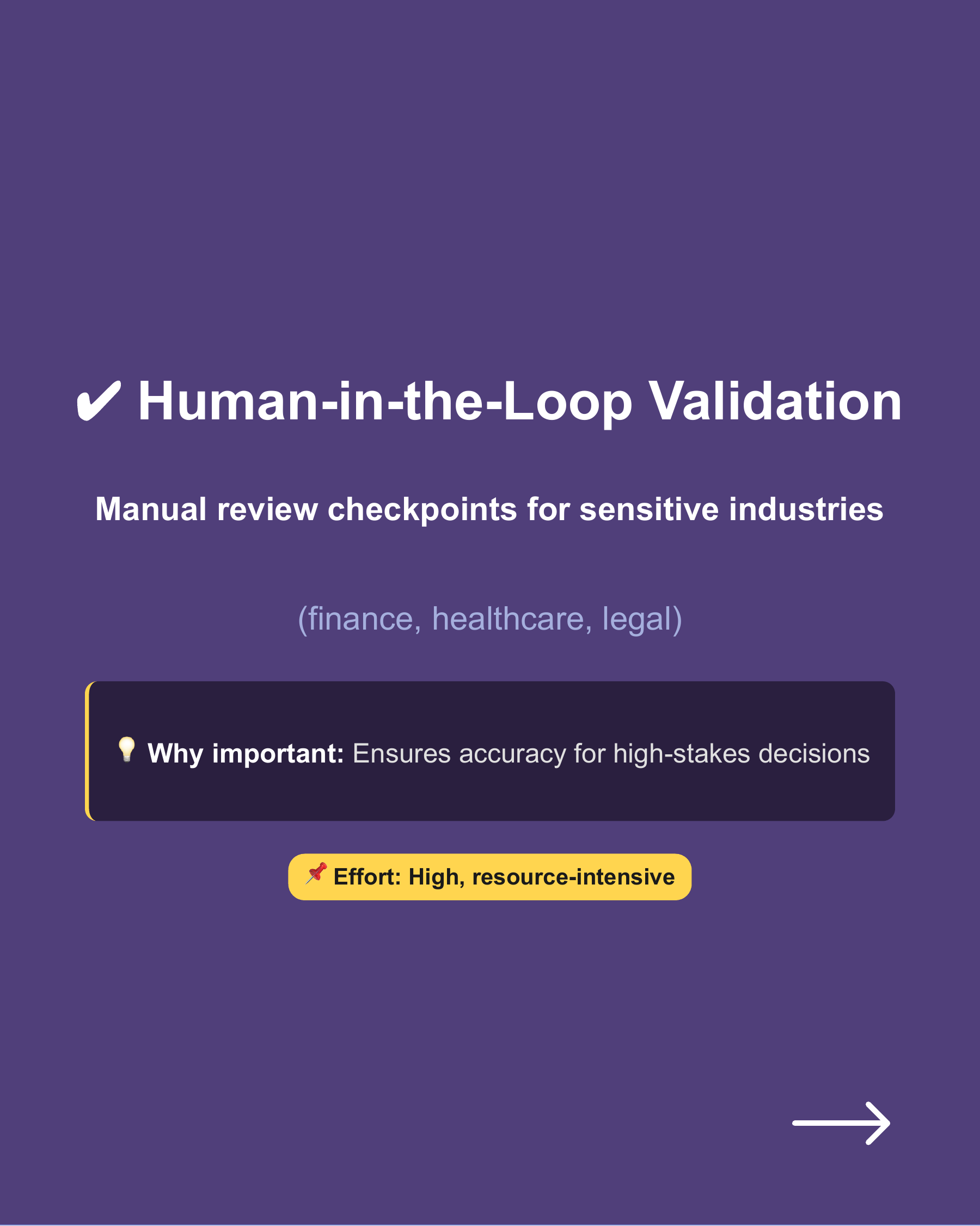
Human-in-the-Loop Validation for Critical Data → Manual review checkpoints for sensitive industries (finance, healthcare, legal). → Why important: Ensures accuracy for high-stakes decisions. → Effort: High, resource-intensive.
—
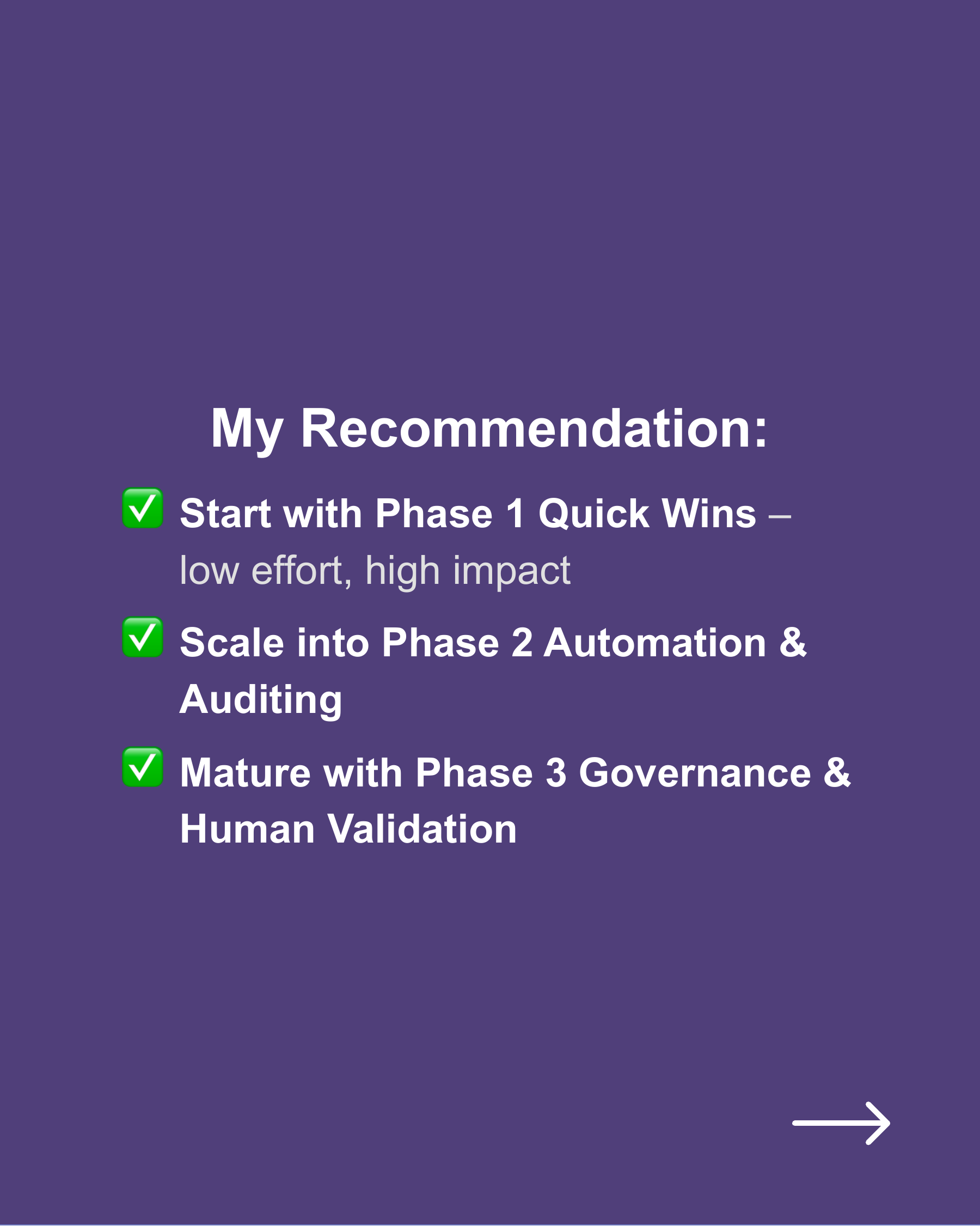
✅ Recommendation: → Start with Source Reliability, Metadata Tracking, and Feedback Loops (Phase 1, Low Effort) as they require minimal overhead. → Then scale into automated pipelines and auditing (Phase 2: Medium Effort) → Only then invest in formal governance and human validation (Phase 3: High Effort).
#RAG #LLM #EnterpriseRAG #GenAI #EnterpriseAI
Enjoyed this? Subscribe for more.
Practical insights on AI, growth, and independent learning. No spam.
More in AI Agents
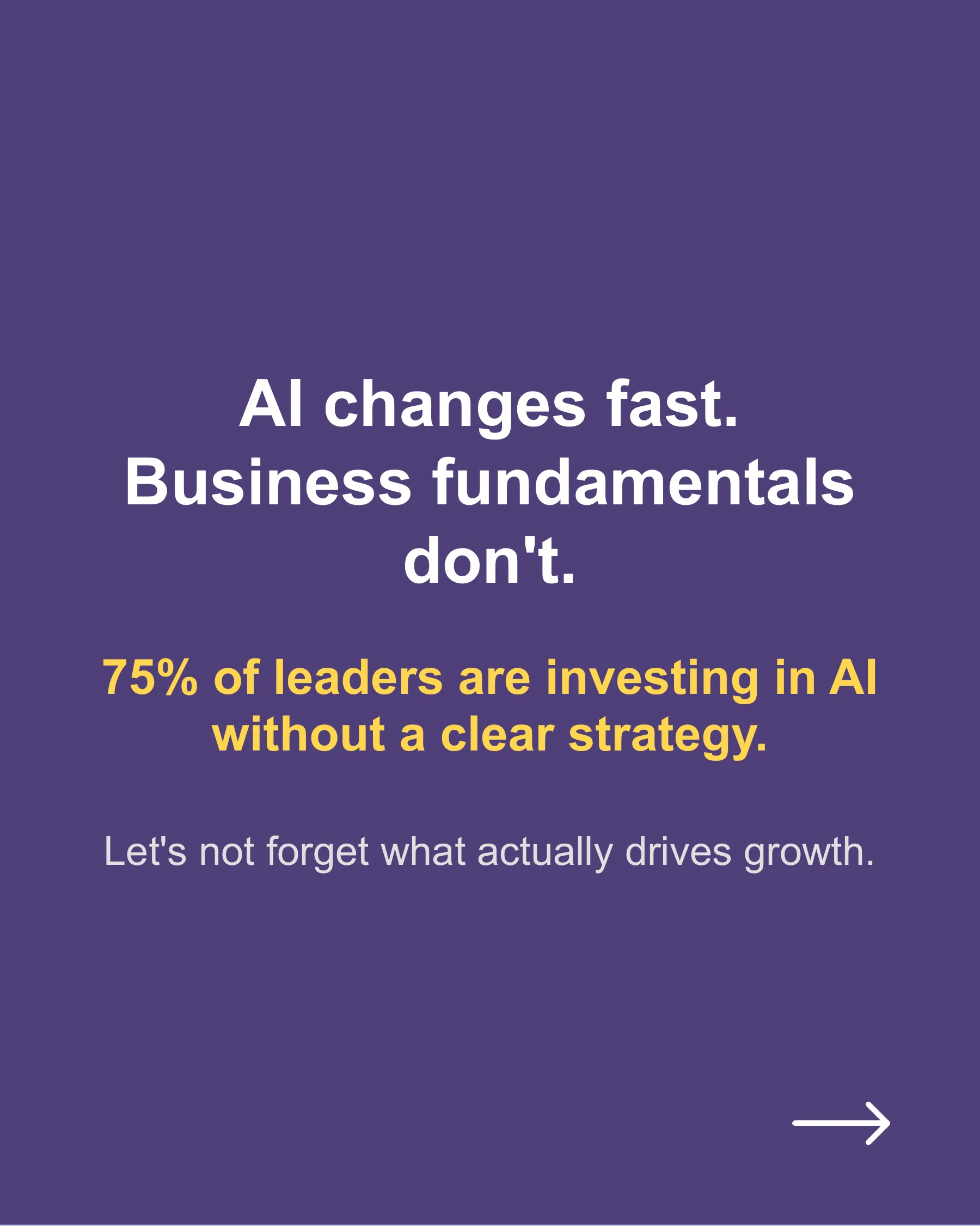
AI lets you automate tasks, but are you solving the right problem?
75% of business leaders admit they're investing in AI without a clear strategy.
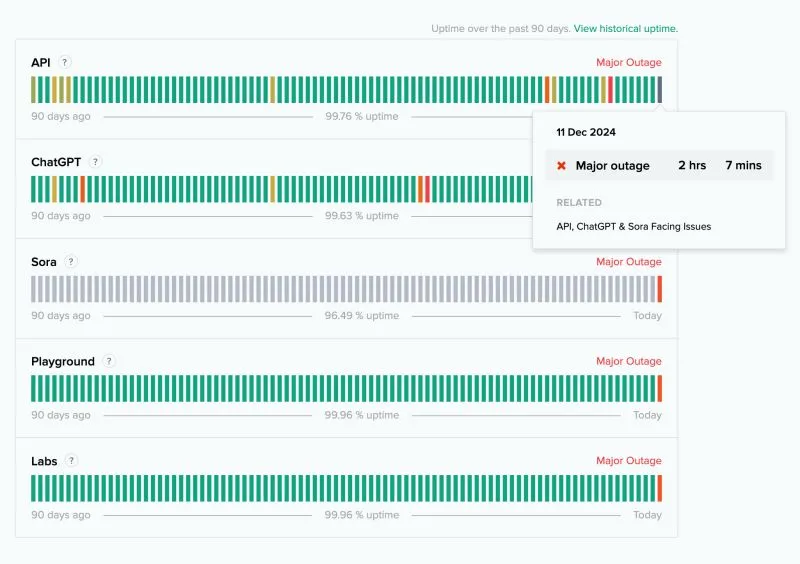
**GenAI Pitfalls**
ChatGPT has recently encountered various outages. These outages took down our AI services and disrupted business operations, both for us and our clients.
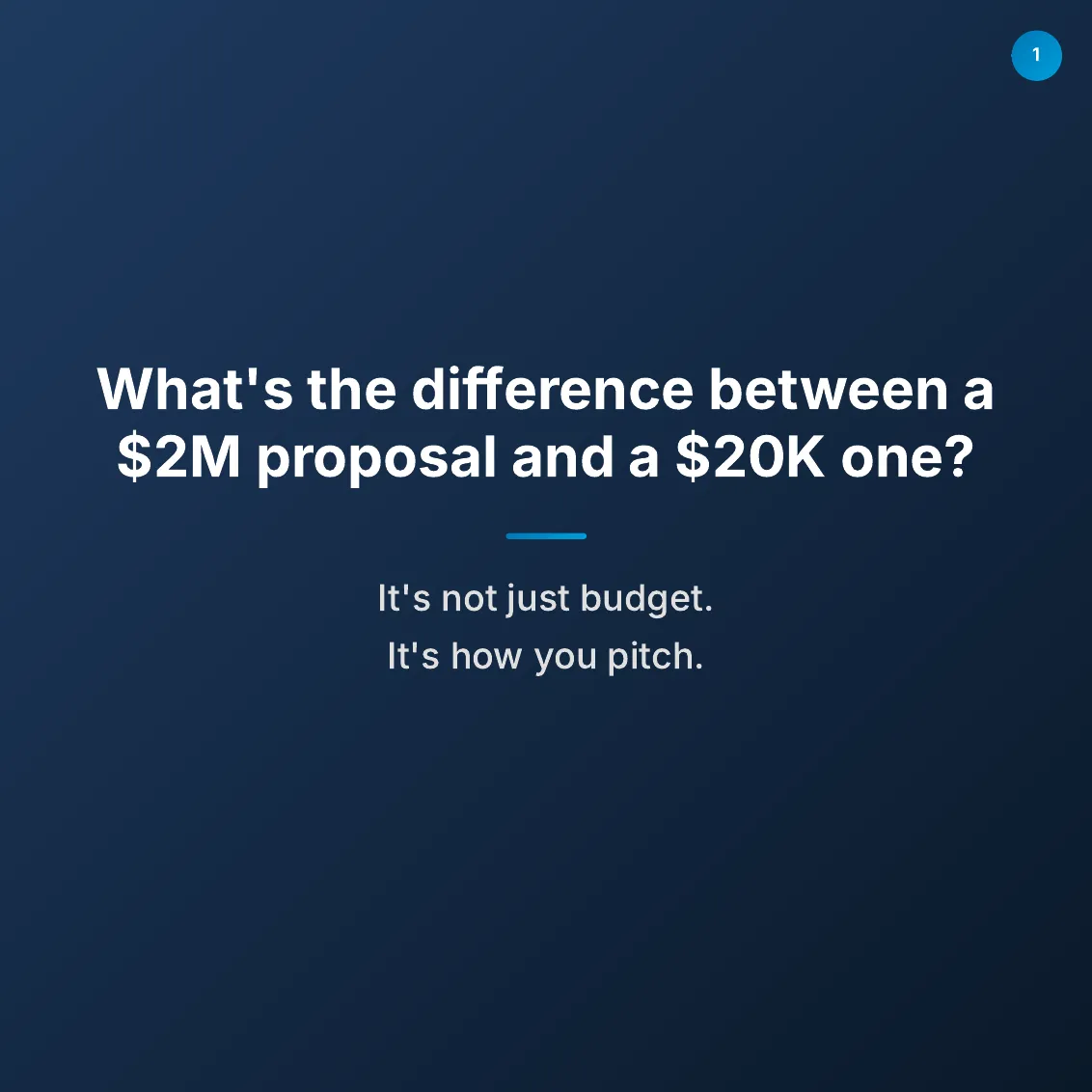
What is the difference between a proposal that can win $2m vs $20k deal?
$2M Proposal: Focuses on strategy. The "why" we should do this and the high level approach.
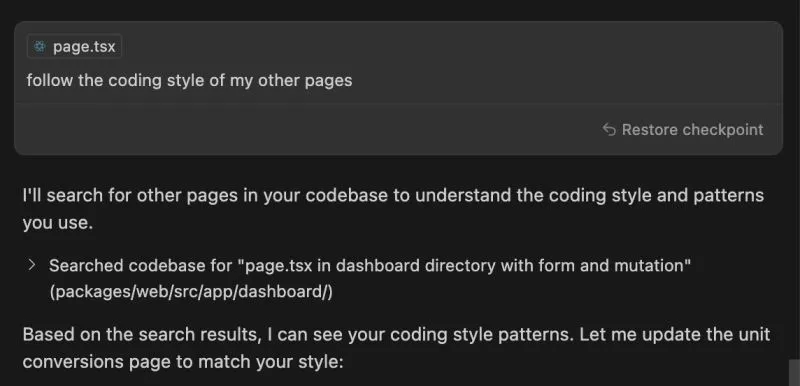
Has Cursor Gotten Worse Over the Last 4 Months?
When I first started using Cursor, I was blown away. With a single prompt, it generated clean, multi-file codes that mirrored exactly how I would have writte...
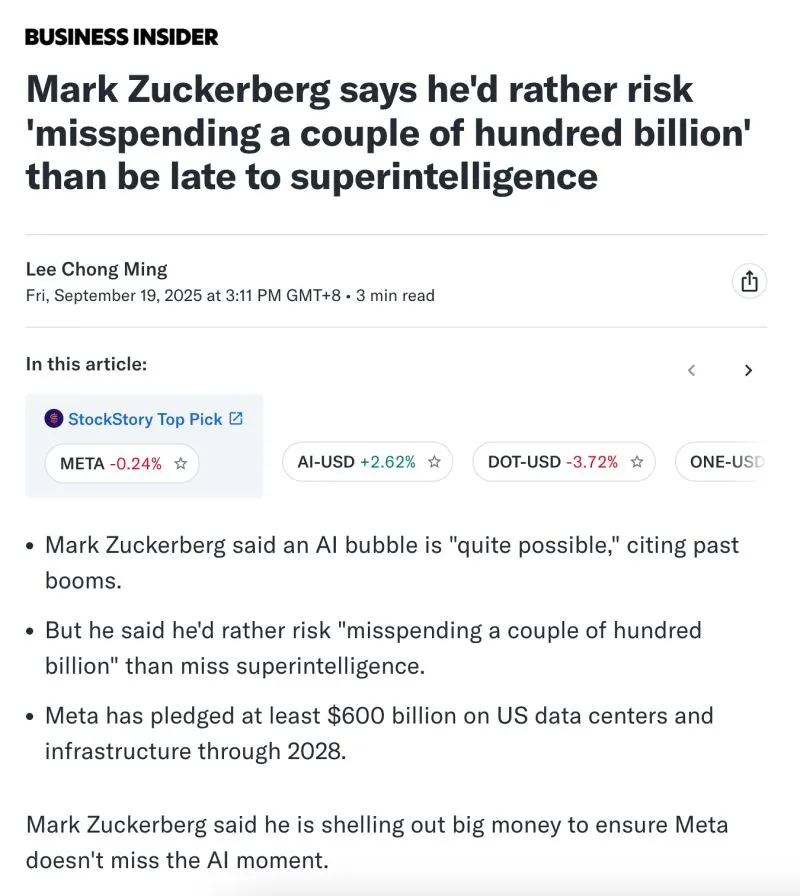
Zuckerberg: Better to Overspend on AI Than Miss It
I actually respect Mark Zuckerberg for his gut as a technopreneur and innovator.
Recently, I heard an interesting view from Jeremy Tan during a panel discussion.
It sounded absurd at first, but on second thought, I think it might actually happen.
AI lets you automate tasks, but are you solving the right problem?
75% of business leaders admit they're investing in AI without a clear strategy.
Has Cursor Gotten Worse Over the Last 4 Months?
When I first started using Cursor, I was blown away. With a single prompt, it generated clean, multi-file codes that mirrored exactly how I would have writte...
Recently, I heard an interesting view from Jeremy Tan during a panel discussion.
It sounded absurd at first, but on second thought, I think it might actually happen.
**GenAI Pitfalls**
ChatGPT has recently encountered various outages. These outages took down our AI services and disrupted business operations, both for us and our clients.
What is the difference between a proposal that can win $2m vs $20k deal?
$2M Proposal: Focuses on strategy. The "why" we should do this and the high level approach.
Zuckerberg: Better to Overspend on AI Than Miss It
I actually respect Mark Zuckerberg for his gut as a technopreneur and innovator.