Most people prompt AI images like users.
Professionals prompt like photographers.
Professionals prompt like photographers.
If you’ve ever wondered why your AI images look average while others look like magazine covers… the secret isn’t the model.
It’s the prompting mindset.
Professional photographers think in framing, light, lens, composition, and mood — not just “make this nicer.”
Let’s talk about framing in this post.
(This is Part 1 of my image prompting series)
Due to the word limit, I’ve added example prompts and generated images for each technique in the carousel.
- Extreme Close-Up (ECU)
Use when: emotion, texture, detail
Prompt cue: extreme close-up, macro, shallow DOF
- Close-Up (CU)
Use when: emotion, face-focused portraits
Prompt cue: close-up, face filling frame
- Medium Close-Up (MCU)
Use when: expression + context
Prompt cue: medium close-up, chest up
- Medium Shot (MS)
Use when: gestures, posture, lifestyle scenes
Prompt cue: medium shot, waist up
- Medium Long Shot (MLS)
Use when: body language, presenting, editorial portraits
Prompt cue: medium long shot, knees up
- Long Shot (LS)
Use when: full posture, movement, environment
Prompt cue: full shot, long shot, head to toe, subject fills most of the frame
- Wide Shot (WS)
Use when: environment-driven storytelling
Prompt cue: wide shot, subject occupies 20-30% of frame, environment visible
- Extreme Wide Shot (EWS)
Use when: cinematic scale, mood setting
Prompt cue: extreme wide shot, vast landscape
- Over-the-Shoulder (OTS)
Use when: interaction, perspective
Prompt cue: over-the-shoulder, foreground blur
- Point of View (POV)
Use when: immersive, first-person perspective
Prompt cue: POV shot, from subject’s eyes
- Low Angle
Use when: power, confidence, heroic tone
Prompt cue: low angle, looking up
- High Angle
Use when: playfulness, vulnerability, overview
Prompt cue: high angle, looking down
- Bird’s-Eye View / Top-Down
Use when: flat-lays, organized layouts, overhead scenes
Prompt cue: top-down, bird’s-eye, aerial view
- Dutch Angle
Use when: drama, motion, tension
Prompt cue: Dutch angle, tilted frame, horizon on a diagonal
Mastering these framing techniques can transform your AI image prompts from basic descriptions to cinematic directives.
Experiment with them to bring a new level of depth, emotion, and storytelling to your generated visuals.
Stay tuned for more insights in this series!
Enjoyed this? Subscribe for more.
Practical insights on AI, growth, and independent learning. No spam.
More in AI Strategy
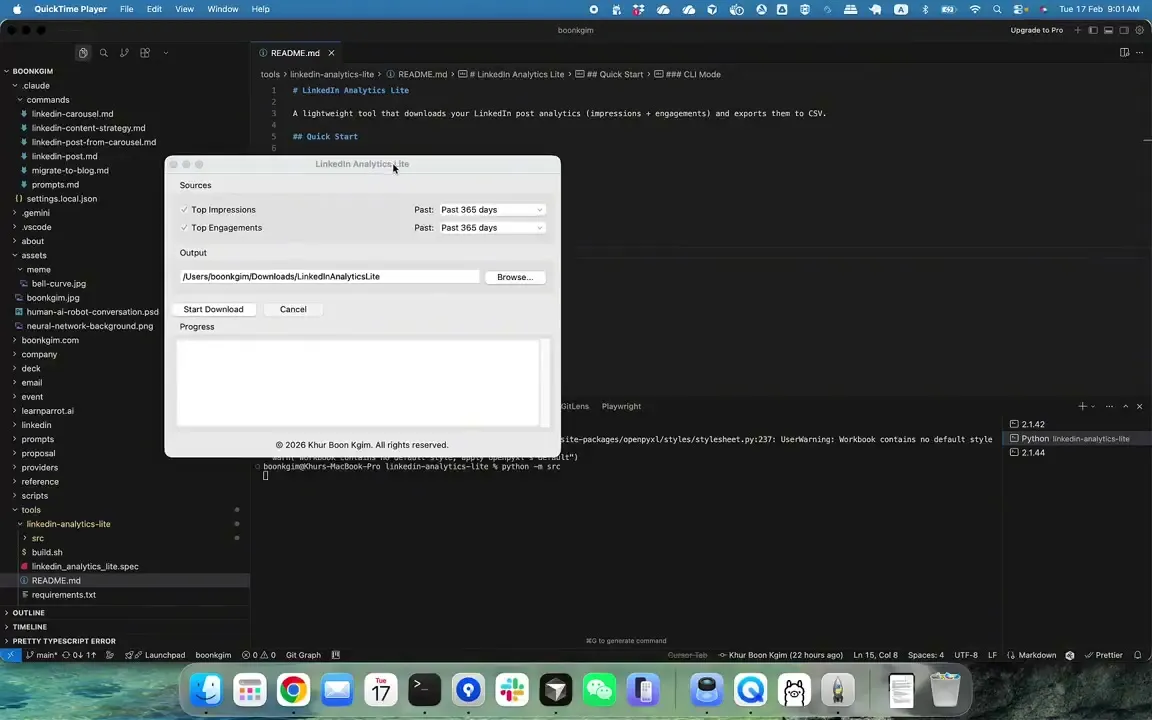
Not every automation needs an AI agent. After burning $25+ with a browser agent just to download analytics of my top LinkedIn posts, I decided to build a simple automation tool that costs nothing to run.
--
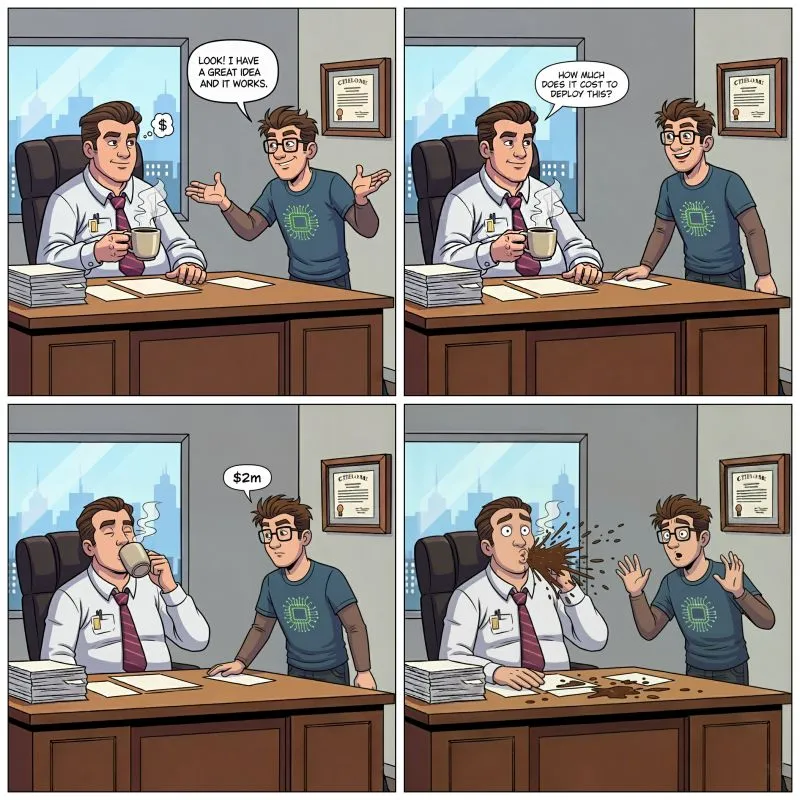
Your AI Idea Must Justify Business ROI
Sometimes, proof of concept (POC) feels magical, but the real test is whether it can be deployed sustainably.
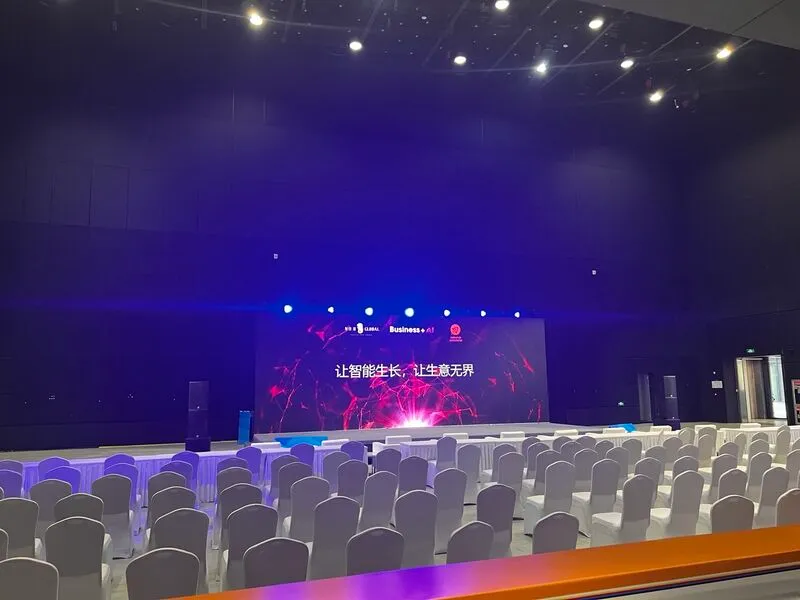
Our team is ready to kickstart the Business Plus AI Forum at CIFTIS Beijing 2025, in collaboration with Beijing Association for Trade in Services and World Trade Centers Association Beijing!
From rehearsals to the grand stage, everything is set for an exciting exchange of ideas on how AI is transforming industries and driving global collaboration...
OpenAI’s Windsurf deal is off — and Windsurf’s CEO is going to Google
Anyone feel like we should use AI to create a drama and publish it on Netflix?

What's the Big Deal About AI Agents and MCP?
That's when I knew I had to write about it.
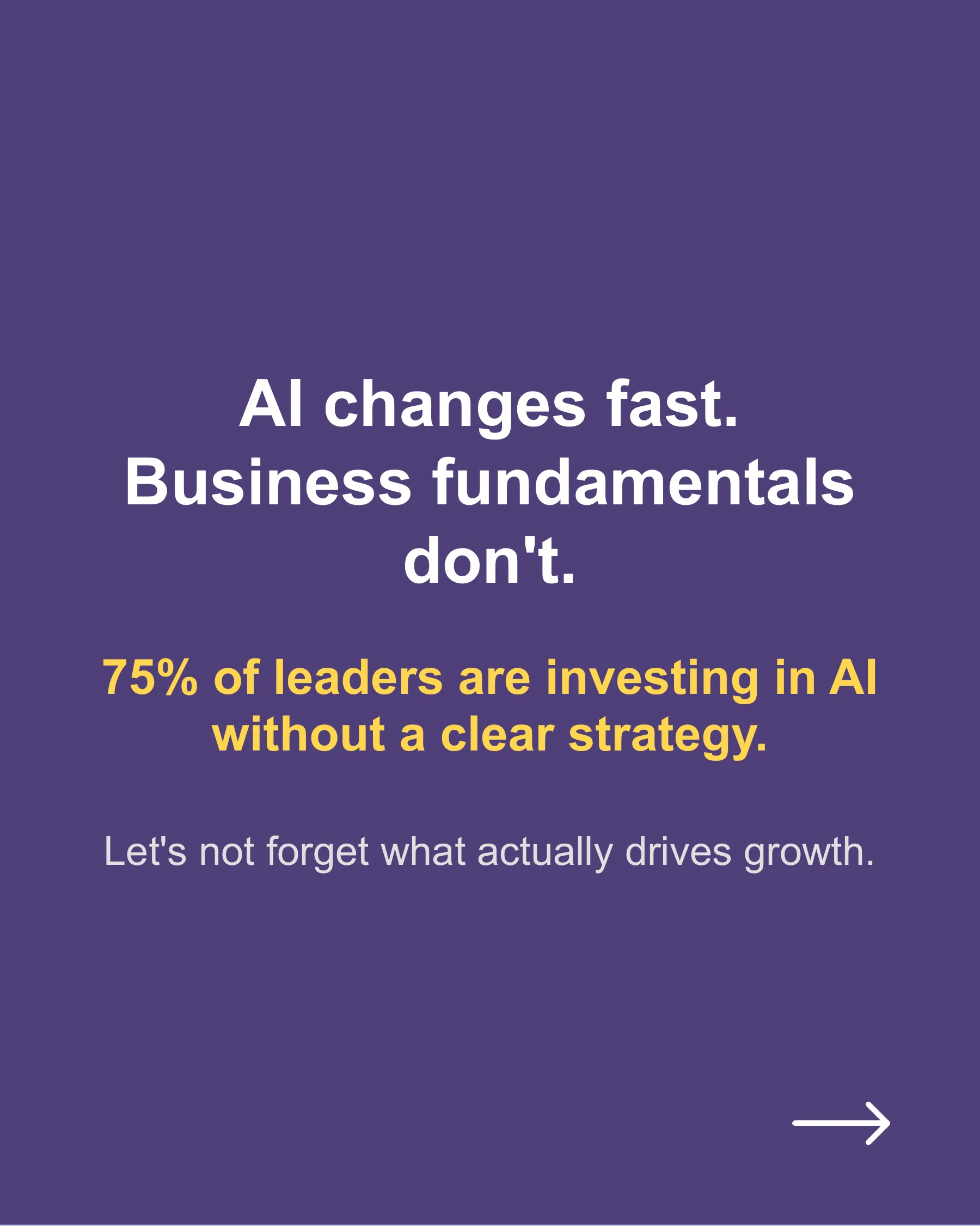
AI lets you automate tasks, but are you solving the right problem?
75% of business leaders admit they're investing in AI without a clear strategy.
Not every automation needs an AI agent. After burning $25+ with a browser agent just to download analytics of my top LinkedIn posts, I decided to build a simple automation tool that costs nothing to run.
--
Our team is ready to kickstart the Business Plus AI Forum at CIFTIS Beijing 2025, in collaboration with Beijing Association for Trade in Services and World Trade Centers Association Beijing!
From rehearsals to the grand stage, everything is set for an exciting exchange of ideas on how AI is transforming industries and driving global collaboration...
AI lets you automate tasks, but are you solving the right problem?
75% of business leaders admit they're investing in AI without a clear strategy.
Your AI Idea Must Justify Business ROI
Sometimes, proof of concept (POC) feels magical, but the real test is whether it can be deployed sustainably.
OpenAI’s Windsurf deal is off — and Windsurf’s CEO is going to Google
Anyone feel like we should use AI to create a drama and publish it on Netflix?
What's the Big Deal About AI Agents and MCP?
That's when I knew I had to write about it.