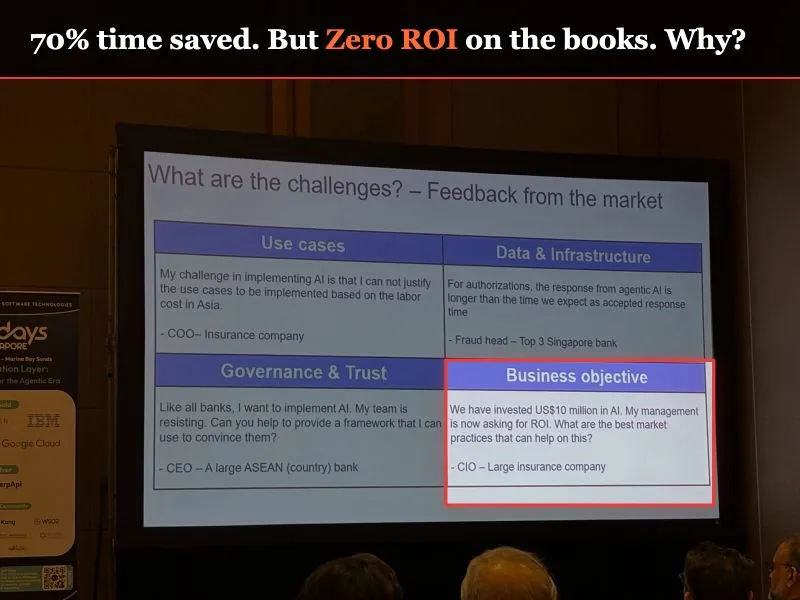
"We invested $10M in AI. Now my board wants ROI. What are the best practices?"
This quote from a CIO was on a slide at Apidays Singapore last week. It showed the #1 post-implementation challenge in AI adoption.
This quote from a CIO was on a slide at Apidays Singapore last week. It showed the #1 post-implementation challenge in AI adoption.
A client once asked me the same question after we delivered an AI project for them. On paper, the number was impressive. We cut their data entry time by 70%. They had 10 customer service staff doing data entry at a $3k monthly salary on average. That translates to about $250k in labor cost saved per year.
The CFO pushed back on the ROI. His argument: “We still have the same headcount. So where is the ROI?”
If this is how you measure AI ROI, you will never find any.
Most AI projects don’t cut costs directly. They free up employee time. And freed-up time rarely shows up on your P&L immediately.
Employees don’t tell you they are less busy now. They just work slower. You end up with underutilised capacity sitting across your org. Invisible to the finance team.
To convert that capacity into real ROI, you need to do one of three things:
- Cut headcount
The hardest and most unpopular option, but the most direct ROI.
- Reposition employees into revenue-generating roles
Move them from data entry to lead qualification, customer success, sales enablement, or anything that grows the top line.
- Track revenue per employee over time
For high-growth companies, this is where AI ROI actually shows up. Your team absorbs more revenue without scaling headcount proportionally.
If none of these apply, any ROI you see will be very gradual. But that doesn’t mean you should not invest now.
Your competitors are quietly building AI-augmented teams. If you wait until ROI is easy to measure on a dashboard, you are already three years behind the ones who started without perfect metrics.
The honest answer to “What is our AI ROI?” is not a number. It is a decision: cut, reposition, or grow revenue faster than headcount.
—
If you are leading AI transformation in your organization, save this article for your next board or CFO conversation. Or just repost and send it to them directly.
#AI #AITransformation #BusinessStrategy
Enjoyed this? Subscribe for more.
Practical insights on AI, growth, and independent learning. No spam.
More in AI Strategy
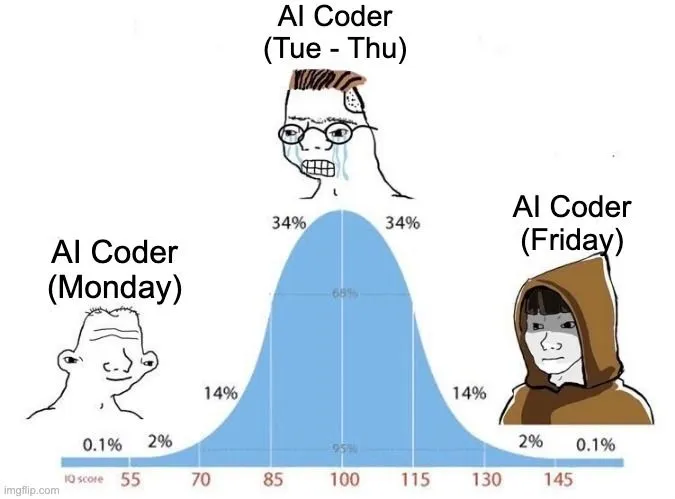
I was amazed by AI coding assistant the first time I used Cursor.
It wrote code almost similar to how I would write it.

Cursor's Pricing Changes Caused an Uproar
They have to do it because subsidizing the market with cheap tokens is not sustainable in the long run.
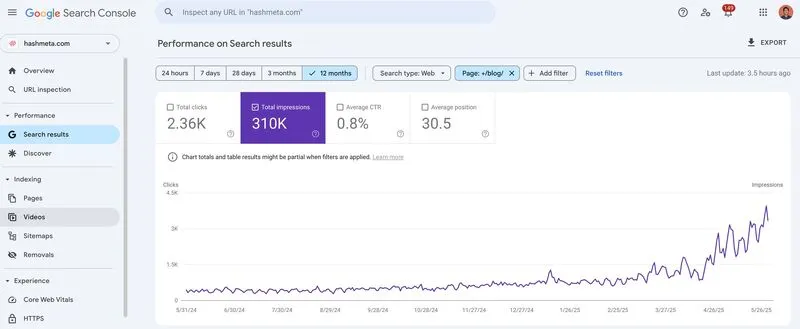
How We Turned 12 Years of Expertise Into an AI-Powered Service That Scales
Terrence Ngu Teck Kong has been running Hashmeta Group, a digital marketing agency, for 12 years.
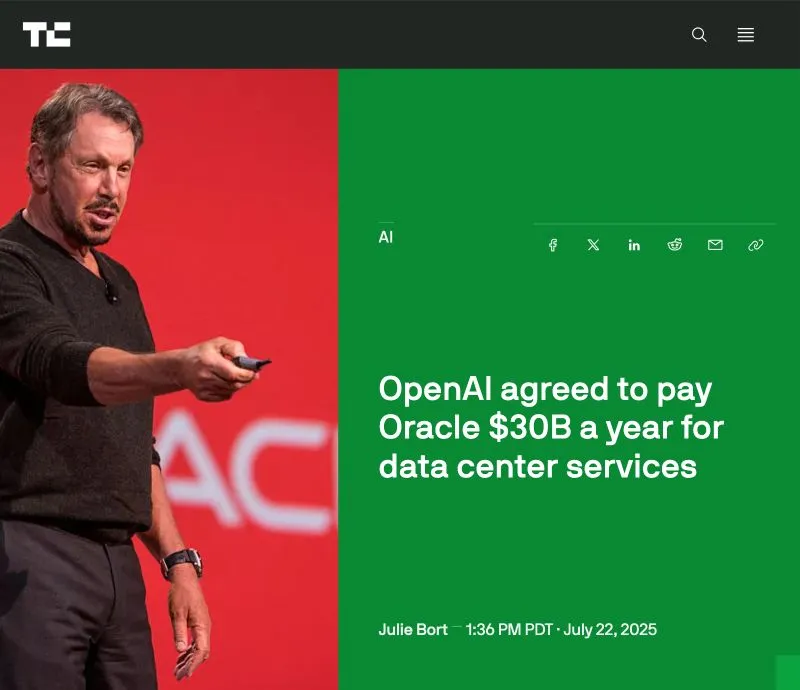
The Circular Money Loop Behind OpenAI’s Funding
It goes one round. Oracle buys GPUs from Nvidia, and Nvidia invests in OpenAI. 😂

📉 Clicks Are Dying. Brands That Create Memories Will Win.
For the last 20 years, the rise of the internet has pushed many marketers to obsess over performance marketing — chasing clicks, leads, ROAS.
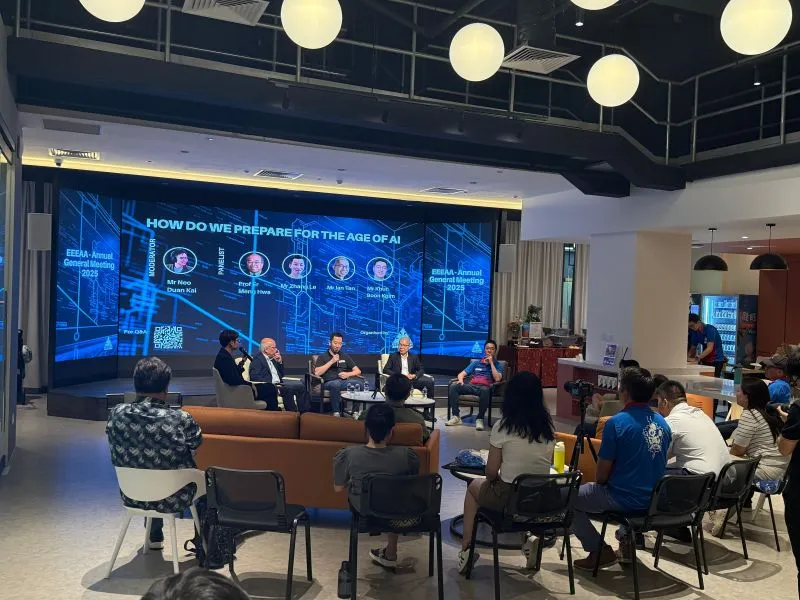
Preparing for the Age of AI: NTU Panel Recap
· Duan Kai Neo- President of NTU EEE Alumni Association
I was amazed by AI coding assistant the first time I used Cursor.
It wrote code almost similar to how I would write it.
How We Turned 12 Years of Expertise Into an AI-Powered Service That Scales
Terrence Ngu Teck Kong has been running Hashmeta Group, a digital marketing agency, for 12 years.
📉 Clicks Are Dying. Brands That Create Memories Will Win.
For the last 20 years, the rise of the internet has pushed many marketers to obsess over performance marketing — chasing clicks, leads, ROAS.
Cursor's Pricing Changes Caused an Uproar
They have to do it because subsidizing the market with cheap tokens is not sustainable in the long run.
The Circular Money Loop Behind OpenAI’s Funding
It goes one round. Oracle buys GPUs from Nvidia, and Nvidia invests in OpenAI. 😂
Preparing for the Age of AI: NTU Panel Recap
· Duan Kai Neo- President of NTU EEE Alumni Association