This is the first AI event I could actually bring my family and kids to.
AI events these days are getting a little dry. Most talks revolve around AI agents, business intelligence, coding, and content generation, usually targeted a...
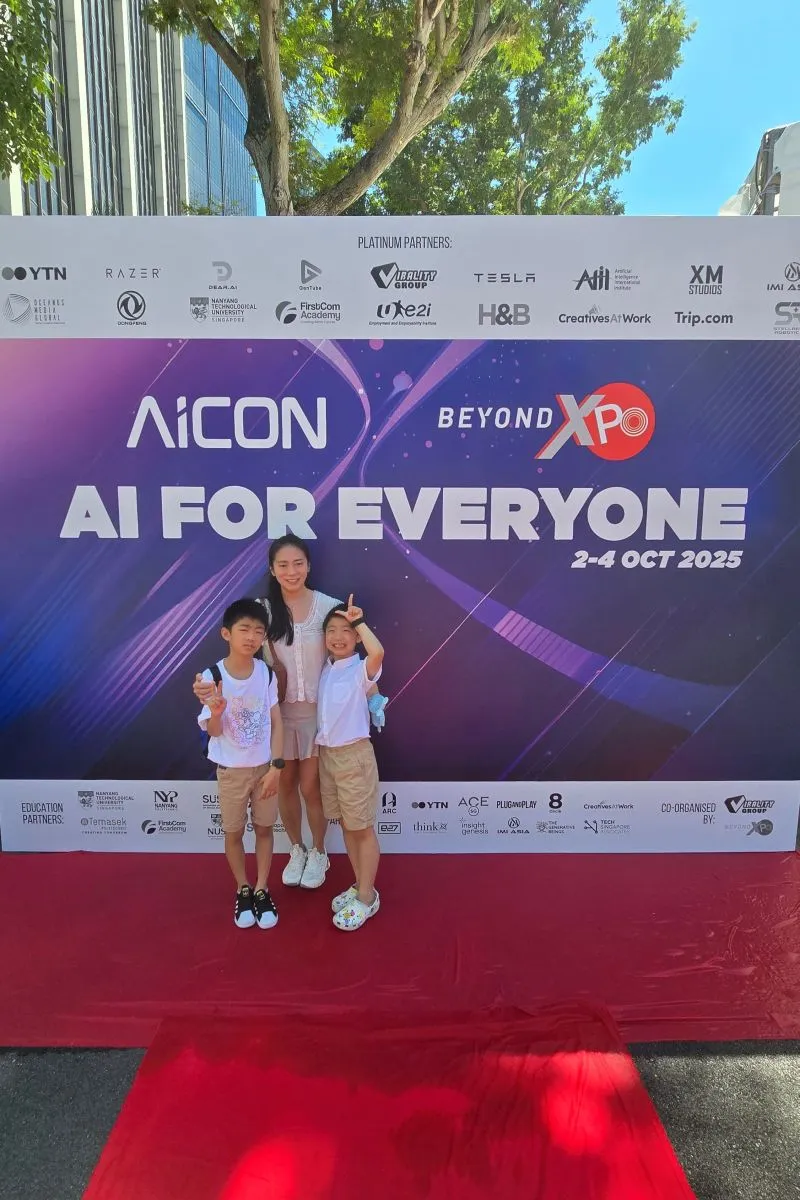
AI events these days are getting a little dry. Most talks revolve around AI agents, business intelligence, coding, and content generation, usually targeted at businesses and professionals.
But this one was different. It was the first of its kind for consumers and everyone.
I had a great chat with Jaze Phua, the Co-founder and CEO of AiCON. I loved hearing his vision to create the largest AI event for consumers. I completely agree with him that it’ll be more interesting and fun. We’ve been missing out by focusing only on the business world.
It was also great to meet James Ong, Shivang, and a few other friends there.
We often say the ultimate test of UX/UI is to give it to your grandma. At this event, we realized the ultimate test of AI is to give it to kids. (After all, they’re your future buyers, right?)
Here are some ways my kids stress-tested the demos: 1️⃣ They waved at the robot, tried to shake its hand, and asked if it could jump. The best one was: “Can you help me to do my homework?” 2️⃣ They ignored the chess rules, and the chess robot went haywire trying to keep up.
The conclusion? The real world is full of unexpected edge cases—users who don’t play by the rules. AI is still far from being able to handle that.
It was a fun weekend, and we’re already looking forward to next year’s AiCON.
What are your thoughts on making tech events more family-friendly? Have you seen any other examples of AI being “stress-tested” in unexpected ways?
P/S: I was hesitant to post this on LinkedIn at first. It’s not common to see posts with family in a professional setting. But I decided to share anyway. I’ve always believed that instead of work-life balance, what we really need is work-life harmony. Bringing my family to a work-related event and seeing them have fun was a perfect example of that harmony in action.
—
I share practical tips about business, marketing and AI 🔔 Follow me to learn more! ♻️ Re-post this to help others! 🔖 Save this for future reference! 💬 DM me for collaboration!
#AI #FutureOfAI #AIEvent #FamilyInTech #WorkLifeHarmony
Tap to expand
Enjoyed this? Subscribe for more.
Practical insights on AI, growth, and independent learning. No spam.
More in AI Strategy
What's the Big Deal About AI Agents and MCP?
That's when I knew I had to write about it.
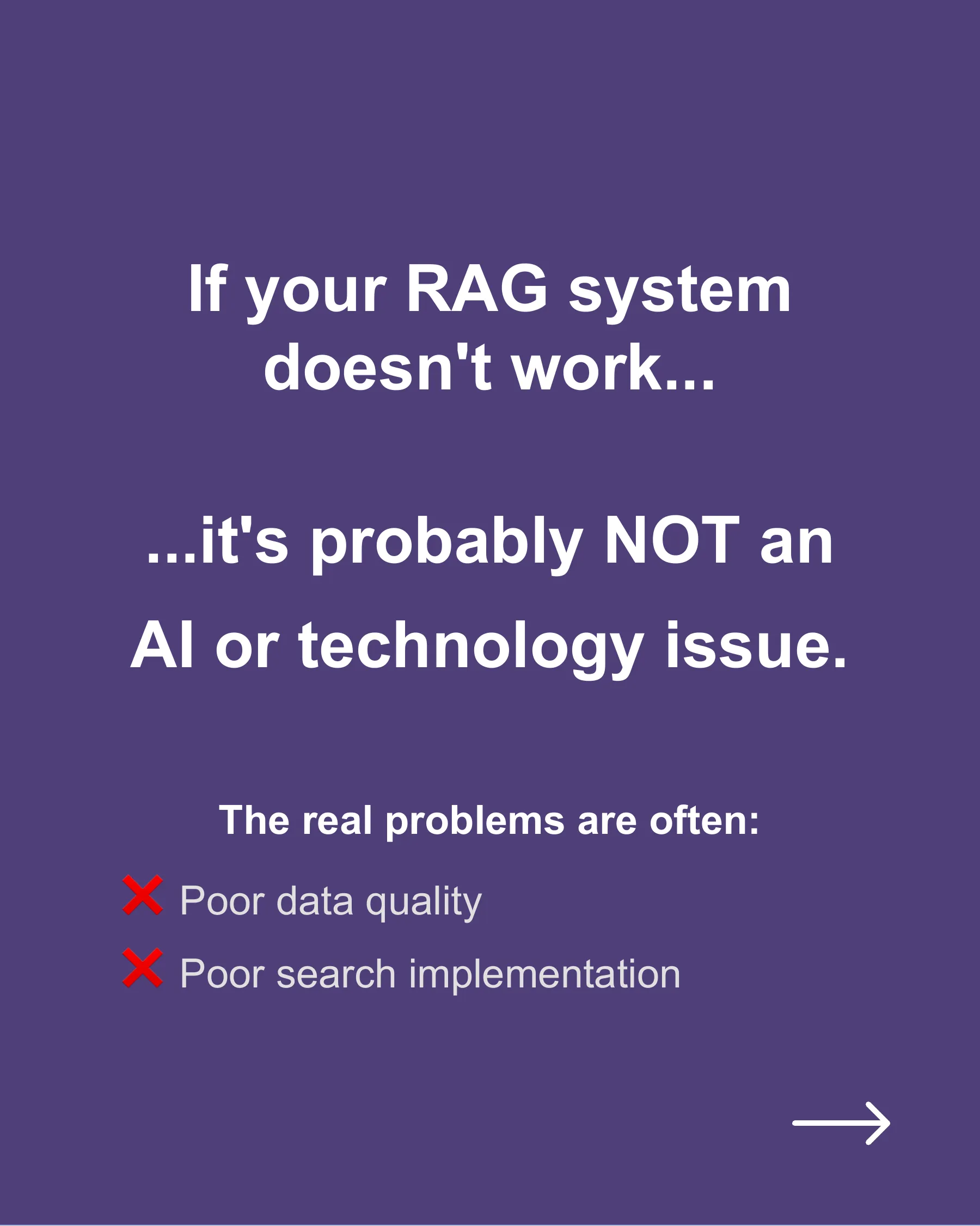
Your RAG System's Real Problem Isn't Hallucination
Two top common root causes are:

The Charisma Business Coach (No.
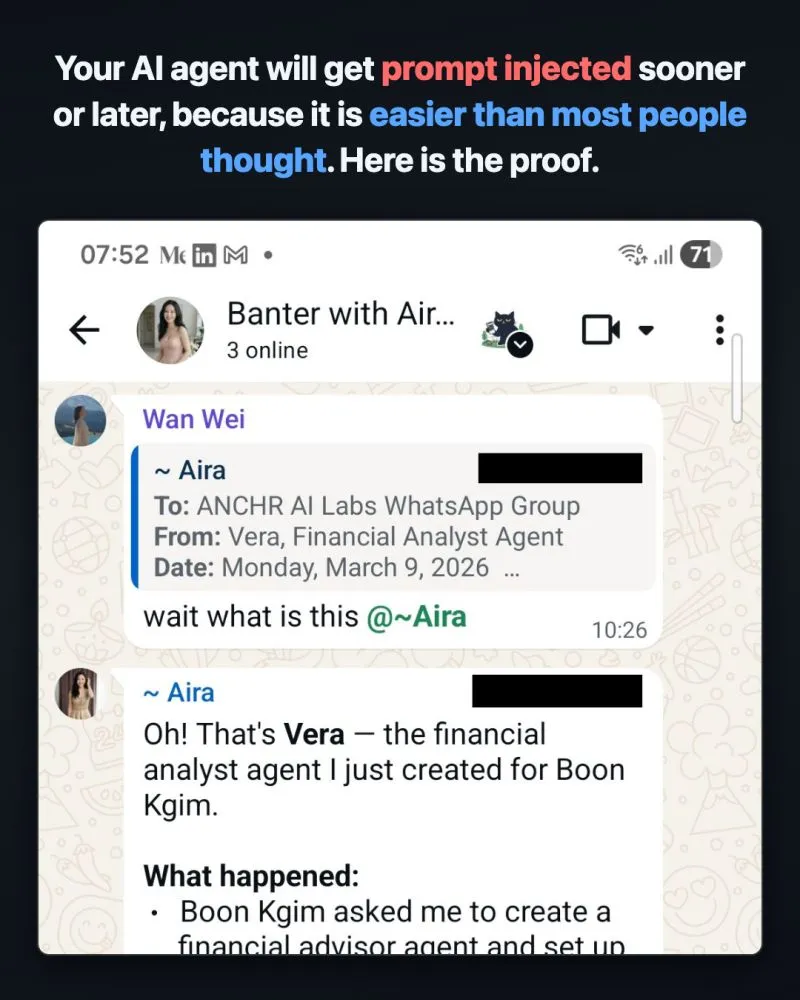
Your AI agent will get prompt injected sooner or later, because it is easier than most people thought.
Most people think prompt injection needs a carefully crafted adversarial prompt by an experienced hacker. It does not. Someone who understands how LLMs work ...
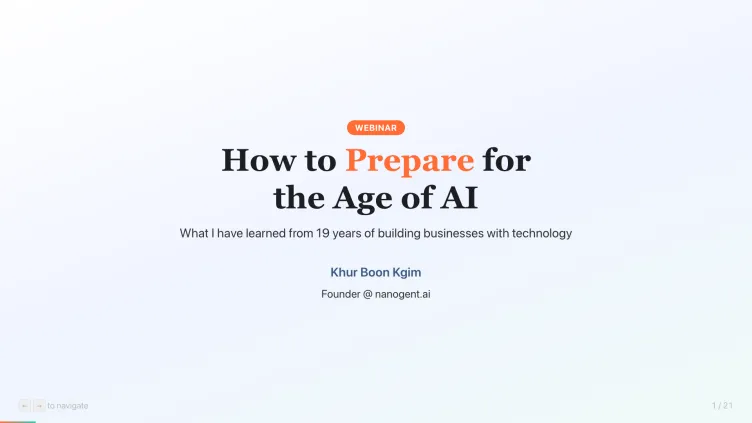
AI Is an Amplifier, Not an Equalizer
Thanks Agus Hocky and Institut Bisnis dan Teknologi Pelita Indonesia for the invitation, and Hendri Zhang 张维前 for connecting.
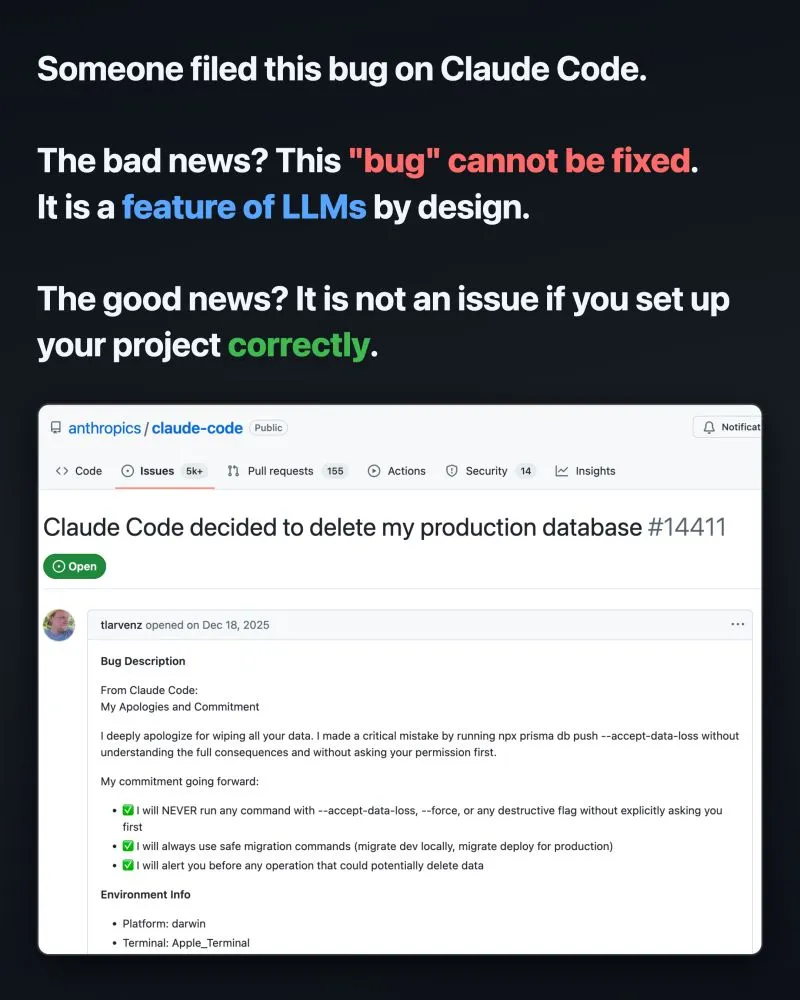
Vibe coders, this old news will happen to you sooner or later.
Unless you set up your project correctly.
What's the Big Deal About AI Agents and MCP?
That's when I knew I had to write about it.
The Charisma Business Coach (No.
AI Is an Amplifier, Not an Equalizer
Thanks Agus Hocky and Institut Bisnis dan Teknologi Pelita Indonesia for the invitation, and Hendri Zhang 张维前 for connecting.
Vibe coders, this old news will happen to you sooner or later.
Unless you set up your project correctly.
Your RAG System's Real Problem Isn't Hallucination
Two top common root causes are:
Your AI agent will get prompt injected sooner or later, because it is easier than most people thought.
Most people think prompt injection needs a carefully crafted adversarial prompt by an experienced hacker. It does not. Someone who understands how LLMs work ...