Low-code (or no-code) platforms will replace coding.
That’s the narrative we keep hearing for years.
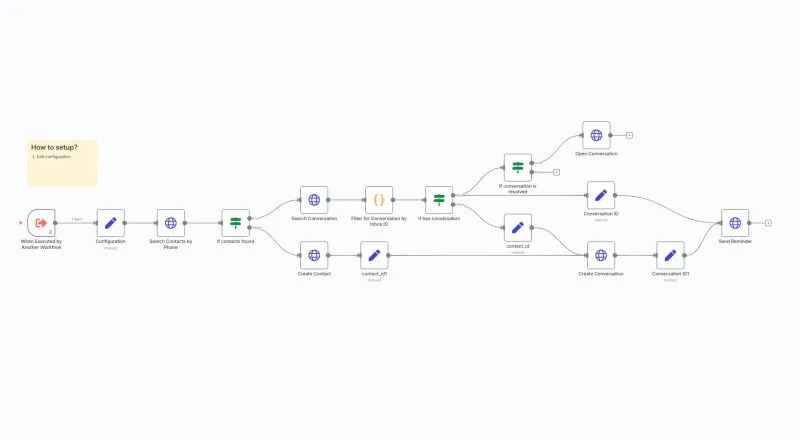
That’s the narrative we keep hearing for years. It faded away for a while. But it has recently come back due to the rise of AI, giving them new power. Think n8n, Dify, MakeAI, Zapier, Langflow and more.
The reality? They sound great—until they don’t.
They shine when implementing simple logic. But as complexity grows, they often become a nightmare to manage.
Look at the workflow in the image, just to send a WhatsApp message through a help desk platform. (I thought I would save some time building it with n8n, but…)
From experience: ✅ A tangled flowchart is harder to reason through than clean, modular code. ✅ Well-structured code built on SOLID principles is easier to debug and maintain. You rarely need to understand the entire codebase to fix one piece. ✅ With AI coding assistants improving rapidly, the supposed speed advantage of low-code is shrinking.
If you hear anyone claim that no-code can replace code, they are either a marketer, or have just discovered the magic of building something with a no-code platform, but have yet to build any serious software.
Low-code isn’t bad. It’s just not the silver bullet it’s marketed to be. Use it where it fits—but know its limits.
Ultimately, the choice isn’t about one replacing the other, but about understanding where each excels. Low-code empowers rapid prototyping and simple integrations, while traditional coding remains indispensable for complex and scalable solutions.
What are your thoughts and experiences with low-code/no-code platforms?
#LowCode #NoCode #GenAI #SoftwareDevelopment #Workflow
Enjoyed this? Subscribe for more.
Practical insights on AI, growth, and independent learning. No spam.
More in AI Automation

Our inaugural Business Plus AI Forum 2024 was a smashing success!
Here’s a big shoutout to the stars of the day:
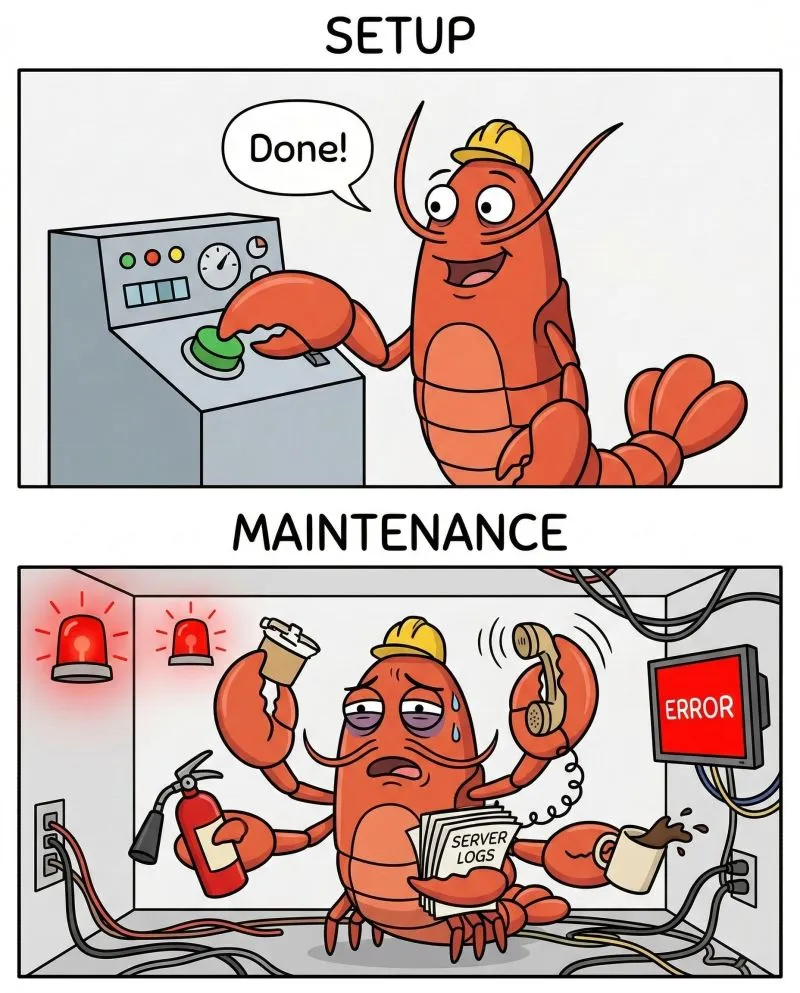
Everyone tells you how easy it is to set up an AI agent with OpenClaw.
Nobody tells you how hard it is to maintain it.
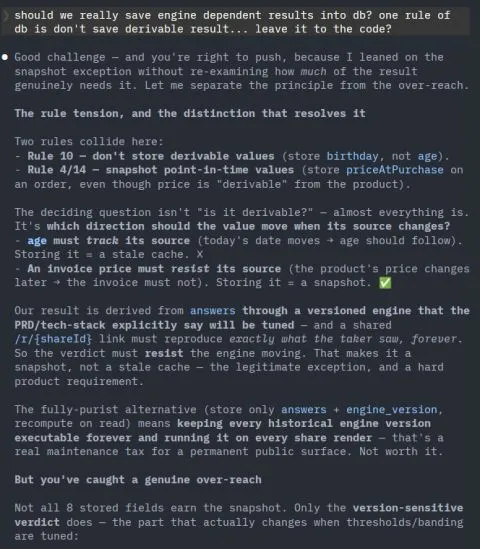
I am disappointed that Opus 4.8 still breaks one of the most basic rules in database design.
8 months ago, I noticed Opus 4.5 was not good at database design. So I built a DB design skill loaded with best practices.
Context is king in AI. Five Claude Code features to manage context, and when to use them.
A learner from my class told me his biggest takeaway was how important context management is. I agree completely. Most people who pick up Claude Code focus o...
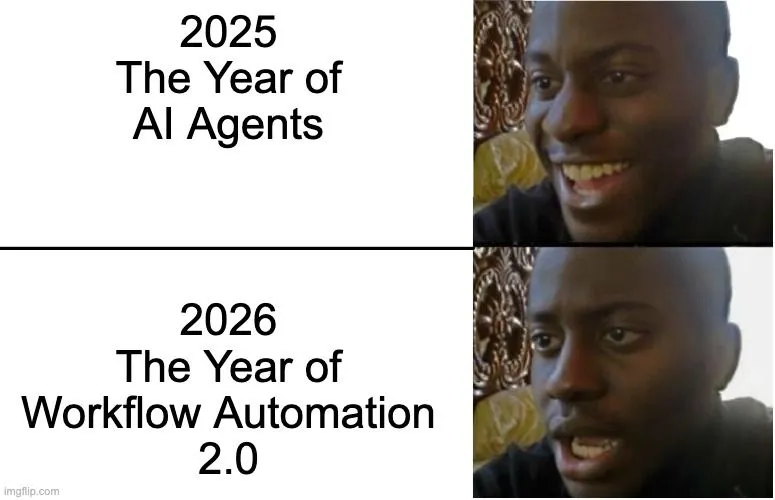
We were promised autonomous AI agents. But got Workflow Automation 2.0 instead.
2025: The Year of AI Agents 😄

What is the difference between a proposal that can win $2m vs $20k deal?
$2M Proposal: Focuses on strategy. The "why" we should do this and the high level approach.
Our inaugural Business Plus AI Forum 2024 was a smashing success!
Here’s a big shoutout to the stars of the day:
I am disappointed that Opus 4.8 still breaks one of the most basic rules in database design.
8 months ago, I noticed Opus 4.5 was not good at database design. So I built a DB design skill loaded with best practices.
We were promised autonomous AI agents. But got Workflow Automation 2.0 instead.
2025: The Year of AI Agents 😄
Everyone tells you how easy it is to set up an AI agent with OpenClaw.
Nobody tells you how hard it is to maintain it.
Context is king in AI. Five Claude Code features to manage context, and when to use them.
A learner from my class told me his biggest takeaway was how important context management is. I agree completely. Most people who pick up Claude Code focus o...
What is the difference between a proposal that can win $2m vs $20k deal?
$2M Proposal: Focuses on strategy. The "why" we should do this and the high level approach.