Two products that are changing the world started as random experiments.
I recently watched 2 videos. A Lenny's Podcast with Boris, the creator of Claude Code. And a TED talk by Peter, the creator of OpenClaw. I noticed a common t...
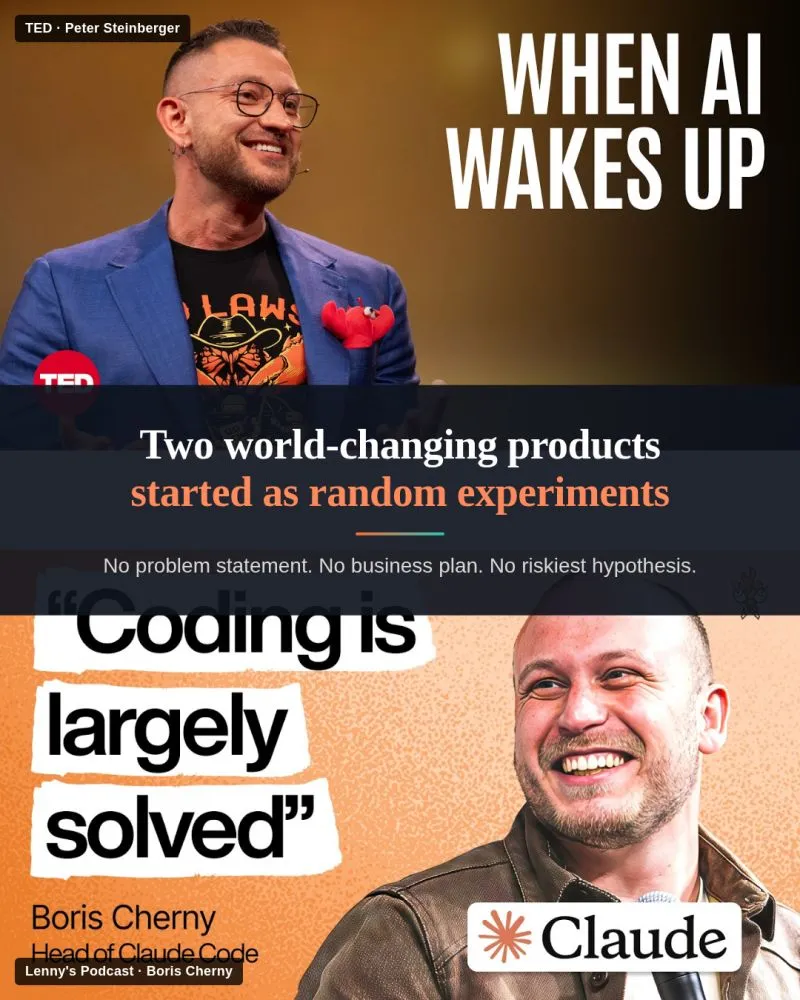
I recently watched 2 videos. A Lenny’s Podcast with Boris, the creator of Claude Code. And a TED talk by Peter, the creator of OpenClaw. I noticed a common theme that goes against conventional startup wisdom.
No problem statement. No business plan. No riskiest hypothesis to validate.
The opposite of what every startup book tells you to do.
- Claude Code
Boris Cherny, head of Claude Code at Anthropic, on Lenny’s Podcast:
“When I first started Claude Code, it was just supposed to be a little hack.”
He spent a month building weird prototypes. Most never shipped.
His very first test: “What music am I listening to?”
The model figured out how to use a bash tool to answer it.
That was the moment. A toy question.
When he announced it internally, the post got two likes.
- OpenClaw
Peter Steinberger, a burned-out founder who sold his company and “felt absolutely nothing” for three years, in his TED talk:
“In early 2025, I tried an experiment.”
He built 44 projects in a few months.
One was a WhatsApp bot he took to Marrakesh to navigate.
He sent it a voice message. The agent figured out on its own how to transcribe audio, found an OpenAI key on his laptop, sent the file, got the text back. Nine seconds. He didn’t build any of that.
He put it in a public Discord. It went viral overnight.
Today Jensen Huang calls it the operating system for personal AI.
Neither product started from a problem statement. Neither validated a riskiest hypothesis. Both just played around, and the things they built turned out to be world-changing.
I think this is the part of the AI shift that is under-discussed.
The lean startup playbook assumed building was expensive.
Define the problem. Write the plan. Validate before you build.
Because if you build the wrong thing, you waste months.
But building is no longer expensive.
Boris shipped a bunch of prototypes solo in a month. Peter shipped 44 projects solo in a few months.
When building is near-free, validation becomes the slow path. Exploration is the fast path.
I have been building apps with Claude Code for months now. A working prototype in an hour. Something that used to take a weekend now takes a coffee break.
If you are still writing 10-page business plans before you touch code, you are probably optimizing for a world that no longer exists.
The new playbook is probably: ship weird things, see what people do with them, let the usage tell you what you built.
Boris built a coding hack for himself. Peter built a toy WhatsApp bot for Marrakesh. Neither was expected to gain traction. Both are now.
#AI #Startups #Entrepreneurship #OpenClaw #ClaudeCode
Enjoyed this? Subscribe for more.
Practical insights on AI, growth, and independent learning. No spam.
More in Tech & Startup
Announcing My New Role: Founder at Learn Parrot
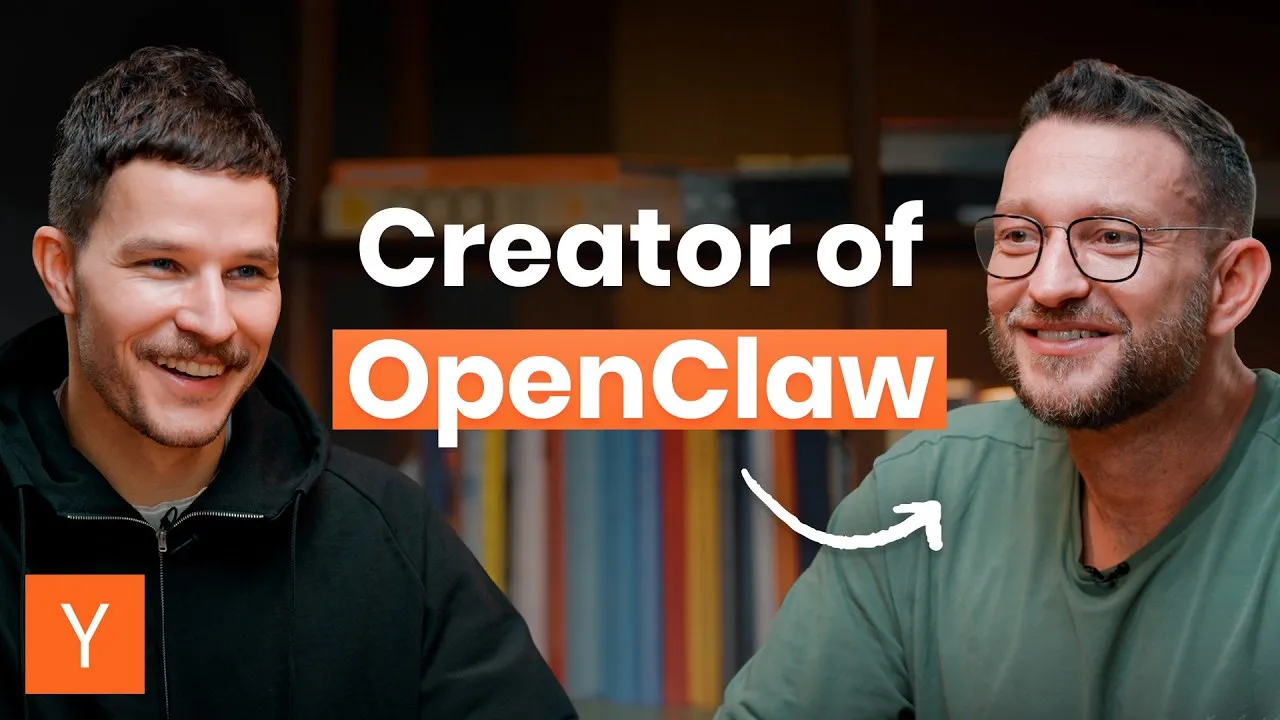
OpenClaw Creator: Why 80% Of Apps Will Disappear
If you are still thinking OpenClaw is just hype, you should watch this interview with Peter Steinberger.
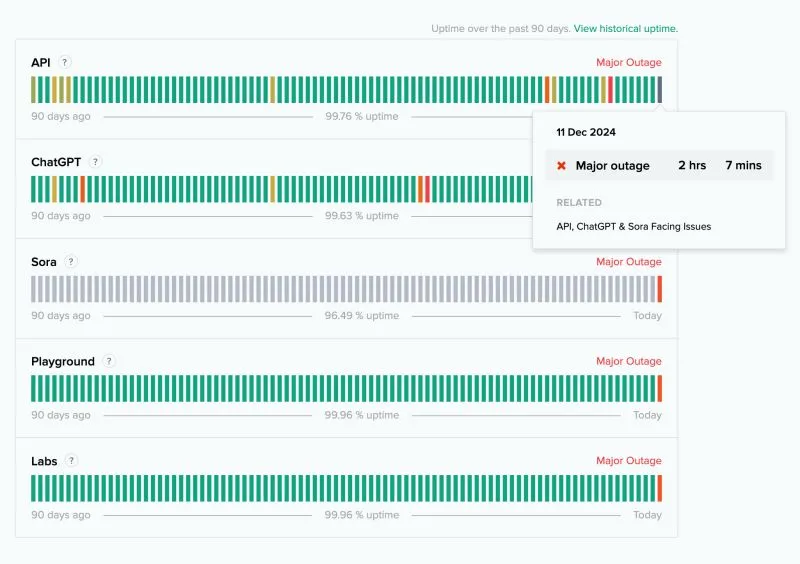
**GenAI Pitfalls**
ChatGPT has recently encountered various outages. These outages took down our AI services and disrupted business operations, both for us and our clients.
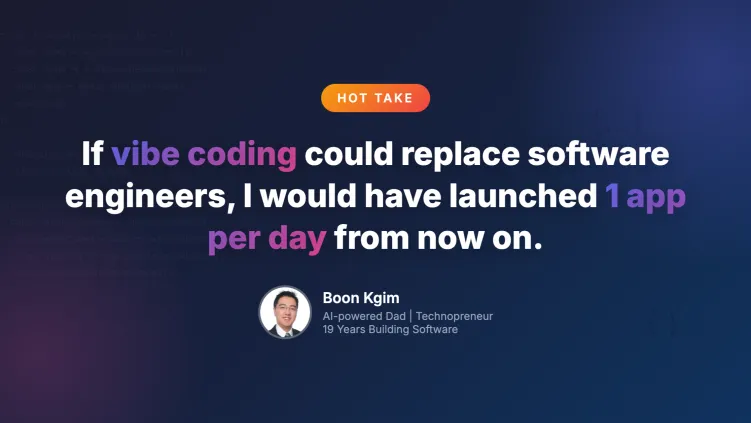
Hot Take: Vibe Coding Won't Replace Software Engineers
Here, I share my journey from a strong believer to a skeptic.
I am honored to be featured by e27 (Optimatic), one of the top startup media and communities in the...
"You can't connect the dots looking forward; you can only connect them looking backwards. So you have to trust that the dots will somehow connect in your fut...
How I Balance Business and Parenting as an Entrepreneur
Last December, as I squeezed out some time to help my kids with their study, I thought:
Announcing My New Role: Founder at Learn Parrot
**GenAI Pitfalls**
ChatGPT has recently encountered various outages. These outages took down our AI services and disrupted business operations, both for us and our clients.
I am honored to be featured by e27 (Optimatic), one of the top startup media and communities in the...
"You can't connect the dots looking forward; you can only connect them looking backwards. So you have to trust that the dots will somehow connect in your fut...
OpenClaw Creator: Why 80% Of Apps Will Disappear
If you are still thinking OpenClaw is just hype, you should watch this interview with Peter Steinberger.
Hot Take: Vibe Coding Won't Replace Software Engineers
Here, I share my journey from a strong believer to a skeptic.
How I Balance Business and Parenting as an Entrepreneur
Last December, as I squeezed out some time to help my kids with their study, I thought: