Vibe coding is a double-edged sword.
In the wrong hands, it's a security nightmare. In the right hands, it's a powerful security assistant.
In the wrong hands, it’s a security nightmare. In the right hands, it’s a powerful security assistant.
Previously, I shared two articles on the security red flags of vibe coding.
One highlighted how AI-generated code can introduce security risks like hardcoded secrets, so it’s crucial to set security rules for your AI and always review its output.
Article: https://lnkd.in/ghpzjRAV
The other explained how vibe coding can lead to security vulnerabilities like exposed API keys, which can be mitigated by using environment variables for secrets and adding .env files to .gitignore.
Article: https://lnkd.in/gNCyDgzt
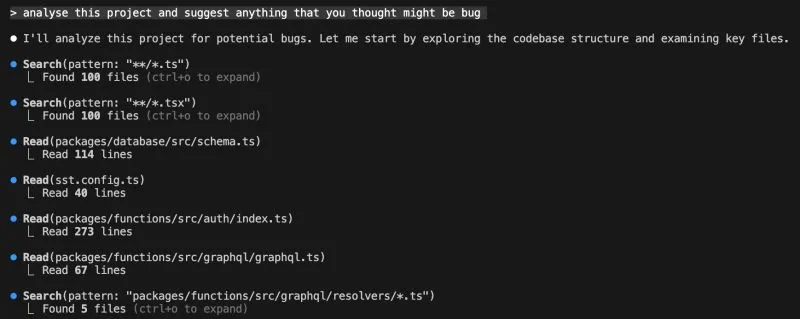
Today, I decided to test if Claude Code could detect issues in code without any context.
I just gave it a simple prompt: “Analyze this project and suggest anything that you thought might be a bug”.
The result was impressive. Claude Code detected 3 critical security issues and 11 other bugs.
Ironically, it had created some of those bugs itself.
This makes me wonder if we should set up an agentic workflow with a reflective pattern to improve vibe coding quality.
What are your thoughts?
#VibeCoding #DevSecOps #Claude #AgenticWorkflow #SoftwareDevelopment
Tap to expand
Enjoyed this? Subscribe for more.
Practical insights on AI, growth, and independent learning. No spam.
More in Vibe Coding
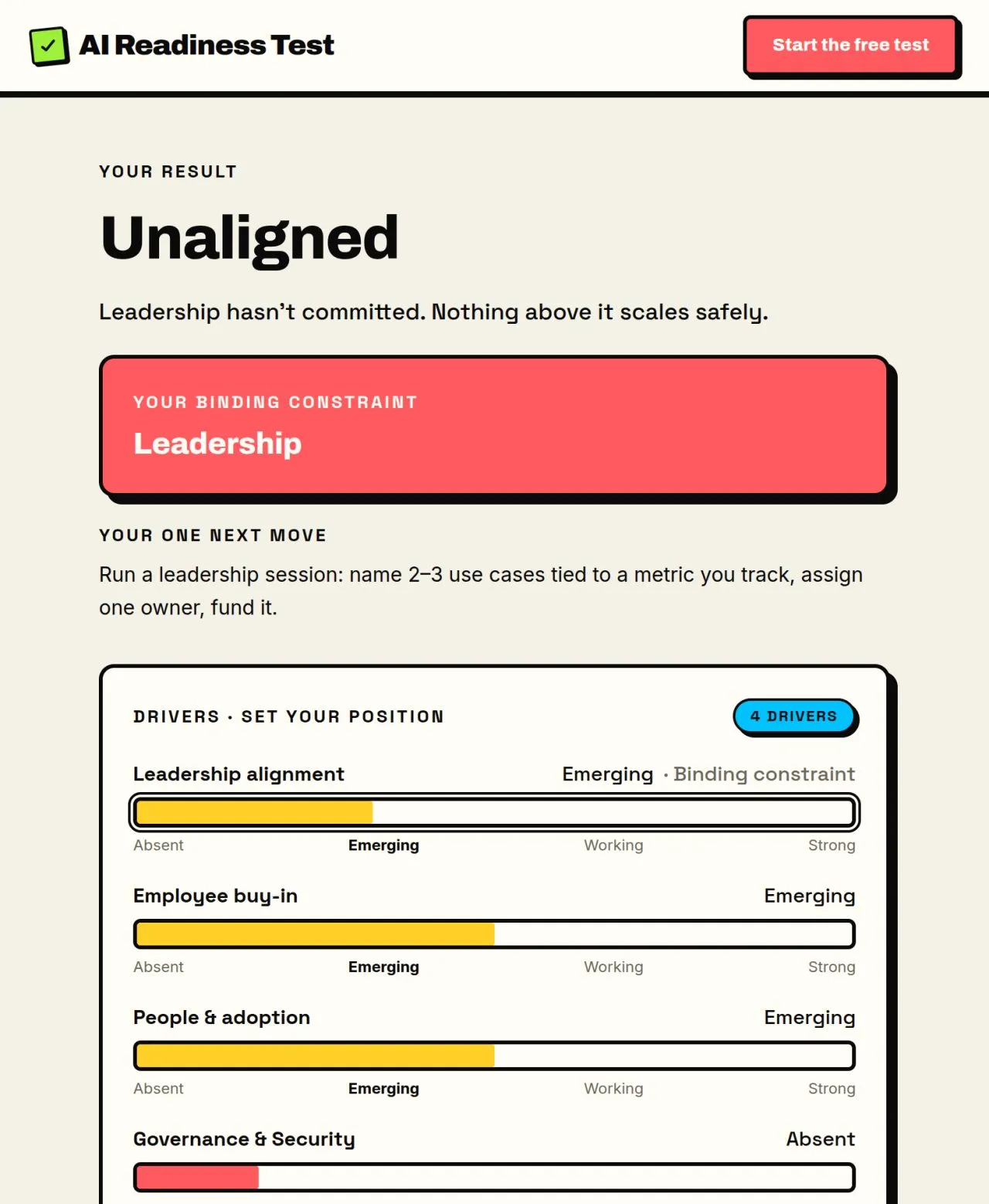
Most AI readiness tests skip the one layer that decides whether AI sticks: your people.
They go straight to data and process readiness. Important, yes. But I have watched plenty of transformations stall long before data or process ever became th...
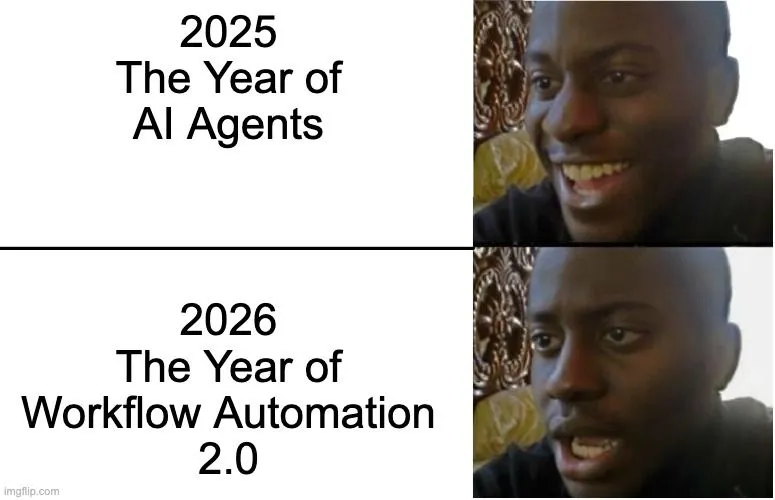
We were promised autonomous AI agents. But got Workflow Automation 2.0 instead.
2025: The Year of AI Agents 😄

OpenAI’s Windsurf deal is off — and Windsurf’s CEO is going to Google
Anyone feel like we should use AI to create a drama and publish it on Netflix?
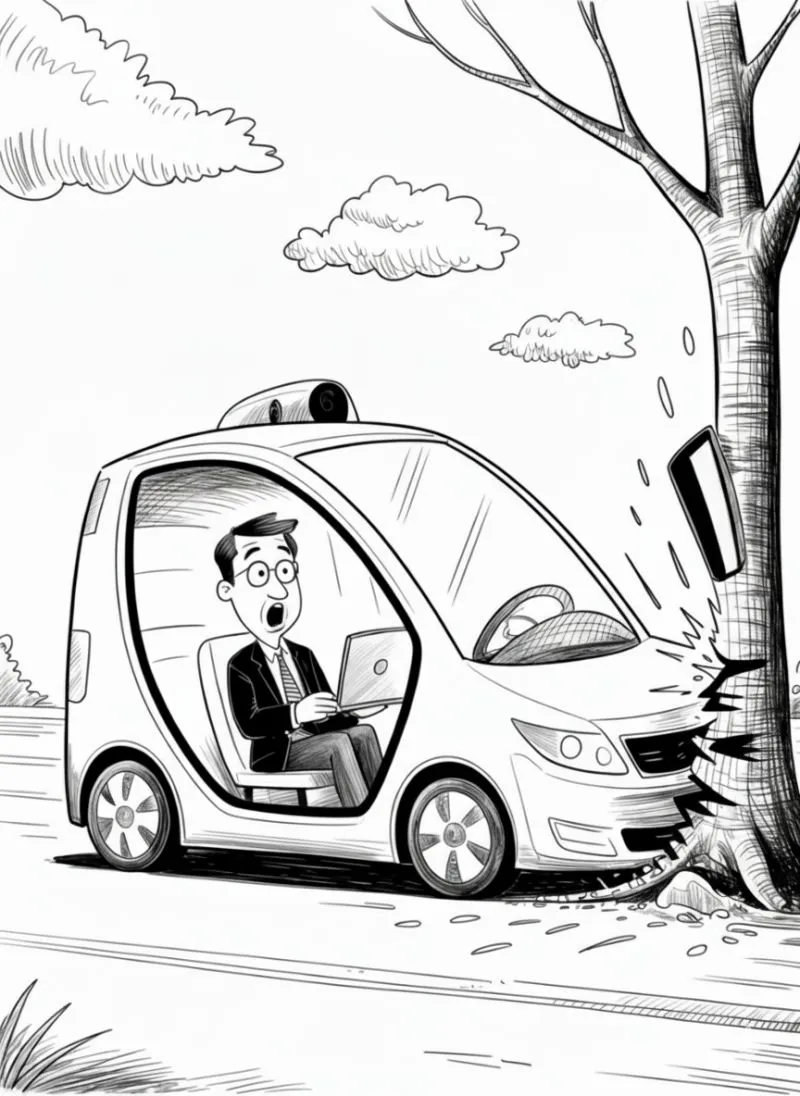
Vibe coding without reviewing the code is like riding an autonomous vehicle without safety features.
Sure, it’ll probably get you to the neighborhood shop most of the time, with the occasional bump into a neighbor’s bushes.
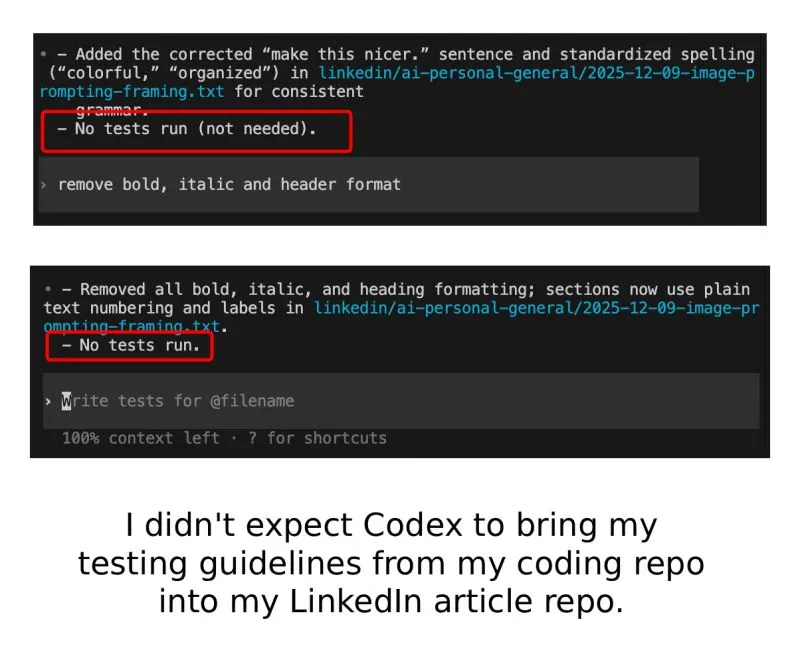
Claude Code and OpenAI Codex Do Track You
Recently, after hitting my Claude Code Max limit, I switched over to OpenAI Codex to continue my work.
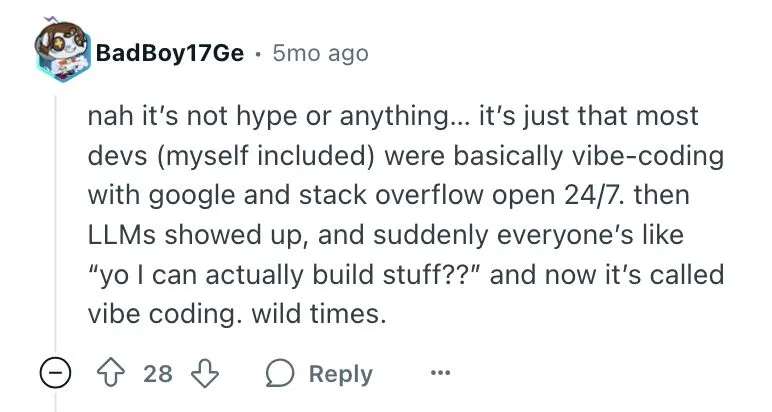
Vibe coding has been around longer than we think...
I once asked a developer to explain his code when it broke due to edge cases. He told me he didn't know because he copied it from Google. At least he was hon...
Most AI readiness tests skip the one layer that decides whether AI sticks: your people.
They go straight to data and process readiness. Important, yes. But I have watched plenty of transformations stall long before data or process ever became th...
Vibe coding without reviewing the code is like riding an autonomous vehicle without safety features.
Sure, it’ll probably get you to the neighborhood shop most of the time, with the occasional bump into a neighbor’s bushes.
We were promised autonomous AI agents. But got Workflow Automation 2.0 instead.
2025: The Year of AI Agents 😄
OpenAI’s Windsurf deal is off — and Windsurf’s CEO is going to Google
Anyone feel like we should use AI to create a drama and publish it on Netflix?
Claude Code and OpenAI Codex Do Track You
Recently, after hitting my Claude Code Max limit, I switched over to OpenAI Codex to continue my work.
Vibe coding has been around longer than we think...
I once asked a developer to explain his code when it broke due to edge cases. He told me he didn't know because he copied it from Google. At least he was hon...