"Not all kids can self-learn."
This is one of the most common objections I hear from parents. I disagree. To me, it is all about the incentive system.

This is one of the most common objections I hear from parents. I disagree. To me, it is all about the incentive system.
My wife and teachers struggle to get my son to do his homework. No amount of nagging works. When he did, he would just check all the first answers and submit.
With an incentive system, I got him to finish two grammar assessment books willingly during a holiday.
Some kids are born with self-drive. They do their own homework. Congratulations if you have such a kid.
But most kids are not; they just want to play.
So, the next piece of advice? Mix learning with play. If they enjoy it, they will do it.
This sounds good in theory. Based on neuroscience, you retain knowledge better from happy experiences.
But let’s face reality.
There’s a limit to how fun you can make learning. That’s why most learning apps that mix in games don’t work. The games become a distraction.
Managing kids is the same as managing adults. We need incentives, just like in the workplace. Passion can deliver great work. But passion with a low salary cannot retain your employees.
My boys like to play games. Which boys don’t? So, I used that as an incentive.
“If you finish this unit, you can play for 30 minutes.” But this alone doesn’t work; he will rush to finish.
I set rules:
-
You must show me your working. This ensures he demonstrates that he understands.
-
You must highlight the clues you used to get the answers. This is a technique to reduce his carelessness.
-
If you get it wrong, I give you another chance to correct it. Reflection is one of the most effective learning techniques based on neuroscience.
-
If you get it wrong again, you need to copy it twice. Repetition is another way of learning. This is also a deterrent to him rushing through.
-
If you come to me before finishing all the above, we delay your play time by 15 minutes. This trains him to be patient and really reflect. Without this, he would come to me for every correction.
With this, he can do his work for an hour without me sitting by his side. Not only that, sometimes, he will come to me: “Daddy, can I finish this unit and play a 30-minute game after that?”
You can try it:
- Identify the right incentive as a reward.
- Set clear rules on how to get the reward.
But a few important points:
-
You must set the right expectation. If the expectation is unrealistic, it won’t work. Employees quit when the reward is too low for the work.
-
You must reward good effort, not a lack of bad effort. There is no reward if he finishes school work, which is his responsibility. Rewarding him for finishing homework is a bribe. This encourages bad behavior.
Think the above is a lot of work?
Yes, I agree. We can be more efficient with tools that:
- Pick up which topics he is weak in.
- Let him review those topics.
- Practice topics he is weak in more regularly.
I’m building tools to train kids as self-learners. Follow me and Learn Parrot to stay tuned.
Enjoyed this? Subscribe for more.
Practical insights on AI, growth, and independent learning. No spam.
More in Independent Learning

Joining an AI Strategy Panel at NTU EEE Alumni Event
Whether you’re deep in engineering, building your start-up, crafting user experiences, or leading teams – AI is reshaping all our paths right now.
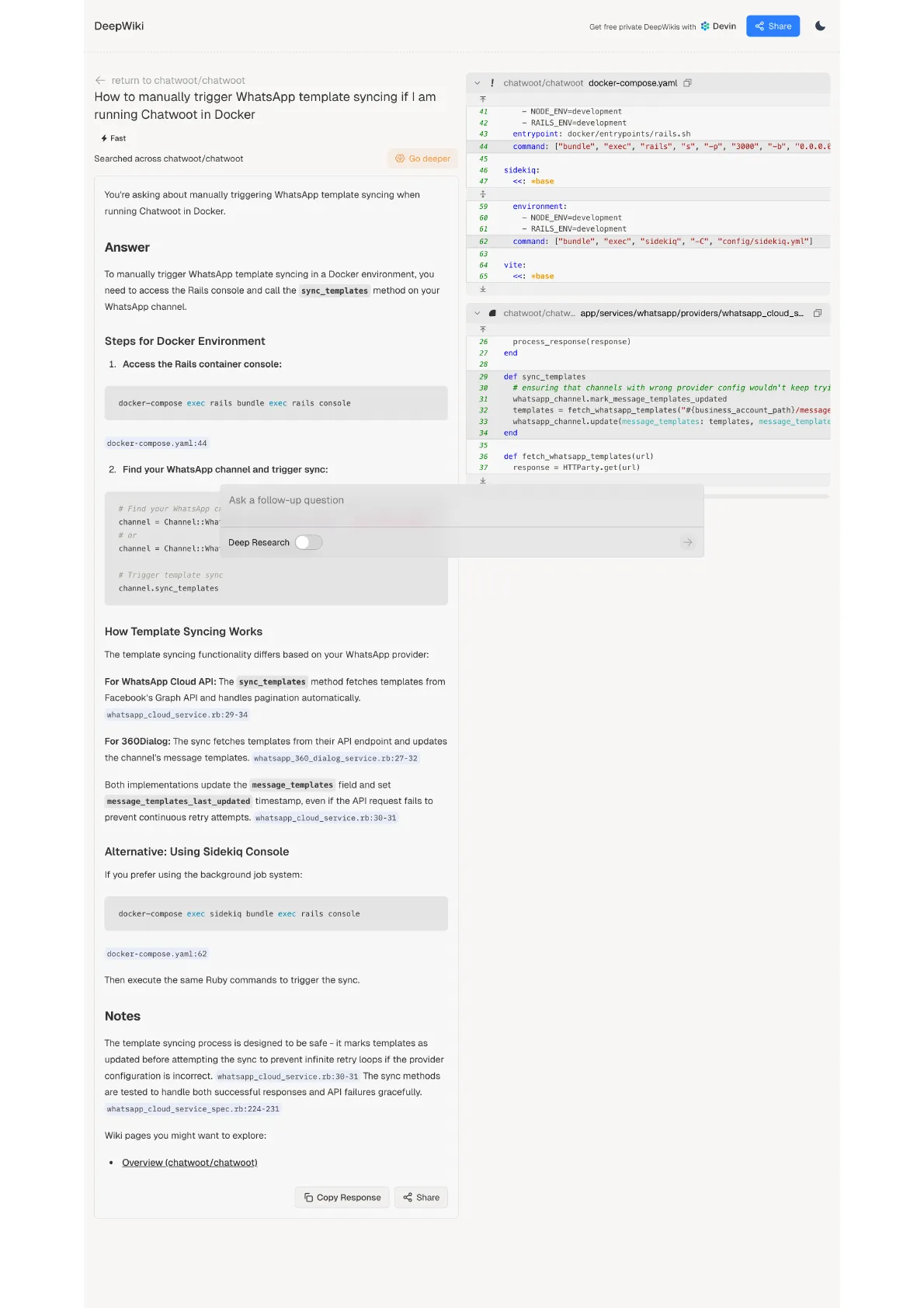
DeepWiki: AI-Generated Docs for Any GitHub Repo
If you're using open-source software, one of the most common problems is outdated or poor documentation.
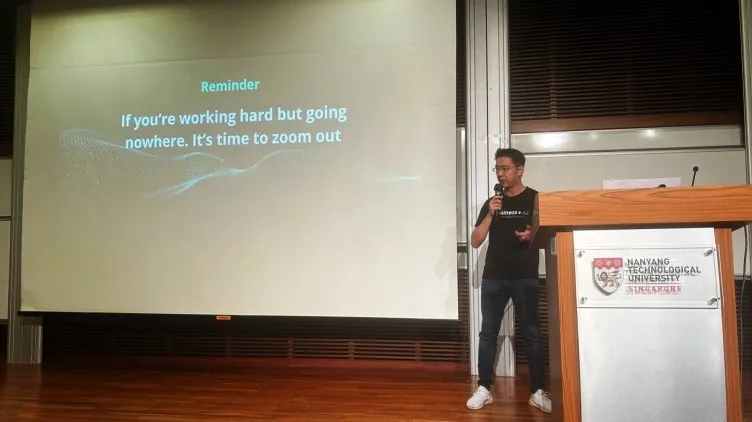
Three Stories of a Technopreneur
I have done many workshops and professional sharing sessions. This was the first time I shared personal stories.
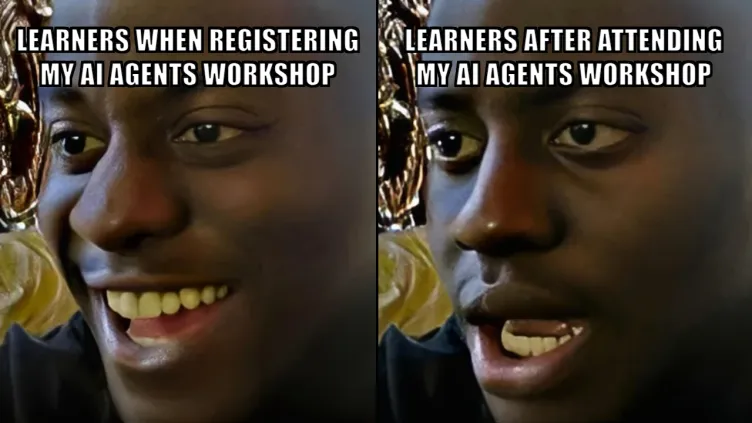
AI Agents are not plug-and-play. 5 ways to add useful skills to your AI agents.
Most of them came thinking AI agents are plug-and-play. Set it up, and it becomes extremely helpful immediately.
AI Is an Amplifier, Not an Equalizer
Thanks Agus Hocky and Institut Bisnis dan Teknologi Pelita Indonesia for the invitation, and Hendri Zhang 张维前 for connecting.
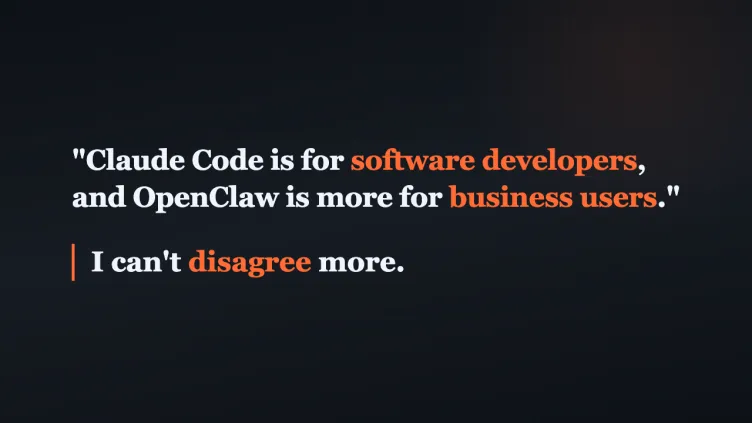
Claude Code is for software developers, and OpenClaw is more for business users.
A learner said this to another learner during a recent workshop. I think this is the most common and most dangerous misconception about these two tools.
Joining an AI Strategy Panel at NTU EEE Alumni Event
Whether you’re deep in engineering, building your start-up, crafting user experiences, or leading teams – AI is reshaping all our paths right now.
AI Agents are not plug-and-play. 5 ways to add useful skills to your AI agents.
Most of them came thinking AI agents are plug-and-play. Set it up, and it becomes extremely helpful immediately.
Claude Code is for software developers, and OpenClaw is more for business users.
A learner said this to another learner during a recent workshop. I think this is the most common and most dangerous misconception about these two tools.
DeepWiki: AI-Generated Docs for Any GitHub Repo
If you're using open-source software, one of the most common problems is outdated or poor documentation.
Three Stories of a Technopreneur
I have done many workshops and professional sharing sessions. This was the first time I shared personal stories.
AI Is an Amplifier, Not an Equalizer
Thanks Agus Hocky and Institut Bisnis dan Teknologi Pelita Indonesia for the invitation, and Hendri Zhang 张维前 for connecting.