Why Some Startups and SMEs Fail to Scale
That's the question I wanted to find out after selling my startup to Hashmeta Group.

Why do some startups and SMEs get stuck at being small and fail to scale?
That’s the question I wanted to find out after selling my startup to Hashmeta Group.
When recruiter from Deloitte Consulting approached me, I jumped at the opportunity. I believe it will give me opportunities to interact with big enterprise, to understand how they get there.
My 1.5-year stint at Deloitte proved to be a transformative experience for me. It taught me a lot of things. One of the most important was strategic thinking.
Very often, SMEs and startups struggle to scale because they focus on tactics without strategy.
Think of strategy as the map and tactics as the route you take to reach the destination. Without strategy, tactics may lack focus. Without tactics, strategy remains unexecuted.
Tactics without strategy is like driving randomly to find your destination without a navigation map.
Steve Jobs once described a key aspect of intelligence as the ability to “zoom out” and “zoom in”. He explained that this involves seeing the bigger picture like looking at a city from a high vantage point, while also being able to focus on the details and make connections that others might miss.
What he described, is clearly someone who could “zoom out” to craft the strategy, and “zoom in” to execute with details.
Here’s an explanation of strategy, tactics, and how they relate to each other.
What is Strategy?
Strategy is the high-level plan that defines what you want to achieve and why.
It focuses on long-term goals and the overall direction. Strategy answers the questions:
- “Where are we going?”
- “What is our objective?”
- “Why is this the right approach?”
Example: “Become the market leader in sustainable packaging within 3 years.”
What are Tactics?
Tactics are the specific actions or steps that support the strategy. They define how you will achieve the strategic goal.
Tactics are short-term, practical, and execution-focused. Tactics answer the questions:
- “How do we get there?”
- “What do we need to do now?”
- “What actions will move us forward?”
Example: “Launch a PR campaign highlighting our eco-friendly materials in Q3.”
The Relationship Between Strategy and Tactics
Strategy and tactics are closely linked, but they operate at different levels:
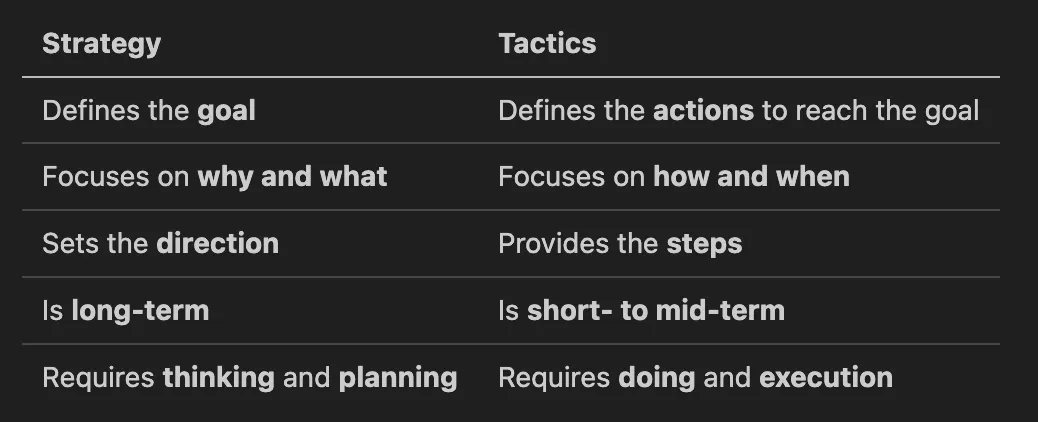
Below are 6 clear examples of this issue, followed by 7 guiding questions to help shift from tactic-driven to strategy-led execution.
🔍 6 Examples: Tactics Without Strategy
1. Posting daily on social media without a clear goal
- Tactic: Posting reels, stories, and memes every day.
- Lack of strategy: No clarity on audience targeting, brand positioning, or conversion goals.
- Result: High activity, low impact.
2. Running ads without a customer acquisition strategy
- Tactic: Boosting Facebook or Google ads.
- Lack of strategy: No defined funnel, customer persona, or ROI benchmarks.
- Result: Wasted budget, poor lead quality, low retention.
3. Building new features based on customer requests
- Tactic: Rapidly coding and launching features based on isolated feedback.
- Lack of strategy: No product vision, market positioning, or prioritization framework.
- Result: Feature bloat, confused product identity.
4. Attending every networking or trade event
- Tactic: Showing up at expos, meetups, and talks.
- Lack of strategy: No plan for lead follow-up, targeting ideal customers, or tracking ROI.
- Result: Time-consuming activities with no measurable business growth.
5. Hiring based on urgent needs
- Tactic: Quickly hiring freelancers or junior staff to plug immediate gaps.
- Lack of strategy: No org structure planning, cultural fit assessment, or talent roadmap.
- Result: Team misalignment and scaling inefficiencies.
6. Writing SEO articles daily without topic cluster
- Tactic: Publishing numerous articles targeting individual keywords.
- Lack of strategy: No interconnected content strategy, keyword cannibalization, or clear authority building.
- Result: Disorganized content, diluted SEO power, limited long-term traffic growth.
Despite its importance, many businesses struggle in defining their strategy. Because it requires asking deep questions and giving honest answers.
🧭 7 Strategic Questions to Ask Yourself
- What is your competitive edge?
- Who is your ideal customer?
- Why would they buy from you?
- What are the key problems you’re solving that justify your existence?
- What metrics actually matter for your growth?
- Where do you want to play, and why?
- Do your current efforts ladder up to a clear strategic roadmap?
Want to Master Strategy-Led Growth?
If you found this guide helpful, here are three ways to deepen your understanding and drive real results:
🔔 Follow me for more insights: Get regular updates on strategic thinking and business growth.
♻️ Re-post to help others: Share this guide with fellow entrepreneurs and leaders who might benefit.
🔖 Save this for future reference: Keep these strategic questions handy for your next planning session.
#Strategy #Tactics #BusinessGrowth #StartupTips #SME #StrategicPlanning #Execution #Leadership #BusinessStrategy #Entrepreneurship #GrowthHacking #MarketingStrategy #ProductManagement #SalesStrategy #OrganizationalDevelopment
Enjoyed this? Subscribe for more.
Practical insights on AI, growth, and independent learning. No spam.
More in Tech & Startup

How to Keep Up with AI Changes in Your Business
Someone asked me this question recently.
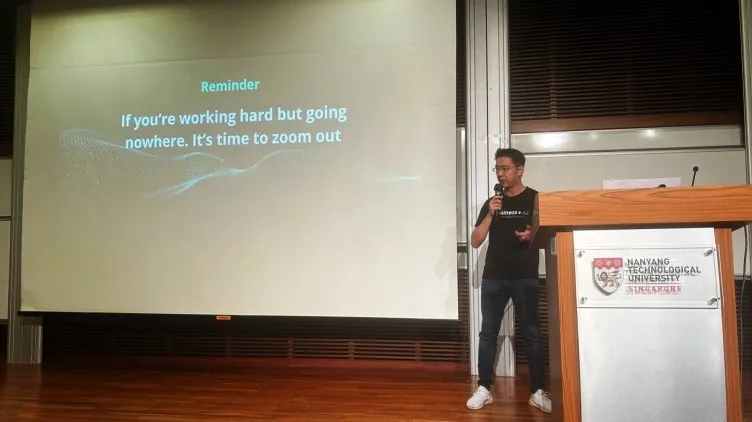
Three Stories of a Technopreneur
I have done many workshops and professional sharing sessions. This was the first time I shared personal stories.
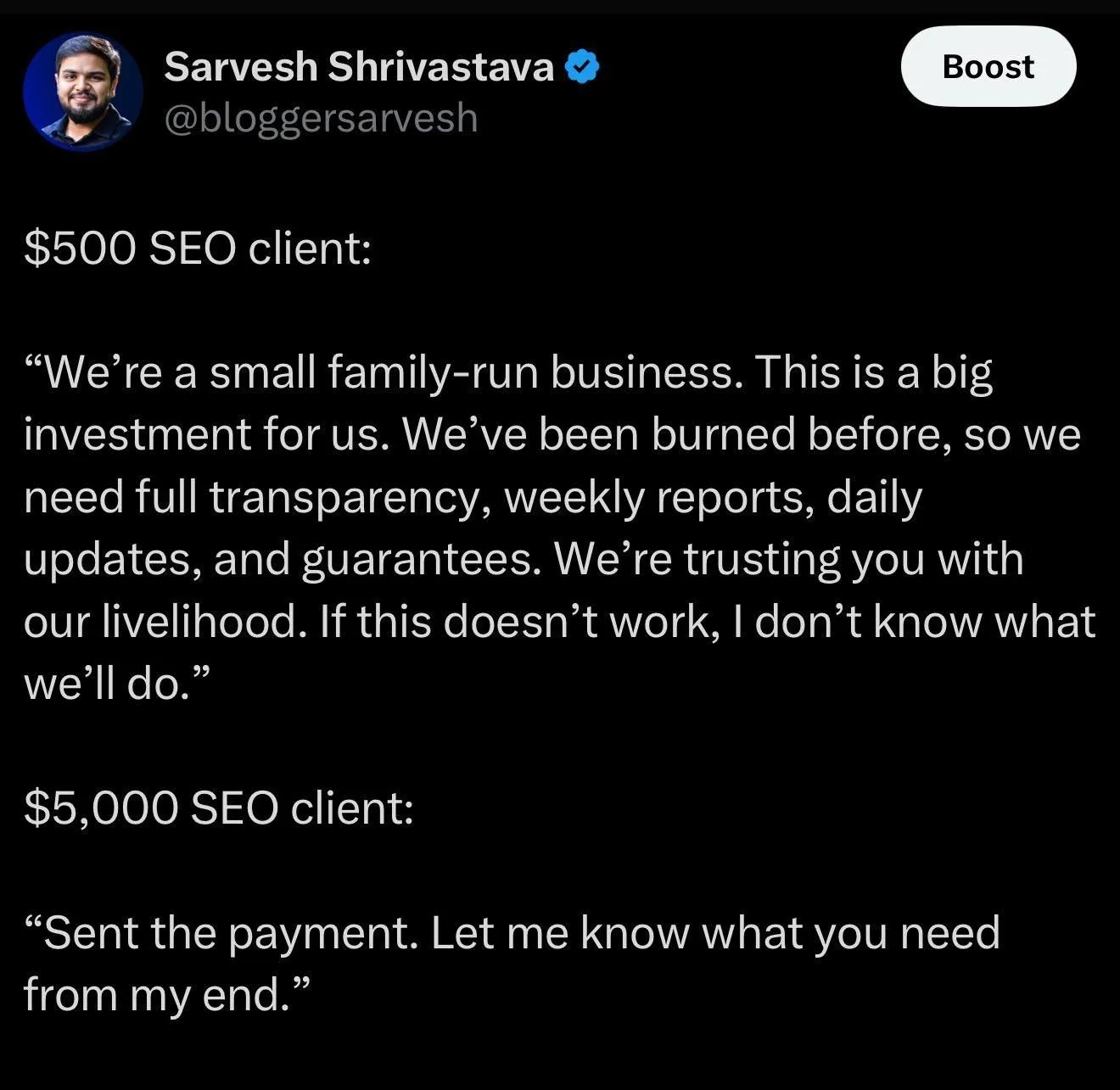
💡 This one resonates.
A $500 client demands everything.
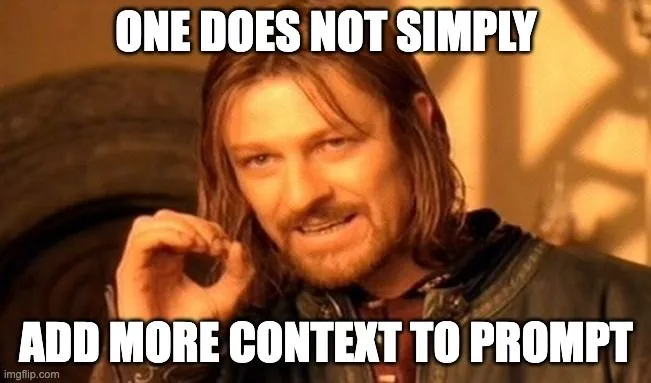
Sharing one of my favorite prompting techniques that I don't see many talk about.
Ever spent more time crafting a perfect prompt than doing the actual task?
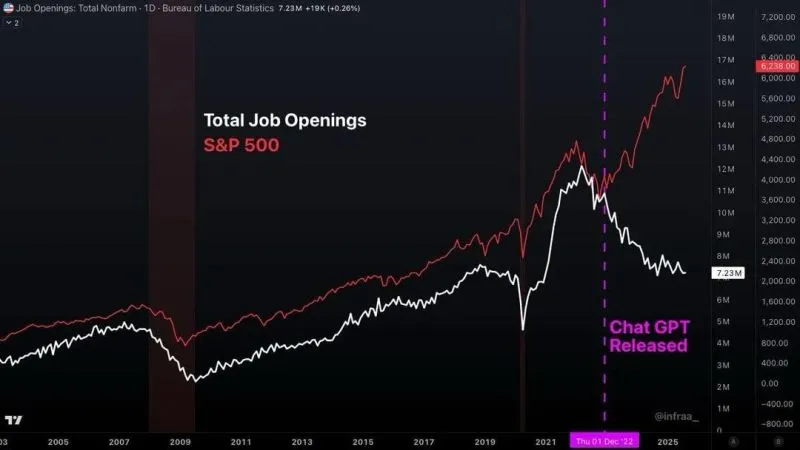
I’ve seen several people sharing this chart recently.
Interestingly, they seem to have very contrasting views.
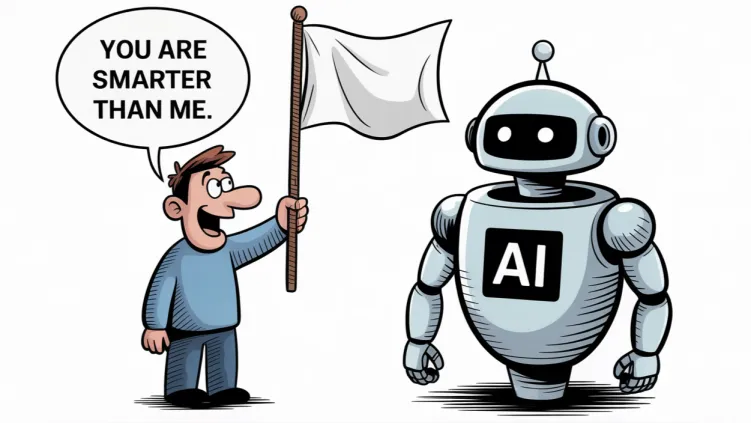
I finally concede that AI is smarter than me.
For 2 years, I held onto reasons like “AI can't solve my kid's homework” or “It can't play tic-tac-toe” to believe I was still smarter.
How to Keep Up with AI Changes in Your Business
Someone asked me this question recently.
Sharing one of my favorite prompting techniques that I don't see many talk about.
Ever spent more time crafting a perfect prompt than doing the actual task?
I finally concede that AI is smarter than me.
For 2 years, I held onto reasons like “AI can't solve my kid's homework” or “It can't play tic-tac-toe” to believe I was still smarter.
Three Stories of a Technopreneur
I have done many workshops and professional sharing sessions. This was the first time I shared personal stories.
💡 This one resonates.
A $500 client demands everything.
I’ve seen several people sharing this chart recently.
Interestingly, they seem to have very contrasting views.