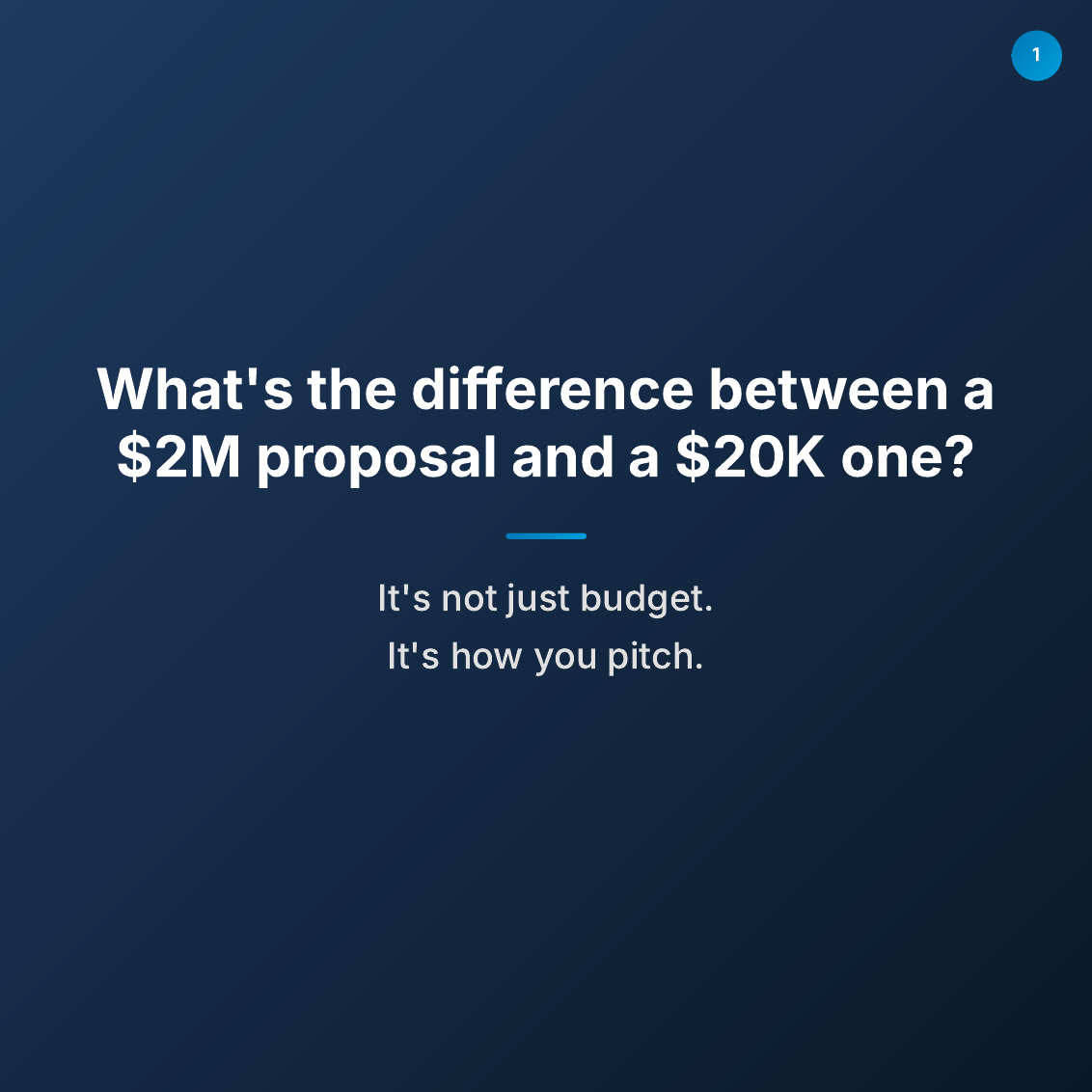
What is the difference between a proposal that can win $2m vs $20k deal?
$2M Proposal: Focuses on strategy. The "why" we should do this and the high level approach.
Tap a slide to expand
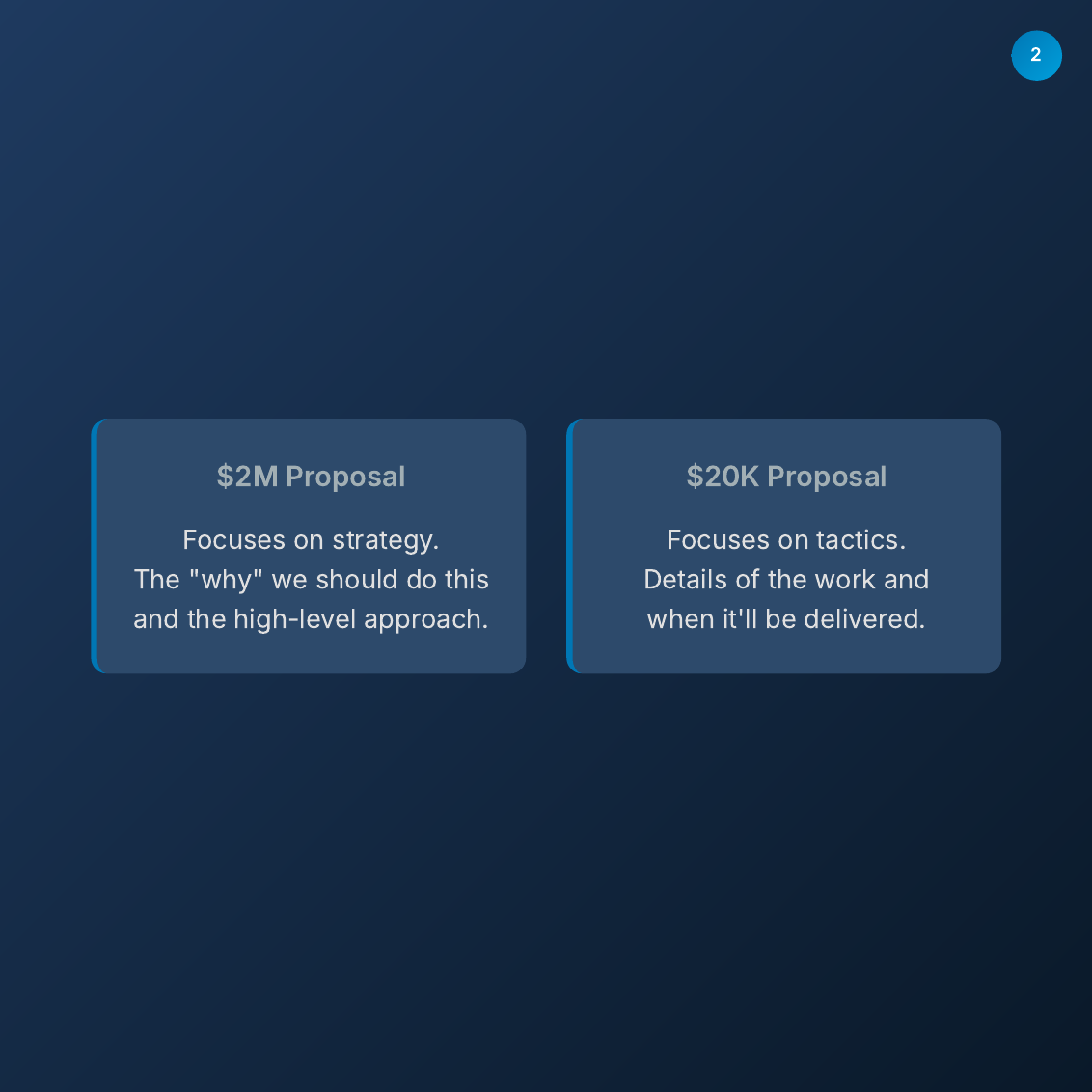
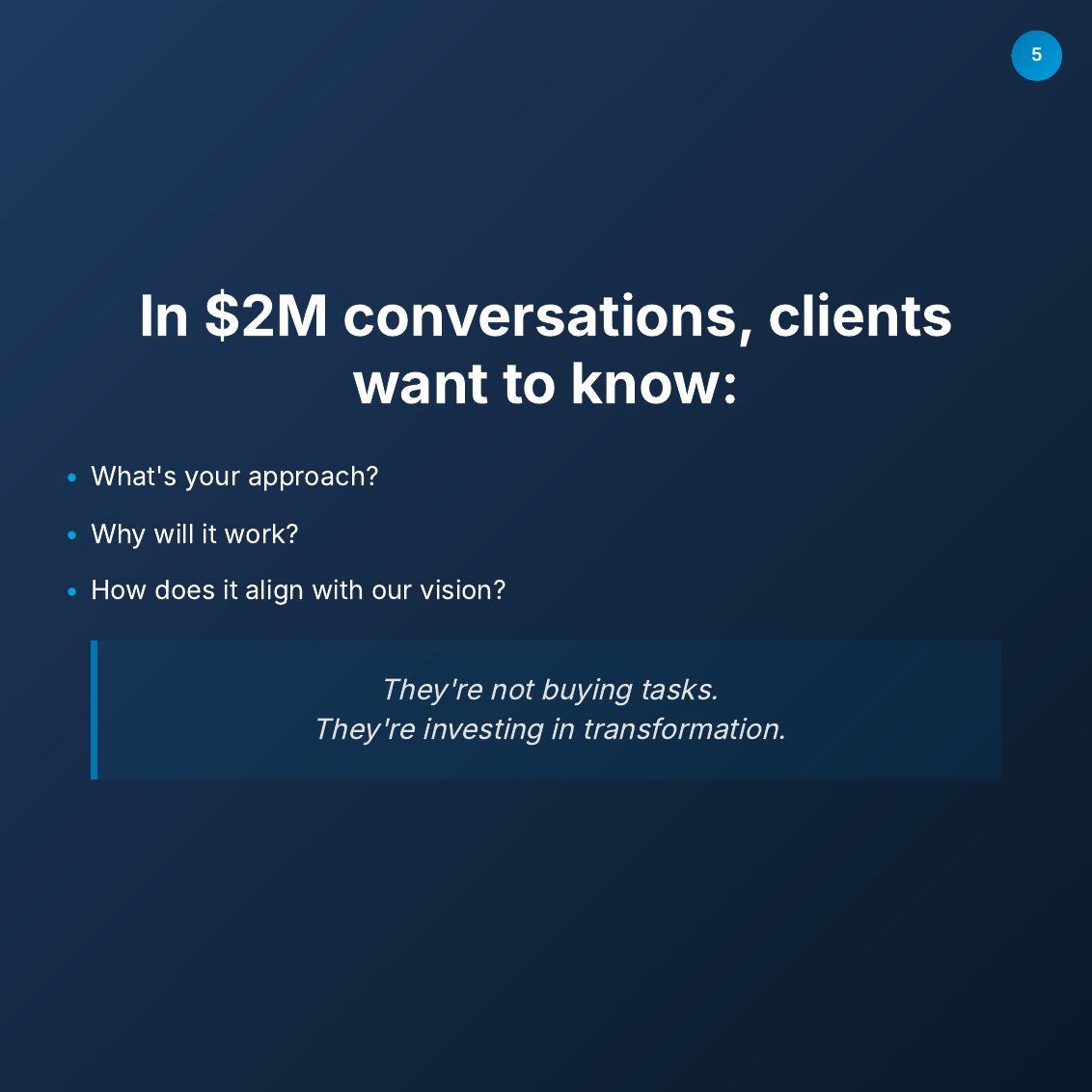
$2M Proposal: Focuses on strategy. The “why” we should do this and the high level approach.
$20k Proposal: Focuses on tactic. The details of what are the works, and when we will do it.
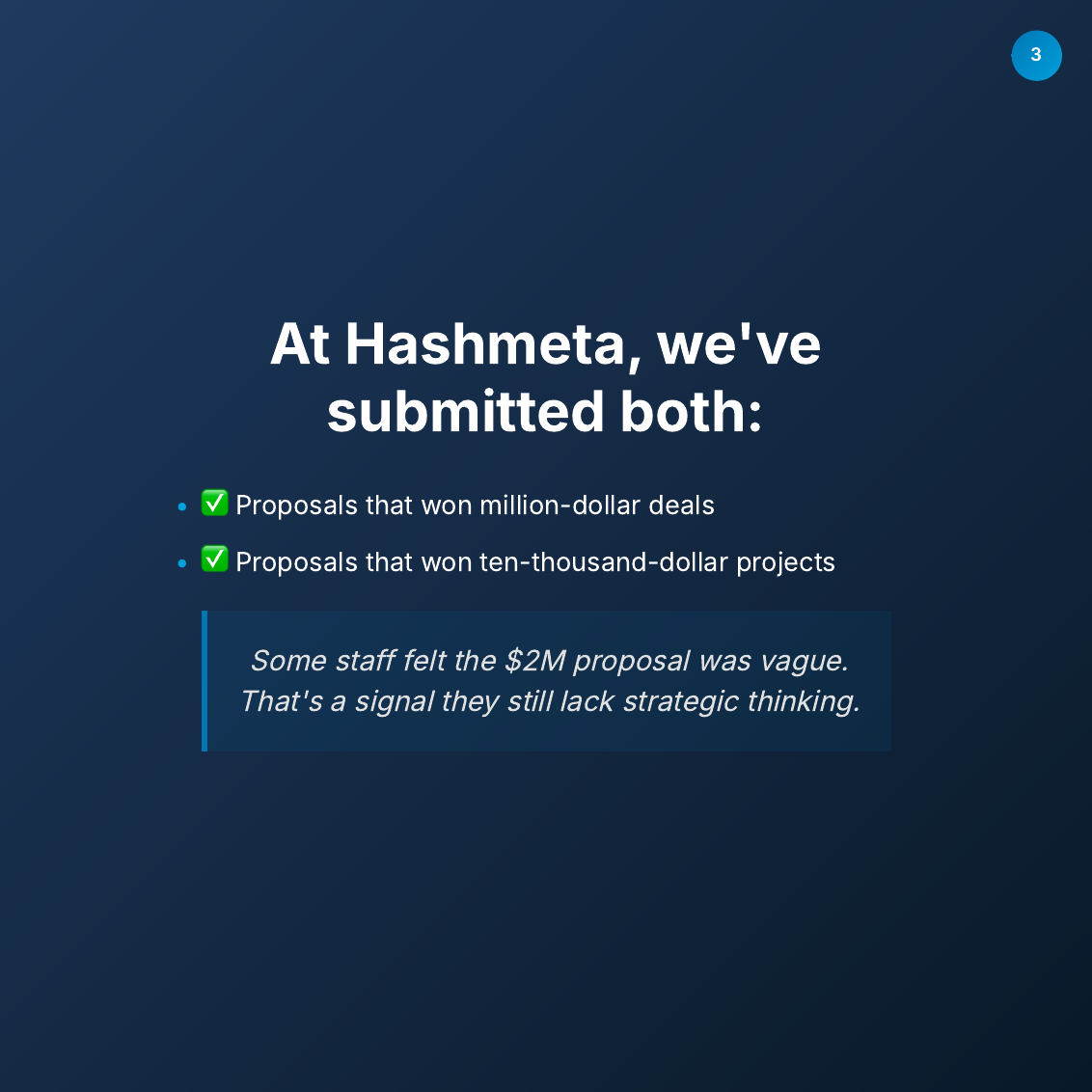
At Hashmeta Group, we had proposal that won $2M deals, and proposal that won $20k deals.
A few of our employees thought the $2M proposal was vague.
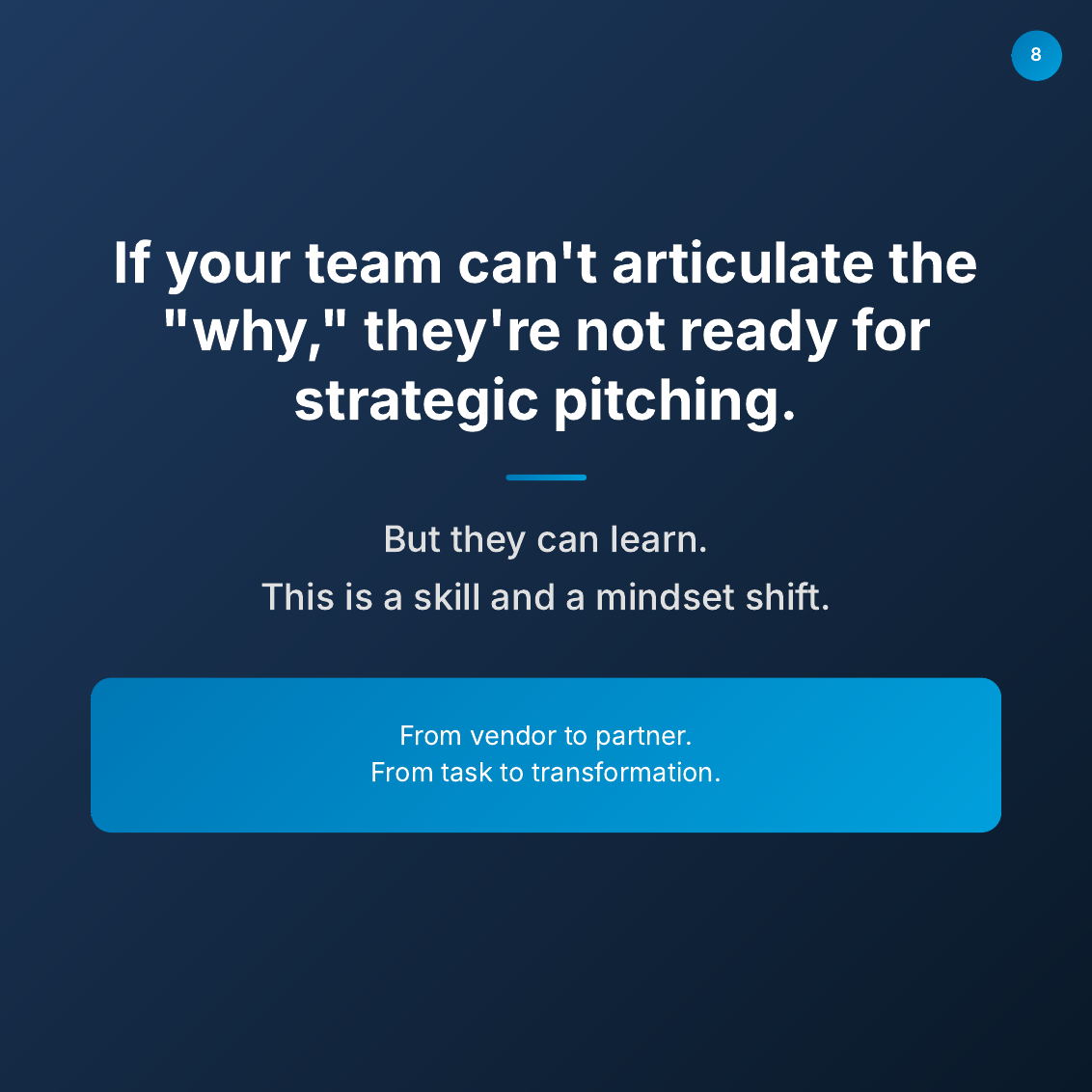
That is a clear sign that they are not ready for strategic pitching.
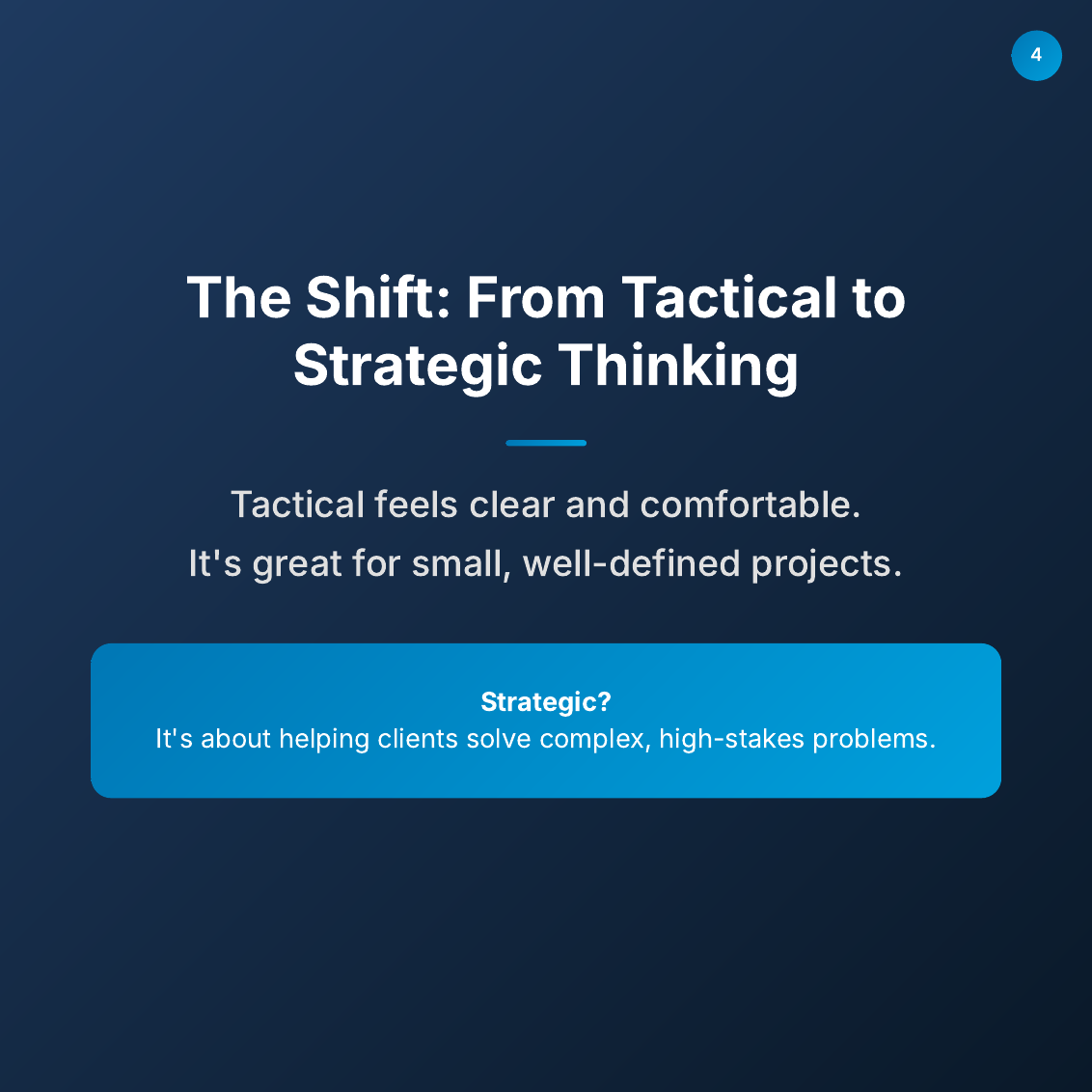
𝗧𝗵𝗲 𝗦𝗵𝗶𝗳𝘁 𝗳𝗿𝗼𝗺 𝗧𝗮𝗰𝘁𝗶𝗰𝗮𝗹 𝘁𝗼 𝗦𝘁𝗿𝗮𝘁𝗲𝗴𝗶𝗰 𝗧𝗵𝗶𝗻𝗸𝗶𝗻𝗴
For many, especially those newer to client-facing roles, the comfort of a detailed, tactical proposal is understandable. It feels tangible, clear, and actionable. You outline what will be done, how it will be done, and when. This is perfect for smaller, project-based work where the scope is well-defined.
However, when you’re aiming for multi-million dollar deals, the conversation shifts dramatically. Here, clients aren’t just buying services; they’re investing in your expertise to their biggest challenges. They want to know what is your approach, why your approach will work, how your approach will guide your execution, and how it aligns with their long-term vision. They are interested in high level approach, not details of execution.
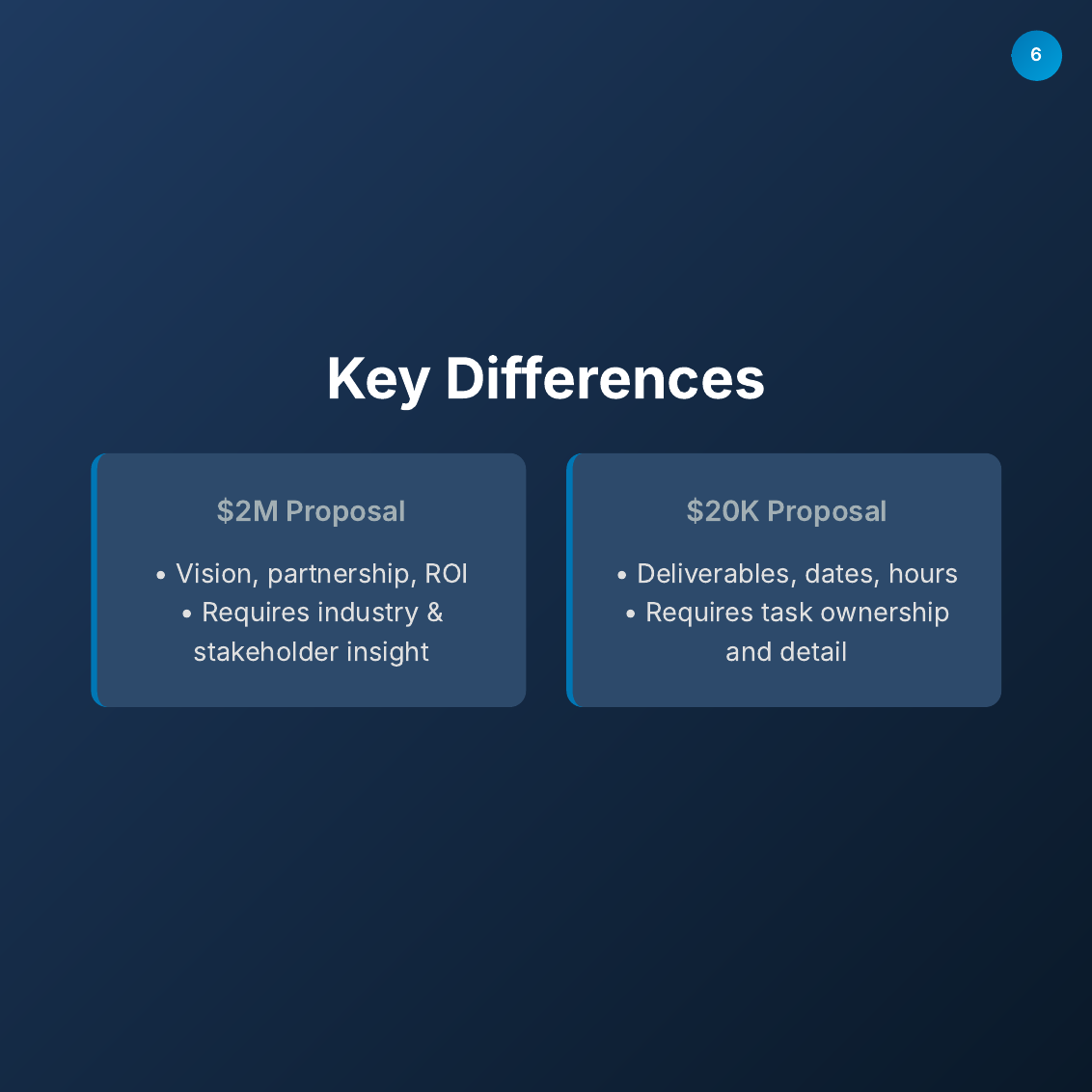
𝗞𝗲𝘆 𝗗𝗶𝗳𝗳𝗲𝗿𝗲𝗻𝗰𝗲𝘀:
$2M Proposal: Focuses on strategy, the “why” we should do this, and the high-level approach. It’s about vision, partnership, and quantifiable ROI at a higher level. It requires understanding the client’s industry, market dynamics, and internal politics.
$20K Proposal: Focuses on tactics, outlining the details of what works will be done, and when. It’s about execution, efficiency, and meeting project requirements. It requires strong project management and technical expertise.
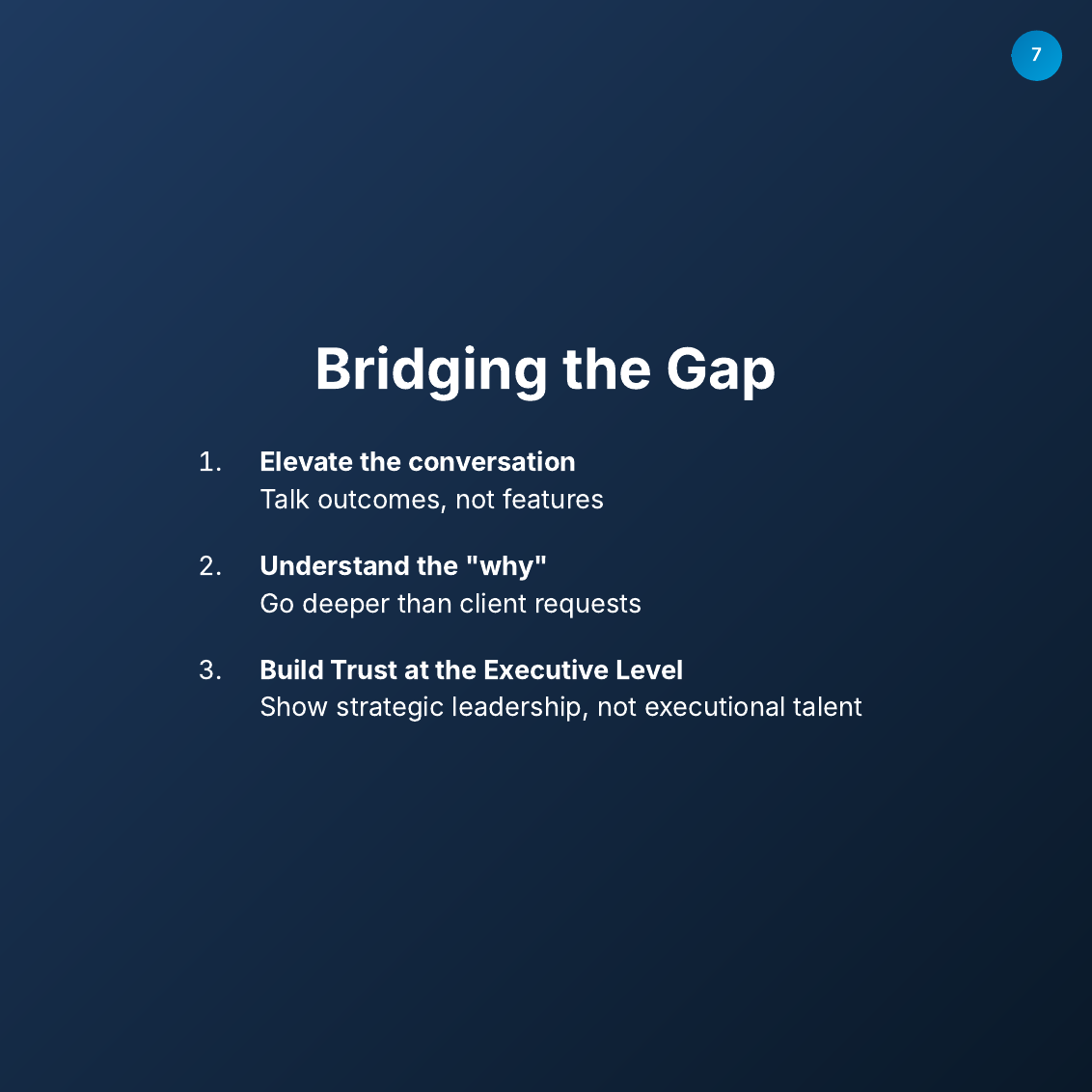
𝗕𝗿𝗶𝗱𝗴𝗶𝗻𝗴 𝘁𝗵𝗲 𝗚𝗮𝗽:
The challenge for many is making the leap from tactical expertise to strategic influence. It’s about:
𝗘𝗹𝗲𝘃𝗮𝘁𝗶𝗻𝗴 𝘁𝗵𝗲 𝗖𝗼𝗻𝘃𝗲𝗿𝘀𝗮𝘁𝗶𝗼𝗻: Moving beyond features and functions to discuss impact and value.
𝗨𝗻𝗱𝗲𝗿𝘀𝘁𝗮𝗻𝗱𝗶𝗻𝗴 𝘁𝗵𝗲 ”𝗪𝗵𝘆”: Deeply understanding the client’s core problems and aspirations, not just their stated needs.
𝗕𝘂𝗶𝗹𝗱𝗶𝗻𝗴 𝗧𝗿𝘂𝘀𝘁 𝗮𝘁 𝘁𝗵𝗲 𝗘𝘅𝗲𝗰𝘂𝘁𝗶𝘃𝗲 𝗟𝗲𝘃𝗲𝗹: Demonstrating thought leadership and a shared strategic outlook.
If your team is struggling to articulate the “why,” it’s an opportunity for growth. Strategic pitching isn’t just a skill; it’s a mindset shift. It’s about becoming a true business partner, not just a vendor.
I am sharing more strategic sales frameworks and templates.
🔔 Follow me for more sales strategy insights!
♻️ Re-post this to help your team level up!
🔖 Save this for your next big proposal!
#StrategicSales #BusinessDevelopment #ProposalWriting #SalesStrategy #ClientRelations
Enjoyed this? Subscribe for more.
Practical insights on AI, growth, and independent learning. No spam.
More in AI Strategy
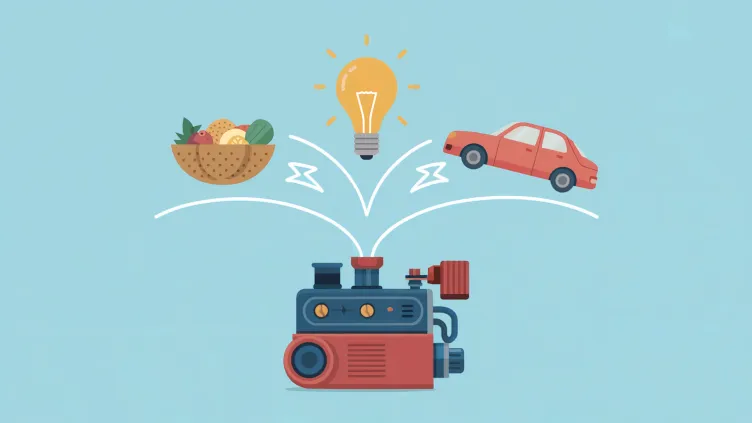
Forget Pain Points: Think Convenience
This advice from Ev Williams, co-founder of Blogger, Twitter and Medium should serve as a signpost.

How to Keep Up with AI Changes in Your Business
Someone asked me this question recently.
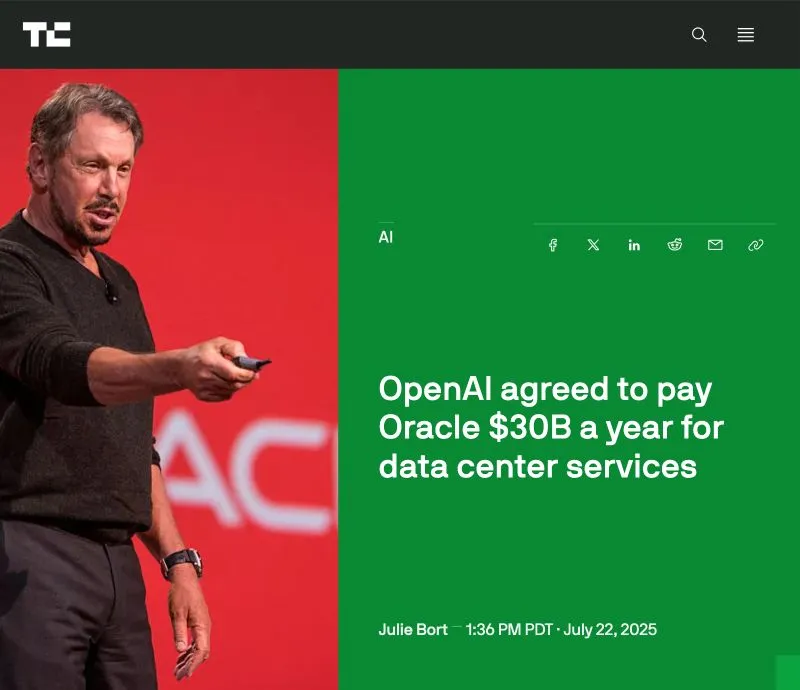
The Circular Money Loop Behind OpenAI’s Funding
It goes one round. Oracle buys GPUs from Nvidia, and Nvidia invests in OpenAI. 😂
10 Ways to Reduce the Risk of Running OpenClaw (or Any AI Agent)
The safe answer comes from Peter Steinberger, OpenClaw's creator himself. He said OpenClaw is designed as a personal assistant - one user to one or many agen...
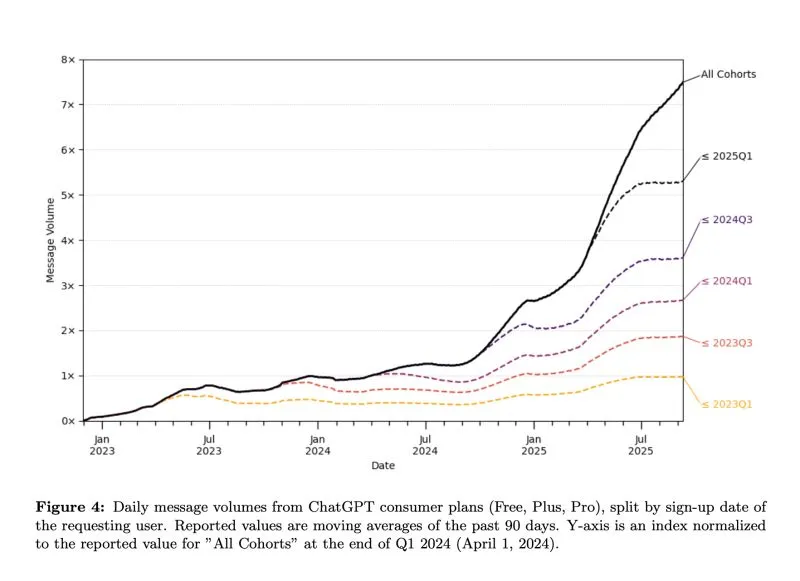
If you're still thinking GenAI is just for techies, think again.
A new paper from ChatGPT, based on usage trends from over 18 billion weekly messages, shows how it's becoming indispensable for everyday problem-solving, fro...
Does AI have empathy? I asked Claude a simple product question.
The answer surprised me.
Forget Pain Points: Think Convenience
This advice from Ev Williams, co-founder of Blogger, Twitter and Medium should serve as a signpost.
The Circular Money Loop Behind OpenAI’s Funding
It goes one round. Oracle buys GPUs from Nvidia, and Nvidia invests in OpenAI. 😂
If you're still thinking GenAI is just for techies, think again.
A new paper from ChatGPT, based on usage trends from over 18 billion weekly messages, shows how it's becoming indispensable for everyday problem-solving, fro...
How to Keep Up with AI Changes in Your Business
Someone asked me this question recently.
10 Ways to Reduce the Risk of Running OpenClaw (or Any AI Agent)
The safe answer comes from Peter Steinberger, OpenClaw's creator himself. He said OpenClaw is designed as a personal assistant - one user to one or many agen...
Does AI have empathy? I asked Claude a simple product question.
The answer surprised me.